Game Systems & Mechanics
Warhammer 40,000: Darktide is a complex and challenging cooperative first-person shooter that relies on a deep understanding of its core game systems and mechanics. From combat intricacies to character progression, mastering these elements is key to surviving the relentless onslaught of heresy and serving the Emperor effectively.
The Emperor's work in Tertium is brutal and unforgiving. To succeed, you must not only wield your weapons with skill but also understand the underlying systems that govern combat, progression, and survival. This section will break down the essential game mechanics that every agent of the Inquisition needs to know.
Core Combat Mechanics
- Melee Combat: Features light and heavy attacks, blocking, dodging, and special abilities. Mastering combos and timing is crucial for close-quarters engagements. Stamina management is key.
- Ranged Combat: uses several firearms with different firing modes, recoil patterns, and ammo capacities. Aiming for weak points is essential for efficient kills.
- Stamina: A crucial resource for melee combat, used for attacking, blocking, and dodging. It regenerates over time but can be depleted quickly.
- Health and Toughness: Your primary survivability stats. Toughness acts as a regenerating shield that absorbs damage before your health is affected. Certain attacks can bypass Toughness.
- Hordes and Specialists: Enemies come in waves (hordes) and as dangerous individual units (Specialists). Prioritizing Specialists is vital.
- Crowd Control (CC): Abilities and attacks that can stagger, stun, or slow down enemies, allowing you to manage large groups or create openings.
- Blessings and Perks: Enhancements found on weapons and gear that provide passive bonuses or active effects, sificantly impacting combat effectiveness.
Character Progression and Loadouts
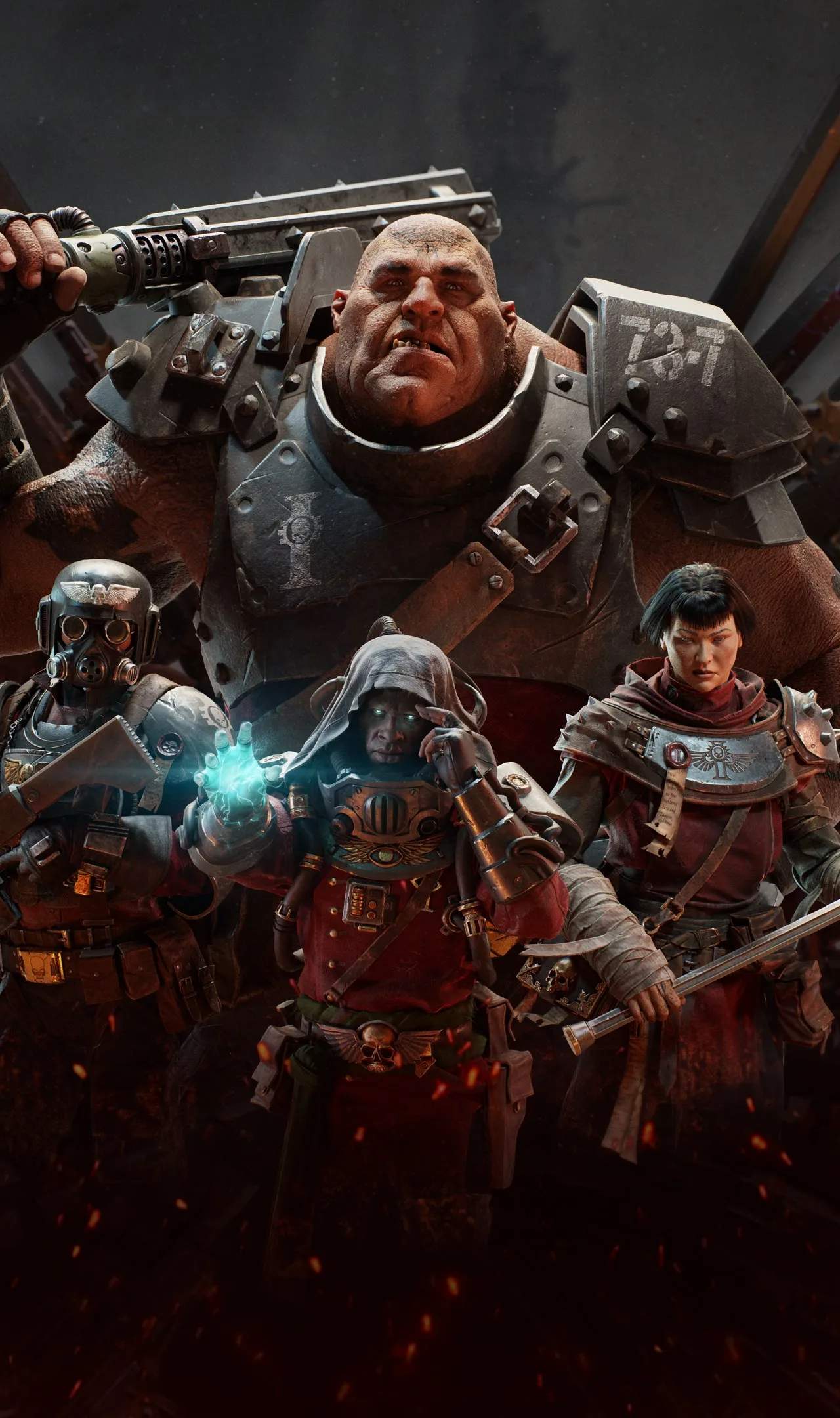
- Classes: Four distinct classes (Veteran, Zealot, Psyker, Ogryn) each with unique abilities, playstyles, and progression paths.
- Talent Trees: As you level up, you unlock points to invest in talent trees, which provide passive bonuses and active abilities that further customize your character's role.
- Gear and Weapons: A wide array of weapons and gear with varying stats, rarities, and randomized perks and blessings. Acquiring and upgrading gear is central to power growth.
- Crafting and Rerolling: Systems that allow you to modify your gear, reroll perks, and apply new blessings to optimize your loadout.
- Aquilas and Ordo Dockets: In-game currencies used for purchasing gear, upgrades, and cosmetics.
Mission Structure and Objectives
- Mission Types: Various mission objectives, including data retrieval, assassination, defense, and sabotage.
- Difficulty Levels: Missions can be played on escalating difficulty levels, offering greater challenges and rewards.
- Secondary Objectives: Optional tasks within missions that provide bonus rewards upon completion.
- Extraction: The final phase of most missions where you must reach a desated point to escape.
Other Key Mechanics
- Corruption: A debuff that can afflict players, reducing their maximum health and potentially causing negative status effects.
- Status Effects: Various afflictions like burning, shock, or poison that can affect both players and enemies.
- Ping System: A vital communication tool for marking enemies, objectives, and points of interest.
- The Mourningstar: Your central hub for vendors, customization, and social interaction.
A thorough understanding of these systems will not only improve your individual performance but also your ability to contribute effectively to your squad's success. The Emperor protects, but he also rewards those who are prepared.