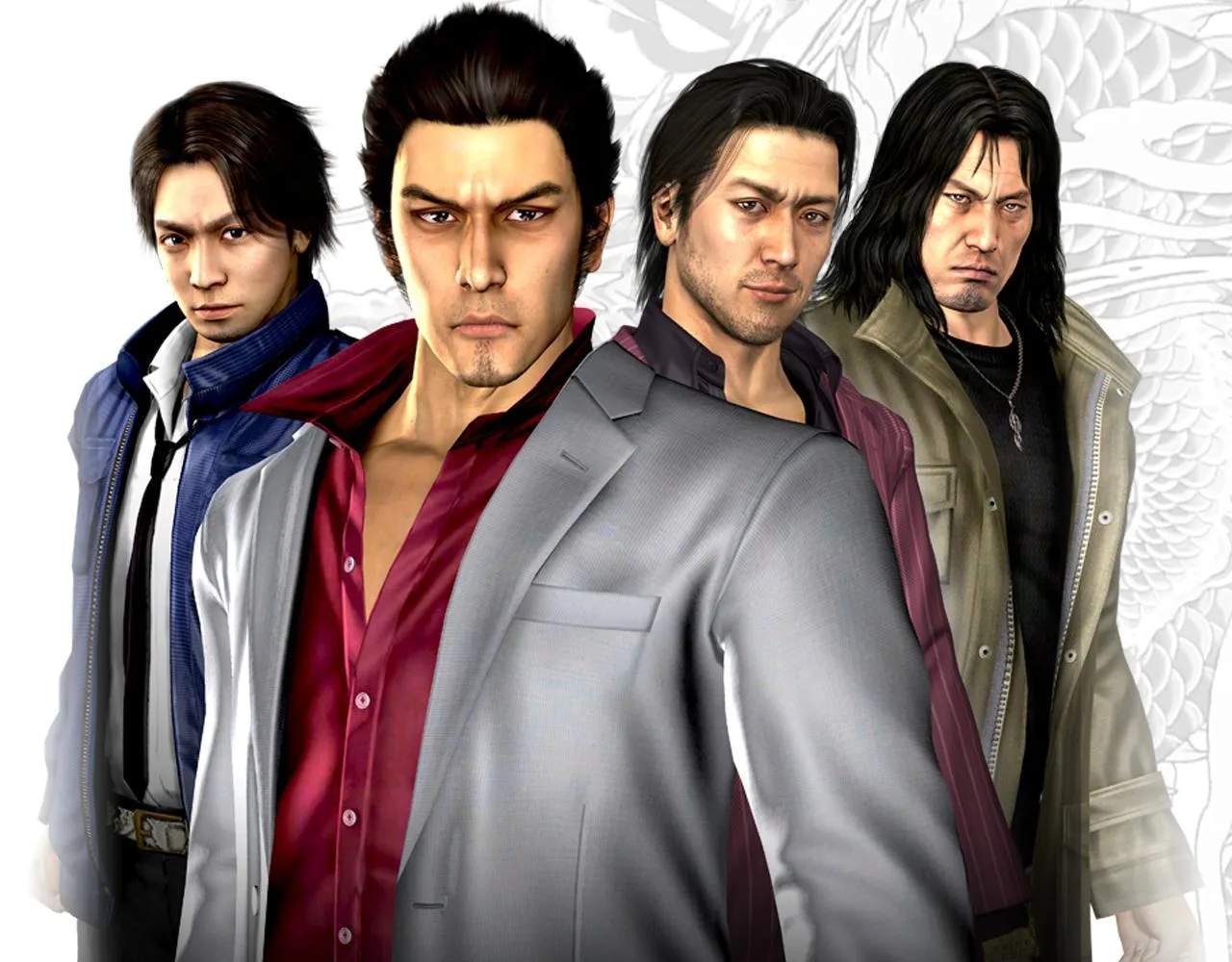
Version Differences (PS3 vs. PS4 Remastered)
While the core gameplay and narrative of Yakuza 4 remain largely identical across both the original PlayStation 3 release and the PlayStation 4 Remastered version, there are several key distinctions that be aware of. These differences range from visual enhancements to content alterations and quality-of-life improvements. Understanding these changes can help both new players and returning veterans optimize their experience.
Visual and Performance Enhancements
- Resolution: The most immediate and noticeable upgrade in the PS4 Remastered version is the jump in resolution. The original PS3 release ran at a native 720p, often with dips in performance. The PS4 Remaster delivers a crisp 1080p resolution, making Kamurocho and its inhabitants significantly sharper and more detailed.
- Framerate: The PS3 version targeted 30 frames per second (FPS), which could fluctuate in busy areas or during intense combat. The PS4 Remaster achieves a much more stable 60 FPS, offering a smoother and more responsive gameplay experience. This is particularly beneficial during combat sequences, allowing for more precise inputs and a better sense of flow.
- Texture Quality: While not a complete overhaul, many textures have been upscaled or subtly improved in the Remaster. This is most apparent on character models, clothing, and environmental details, contributing to a more polished overall look.
- Loading Times: Players will notice significantly reduced loading times on the PS4 Remaster. Transitions between areas, entering and exiting buildings, and starting/ending battles are much quicker, leading to a more seamless gameplay flow.
Content Alterations: Masayoshi Tanimura's Actor
This is arguably the most significant content change between the two versions. Due to a scandal involving the original voice actor and motion capture artist for Masayoshi Tanimura, Hiroki Narimiya, the character was recast and re-recorded for the PS4 Remastered version.
- New Actor: In the PS4 Remaster, Masayoshi Tanimura is voiced and modeled after Toshiki Ayata. This change impacts all of Tanimura's cutscenes, dialogue, and even his character model.
- Impact on Experience:
- Voice Acting: Players familiar with the original PS3 performance will notice a distinct difference in Tanimura's voice and delivery. Both actors deliver strong performances, but they are undeniably different.
- Character Model: Tanimura's facial features and overall appearance have been updated to reflect Toshiki Ayata's likeness. This means his in-game model, as well as his portrait art in menus and dialogue boxes, will be different.
- No Other Character Changes: this change is exclusive to Tanimura. The other three protagonists (Kazuma Kiryu, Shun Akiyama, Taiga Saejima) and all other supporting characters retain their original voice actors and appearances.
- Walkthrough Implications: While the story beats and gameplay mechanics for Tanimura's sections remain identical, players following a guide might notice discrepancies in character appearance or vocal cues if they are using a guide written for the other version. This guide will primarily reference the PS4 Remastered version's portrayal of Tanimura.
Minor Quality-of-Life Improvements
- Controller Layout: While largely similar, some minor button prompts or menu navigation might feel slightly more intuitive on the PS4 controller, leveraging its modern design.
- Trophy List: The PS4 Remaster features a separate trophy list from the PS3 version, allowing players to earn a new Platinum trophy. The trophy requirements themselves are identical.
- No Online Features: Both versions are primarily single-player experiences. Any minor online leaderboards or features present in the PS3 version are typically absent or non-functional in the Remaster, but these were never central to the game.
Which Version to Play?
For most players, especially those new to Yakuza 4, the PS4 Remastered version is the definitive experience. The significant improvements in resolution, framerate, and loading times make for a much more enjoyable and modern gameplay experience. The change in Tanimura's actor is a matter of preference, but it does not detract from the overall quality of the game.
If you are a purist or have a strong nostalgic attachment to the original PS3 version and its portrayal of Tanimura, then the PS3 version might hold some appeal. However, be prepared for the visual and performance limitations inherent to a game of that era.