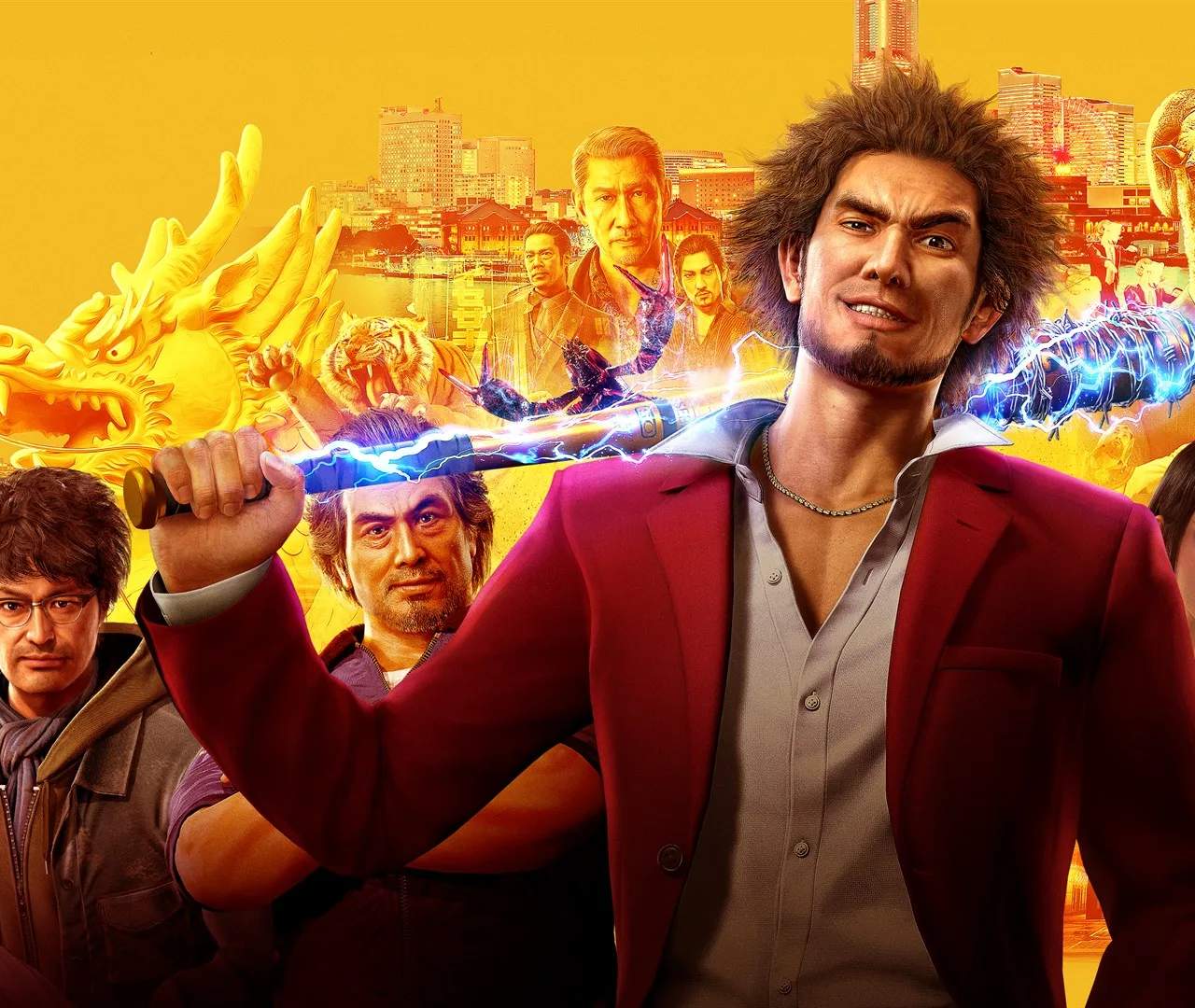
Ending Explained & Theories
Yakuza: Like a Dragon's conclusion offers a satisfying resolution to Ichiban Kasuga's epic journey, but also leaves room for interpretation and speculation about the future. This guide breaks down the ending and explores common theories.
The ending of Yakuza: Like a Dragon provides a powerful culmination of Ichiban Kasuga's quest for justice and redemption. It ties up many of the narrative threads, offering a sense of closure while also hinting at future possibilities. Understanding the nuances of the final events and the characters' fates is key to appreciating the full scope of the story.
The Climax and Resolution
The final chapters of the game see Ichiban and his party confronting the ultimate antagonists, Masumi Arakawa and the forces behind the 'Bleach Japan' conspiracy. The climax involves intense battles and emotional confrontations, where the true motivations and betrayals are revealed.
- Arakawa's Fate: Masumi Arakawa's role in the conspiracy is fully exposed. His motivations, stemming from a complex mix of loyalty, regret, and a twisted sense of duty, are explored. His final moments often involve a confrontation with Ichiban, leading to a definitive resolution.
- The Conspiracy Unraveled: The true extent of the 'Bleach Japan' plot and its connection to powerful political figures is revealed. The party works to expose these corrupt elements and bring them to justice.
- Ichiban's Redemption: Ichiban ultimately achieves his goal of clearing his name and protecting Yokohama. His journey from a discarded yakuza to a hero of the people is solidified.
Post-Credits Scene and Future Implications
The post-credits scene often provides a glimpse into the characters' lives after the main conflict has been resolved. These scenes can offer heartwarming moments of camaraderie and hint at future adventures.
- Party's Future: The scene typically shows Ichiban and his core party members continuing their lives, often still working together in some capacity, perhaps as a new kind of 'hero agency.'
- Lingering Threats: While the main conspiracy is dealt with, the scene might subtly suggest that new challenges or old enemies could resurface, setting the stage for future installments.
- Ichiban's Legacy: The scene reinforces Ichiban's transformation and his impact on Yokohama, solidifying his status as the 'Dragon of Yokohama.'
Common Theories and Interpretations
- The JRPG Metaphor: Many fans interpret the entire game, particularly the combat and Ichiban's internal monologues, as a metaphor for his coping mechanism. His 'imagination' turning reality into a JRPG allows him to process trauma and find strength. The ending solidifies this, showing him embracing his 'heroic' role in the real world.
- Arakawa's True Feelings: While Arakawa is an antagonist, some theories suggest a deeper, albeit twisted, affection for Ichiban, driving some of his actions. His final moments are often interpreted as a complex mix of regret and acceptance.
- The Future of the Yakuza Series: The success of Yakuza: Like a Dragon and its turn-based JRPG mechanics has led to speculation about the future direction of the entire Yakuza franchise. The ending of this game, and the subsequent sequel 'Like a Dragon: Infinite Wealth,' confirms this new direction.
Key Themes Reinforced by the Ending
- Hope and Resilience: Ichiban's journey is a testament to the power of hope and the human spirit's ability to overcome adversity.
- The Meaning of Family: The 'found family' created by Ichiban and his companions is central to the story's resolution, emphasizing that true bonds can be forged anywhere.
- Justice Prevails: Despite the corruption and betrayal, the ending affirms that justice, in its own way, can be achieved through perseverance and collective effort.
The ending of Yakuza: Like a Dragon is a powerful and emotional conclusion that celebrates the characters' growth and reinforces the game's core messages of hope and redemption.