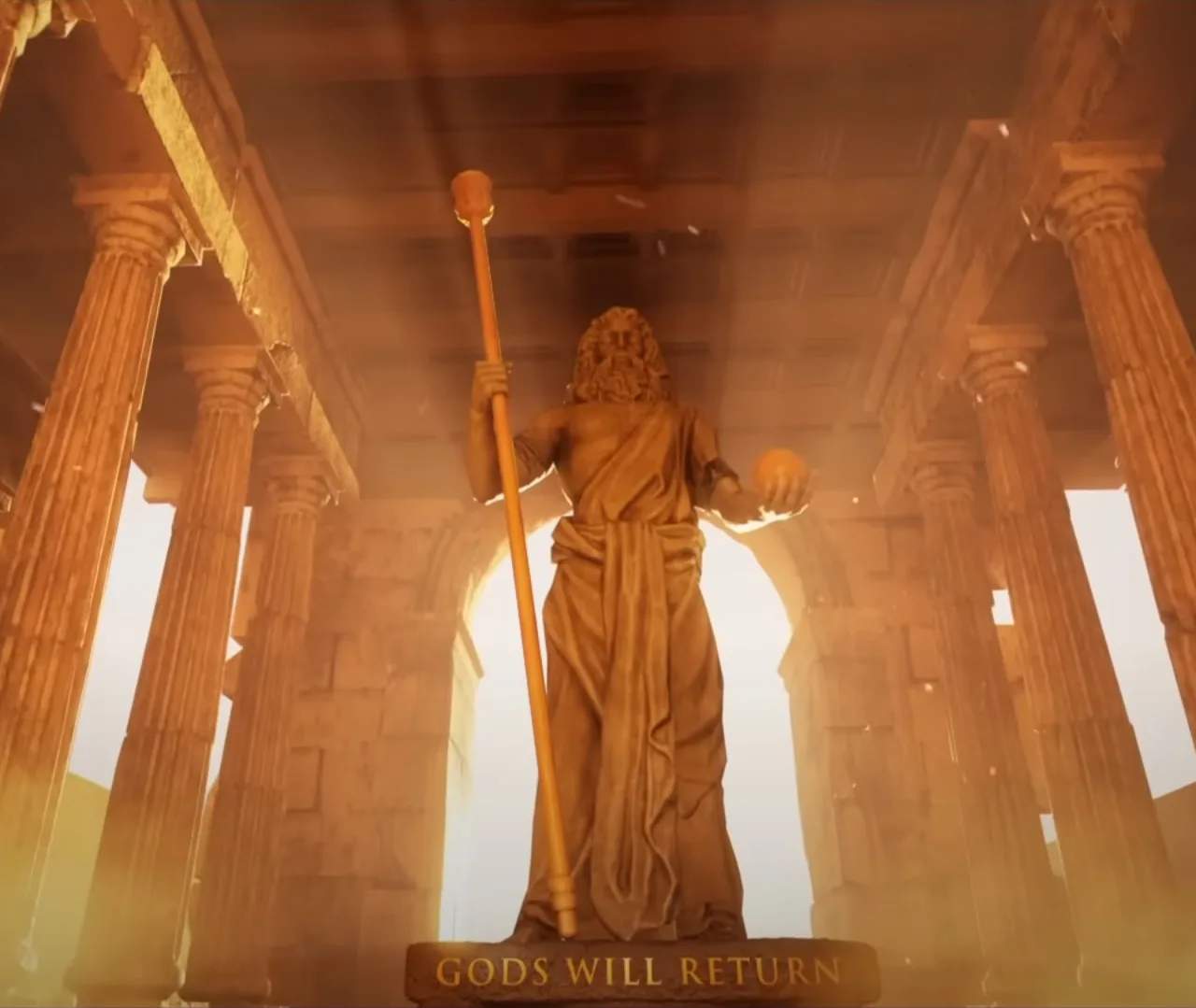
Campaign Difficulty Scaling
Age of Mythology: Retold introduces a dynamic difficulty scaling system for its campaign, offering a more tailored experience for both new players and seasoned veterans. This system adjusts enemy unit composition, resource generation, and even AI aggression based on your chosen difficulty and in-game performance. Understanding how to manipulate and leverage this scaling is key to mastering the campaign.
Understanding Difficulty Tiers
Before diving into specific strategies, it's crucial to grasp the core difficulty tiers available at the start of each campaign mission:
- Easy: Recommended for players new to RTS games or those looking for a narrative-focused experience. Enemy units are fewer, their attacks deal less damage, and their resource gathering is significantly slower.
- Normal: The standard experience. Offers a balanced challenge, requiring basic strategic understanding and efficient resource management.
- Hard: For players familiar with RTS mechanics. Enemies are more aggressive, boast stronger units, and develop their economies faster. Expect early rushes and more coordinated attacks.
- Titan: The ultimate challenge. Only for experienced players seeking a brutal test of skill. AI opponents are highly efficient, fielding powerful armies early and relentlessly pressuring your settlements. Resource nodes are often contested, and God Powers are used strategically against you.
Adaptive Scaling Mechanics
Beyond the initial selection, the game subtly adjusts difficulty within missions based on several factors:
- Player Performance: If you consistently achieve objectives quickly, maintain a high unit count, or rapidly expand your economy, the AI may subtly increase its aggression or unit production. Conversely, struggling with objectives or losing many units might lead to a slight reprieve.
- God Power Usage: Frequent and effective use of powerful God Powers (e.g., Lightning Storm, Meteor, Earthquake) can sometimes trigger a more robust AI response in subsequent waves or encounters.
- Map Control: Dominating key resource nodes or strategic choke points without significant resistance can also prompt the AI to attempt more aggressive counter-attacks to reclaim territory.
Strategic Approaches to Difficulty Scaling
1. Early Game Resource Management (All Difficulties)
Regardless of difficulty, a strong economic foundation is paramount. On Hard and Titan, this becomes critical. Prioritize villagers immediately. Aim for a balanced distribution across Food, Wood, and Gold. For example, in the "Fall of the Trident" campaign, Mission 1: "The Wanderer," quickly establish a strong wood and food economy to train additional villagers and advance to the Classical Age. Delaying this will leave you vulnerable to early scout rushes.
2. Unit Composition and Countering (Hard & Titan)
- Scouting is Key: Use your starting scout unit (e.g., Hippokon, Prodromos) to identify enemy unit types. This is crucial for building effective counter-units. For instance, if you encounter numerous enemy archers, prioritize training Hoplites or Axemen.
- Myth Unit Synergy: On higher difficulties, Myth Units become indispensable. For example, in missions against Egyptian foes fielding many Chariots, training Minotaurs (Greek) or Spearmen (Norse) with the support of a few Cyclopes can turn the tide. The Cyclops' "Toss" ability (relevant to the "I Believe They Can Fly" achievement) can be a game-changer against clustered enemy units.
- Fortification: Don't underestimate defensive structures. Building Towers and Fortresses at strategic choke points, especially near your Town Center, can deter early aggression and buy you time to build your economy and army. This is particularly effective in missions where you need to defend a specific location, such as "The Lost Relic" where you protect Arkantos's camp.
3. God Power Timing and Usage
On Hard and Titan, God Powers are not just for offense; they are vital for defense and economic boosts:
- Economic Powers: Use powers like Prosperity (Greek) or Forest of Thorns (Norse) early to accelerate your resource gathering. This allows for faster age-ups and unit production.
- Defensive Powers: Ceasefire can buy precious time during a heavy enemy assault, allowing you to reinforce or retreat. Restoration can save critical units or even your Town Center from destruction.
- Offensive Powers: Save high-impact offensive powers like Meteor or Lightning Storm for critical moments – to destroy a large attacking army, eliminate a key enemy building (relevant to the "Demolition" achievement), or clear a path to an objective.
4. Exploiting AI Pathing and Weaknesses
Even on Titan difficulty, the AI can sometimes be predictable. Look for:
- Choke Points: Funnel enemy armies into narrow passages where your ranged units and siege weapons can inflict maximum damage.
- Flanking Opportunities: If the mission allows, consider splitting your forces to attack an enemy base from multiple directions, drawing their attention and creating openings.
- Targeting Economical Buildings: Raiding enemy villagers and resource drop-off points can cripple their economy, slowing down their unit production and giving you a significant advantage.
By understanding and adapting to the campaign's difficulty scaling, you'll be better equipped to conquer even the most challenging scenarios Age of Mythology: Retold has to offer.