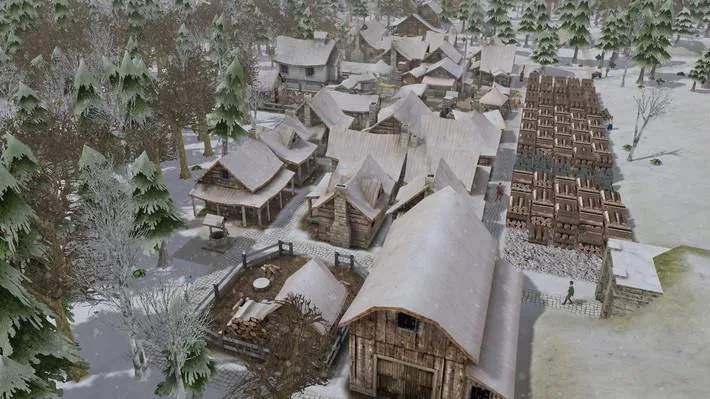
Surviving the First Winter
The inaugural winter in Banished is a critical test of your settlement's resilience and your planning prowess. Failing to prepare adequately can lead to widespread starvation, illness, and ultimately, the demise of your fledgling town. This section provides a comprehensive, step-by-step guide to ensure your villagers not only survive but thrive through their first frigid season.
Phase 1: Pre-Winter Preparations (Spring & Summer)
Your success in winter is determined by your actions in the preceding seasons. Focus relentlessly on resource accumulation and infrastructure development.
- Food Stockpiling: This is paramount. Aim for a minimum of 500-1000 units of food per adult citizen before the first snow falls.
- Gatherers: Prioritize building a Gatherer's Hut early. Place it deep within a dense forest for maximum efficiency. Assign 2-3 workers immediately. Gatherers provide a consistent, diverse food source (berries, mushrooms, onions, roots) that is not susceptible to crop blights.
- Hunters: Construct a Hunter's Lodge. Position it near the edge of a forest, but not so close to your main settlement that it scares away game. Assign 2-3 hunters. Venison provides both food and hides (for coats).
- Fishing: A Fishing Dock on a large body of water (river or lake) is an excellent supplementary food source. Assign 2-3 fishermen. Fish are a reliable protein.
- Farming (Optional but Recommended): While riskier due to potential crop failures, a small Farm (e.g., 8x8 or 10x10) planted with Wheat or Corn can provide a significant food boost. Ensure you have a Barn nearby for storage. Only plant one crop type initially to simplify management.
- Firewood Production: Cold is as deadly as hunger. Each house requires a steady supply of firewood. Target 100-200 units of Firewood per house as a pre-winter buffer.
- Woodcutter: Build a Woodcutter early and assign 1-2 laborers. Ensure a steady supply of logs from nearby forests. Do not deplete forests too close to your town; leave some for future gatherers and aesthetics.
- Forestry: Consider building a Forester's Lodge. While it takes time for trees to grow, a Forester will both cut down mature trees for logs and replant saplings, ensuring a sustainable timber supply. Assign 1-2 foresters.
- Housing: Every citizen needs a home. Unhoused citizens will freeze to death quickly in winter. Prioritize building enough Stone Houses or Wooden Houses for your entire population. Stone Houses offer better insulation but require stone.
- Tool Production: Tools are essential for all professions. A lack of tools severely cripples productivity.
- Blacksmith: Build a Blacksmith and assign a worker. Ensure a supply of Iron from a nearby Mine or purchased from a Trading Post. Aim for at least 50-100 tools in storage.
- Clothing: While not immediately critical for the first winter, having some clothing helps prevent illness.
- Tailor: If you have excess hides from hunters, build a Tailor. Leather Coats are a good starting point.
- Storage: Ensure you have sufficient storage capacity. Build additional Barns for food and materials, and Stockpiles for logs, stone, and iron.
Phase 2: Winter Management (Autumn & Winter)
As autumn deepens and winter approaches, your focus shifts from expansion to survival and resource management.
- Worker Reallocation: This is your most powerful tool.
- Farmers: Once crops are harvested in late autumn, reassign all farmers to other critical roles, such as Woodcutters, Miners, or Laborers (for resource hauling). They can return to farming in spring.
- Builders: Halt non-essential construction projects. Reassign builders to resource gathering or production.
- Laborers: Ensure you have a healthy pool of Laborers (at least 10-15% of your population). They are crucial for hauling resources, especially firewood to homes and food to barns.
- Firewood Monitoring: Keep a close eye on your firewood reserves.
- If your supply dips below 50 units per house, immediately assign more workers to the Woodcutter, even if it means temporarily pulling from other professions.
- Check individual house inventories. If a house is low on firewood, ensure there are laborers available to deliver it.
- Food Monitoring: Regularly check your total food supply.
- If food reserves drop below 200 units per person, consider temporarily increasing workers in your Gatherer's Huts, Hunter's Lodges, or Fishing Docks.
- Remember that gatherers and hunters will have reduced output in winter, so your stored reserves are paramount.
- Health and Happiness: Cold and hunger lead to illness and unhappiness.
- Herbalist: Build a Herbalist as soon as possible, ideally before winter. Place it deep in a forest. Herbalists gather medicinal herbs that cure common ailments. Assign 1-2 workers.
- Clinic/Hospital: These are later-game buildings, but be aware that widespread illness can cripple your workforce. The Herbalist is your primary defense for the first winter.
- Trading Post (If Available): If you managed to build a Trading Post and have surplus goods (e.g., tools, venison, firewood), you can trade for essential items like food or iron. However, relying on trade for the first winter is risky due to unpredictable merchant arrivals.
Common Pitfalls and Proactive Strategies
- Overexpansion: Do not build too many structures or expand your population too quickly before winter. Each new citizen and house adds to your resource demands.
- Resource Imbalance: Neglecting one resource (e.g., firewood) while focusing solely on another (e.g., food) is a recipe for disaster. Maintain a balanced approach.
- Lack of Laborers: A common mistake is not having enough unassigned laborers. These flexible workers are critical for moving resources, clearing land, and responding to immediate crises.
- Ignoring Alerts: Pay attention to the game's warning icons (e.g., "People are cold," "Low on food," "No tools"). These are early indicators of problems.
- Micro-management: Don't be afraid to pause the game (Spacebar) to re-evaluate your strategy and reallocate workers. This is a powerful tool for crisis management.
- Early Education: While tempting to build a School, prioritize survival buildings for the first winter. Educated workers are more efficient, but only if they survive.
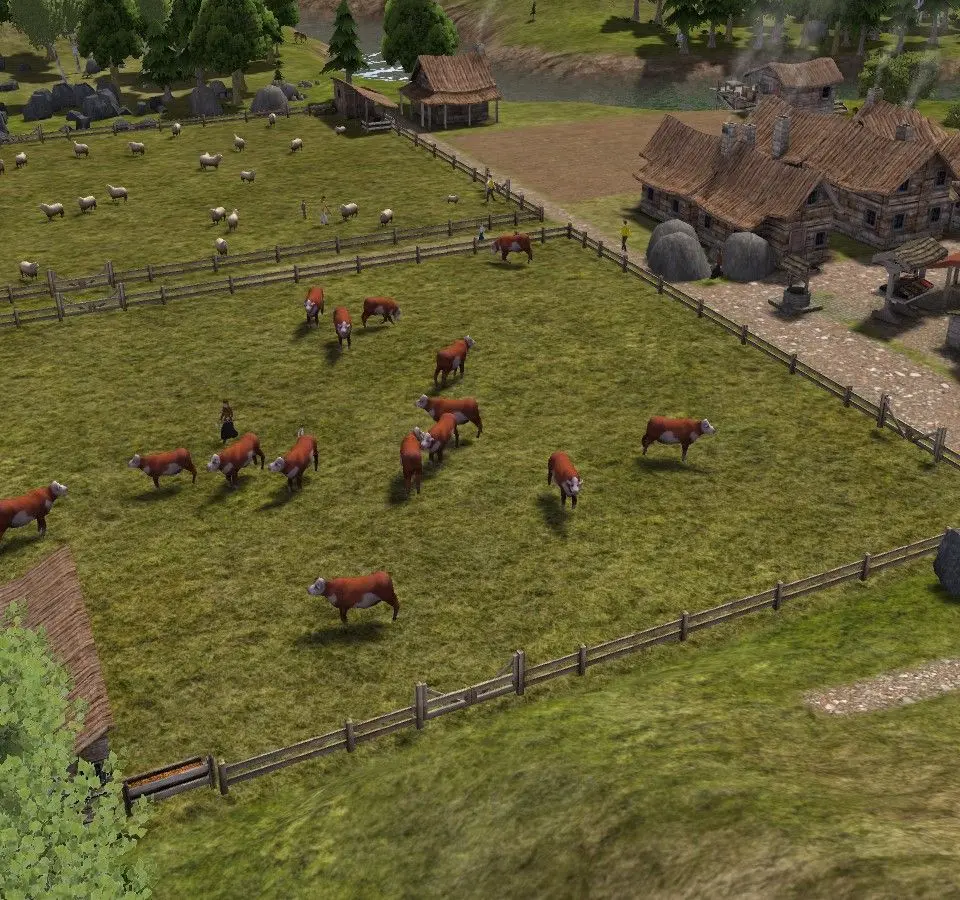
By diligently following these steps and maintaining a watchful eye on your resources and population, your Banished settlement will not only survive its first winter but emerge stronger and ready for continued growth.