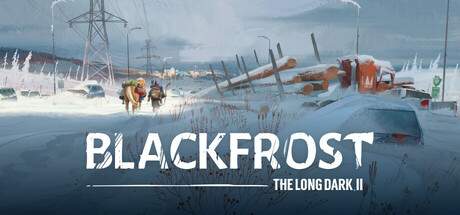
The presence of ice, whether frozen lakes, rivers, or ponds, is a double-edged sword in Blackfrost: The Long Dark II. While it can offer shortcuts and access to new areas, the risk of ice thinning and breaking beneath your weight is a constant and deadly threat. Understanding these mechanics is vital for safe traversal.
Assessing Ice Thickness and Stability
Ice thickness is not uniform and can vary significantly based on water depth, temperature fluctuations, and recent weather events. Generally, thicker ice is safer, but even seemingly solid ice can be treacherous.
- Visual Cues: Look for ss of thin ice. This includes areas with open water, cracks, slushy patches, or a milky, opaque appearance. Clear, solid-looking ice is generally more stable.
- Sound Indicators: Listen for cracking or groaning sounds as you approach or step onto the ice. These are clear warnings that the ice is under stress and may break.
- Water Depth: Ice over deeper water is often less stable than ice over shallower areas.
- Recent Weather: Periods of rapid warming or thawing can significantly weaken ice, even if it appears thick. Conversely, prolonged deep freezes can strengthen it.
Safe Ice Traversal Techniques
When you must cross frozen bodies of water, employ these strategies to minimize risk:
- Test the Ice: Before committing your full weight, test the ice ahead of you by tapping it with a tool like a hatchet or a sturdy stick. If it cracks or shows ss of weakness, do not proceed.
- Distribute Your Weight: Move slowly and deliberately. Spread your weight as much as possible by walking with your legs slightly apart. Avoid running or jumping.
- Crawl if Necessary: In particularly suspect areas, consider crawling to distribute your weight over a larger surface area.
- Travel in a Group (with Caution): If traveling with others, maintain significant distance between yourselves. A single point of failure can be catastrophic for an entire group.
- Carry a Rope: A rope can be invaluable if someone falls through. It allows others to pull them out safely.
What to Do If You Fall Through
If you fall through the ice, immediate action is critical:
- Don't Panic: Conserve energy and focus on your next move.
- Reach for the Edge: Try to grab onto the edge of the ice.
- Pull Yourself Out: Use your arms and legs to propel yourself onto the ice, distributing your weight as you do so.
- Crawl Away: Once out, do not stand up immediately. Crawl away from the hole to a safer distance.
- Seek Shelter and Warmth: Your priority is to get dry and warm as quickly as possible. Remove wet clothing and find shelter to build a fire. Hypothermia sets in rapidly.