Impact on Technology & Society
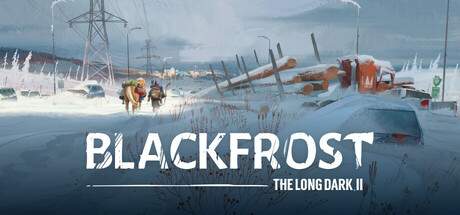
The geomagnetic disaster that defines Blackfrost: The Long Dark II has had a devastating and far-reaching impact on both technology and society. The perpetual darkness and the disruptive Aurora have rendered much of modern infrastructure obsolete, forcing survivors to adapt to a world stripped of its technological conveniences.
Electronic devices are particularly vulnerable. The intense electromagnetic interference caused by the Aurora renders most battery-powered and grid-dependent technology unreliable or completely inoperable. This includes communication systems, vehicles with complex electronics, and even basic lighting. Survivors must rely on analog methods, such as mechanical tools, fire for light and heat, and physical maps for navigation.
The collapse of widespread power grids has led to a de facto decentralization of society. Communities that once relied on external power sources are now isolated. This has fostered a return to more localized survival strategies, with small groups or individuals scavenging for resources and establishing self-sufficient bases. The concept of a globalized society has largely dissolved, replaced by a focus on immediate survival within one's immediate surroundings.
Crafting and repair skills have become paramount. With the inability to easily replace broken items, survivors must learn to mend and repurpose what they can find. This includes skills like sewing, blacksmithing, and general repair. The value of durable, mechanical items has skyrocketed, making them highly sought-after commodities.
The psychological impact on society is also significant. The constant struggle for survival, the isolation, and the pervasive sense of loss have taken a toll on the human psyche. Trust is a rare commodity, and communities are often wary of outsiders. The world of Blackfrost II is one where resilience, resourcefulness, and a deep understanding of the natural world are the keys to enduring the harsh new reality.