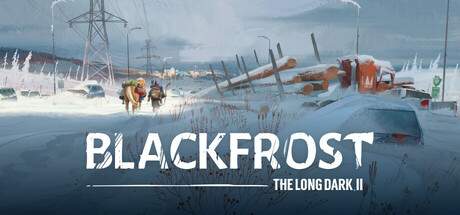
Origins of the Aurora
The catastrophic geomagnetic event that plunged the world into perpetual darkness and cold in Blackfrost: The Long Dark II is intrinsically linked to the phenomenon known as the Aurora. While the precise scientific mechanisms are complex and still being understood by the survivors, the Aurora is more than just a light show; it's a tangible manifestation of the planet's altered magnetic field.
The Aurora Borealis, or Northern Lights, is a natural atmospheric phenomenon caused by charged particles from the sun interacting with Earth's magnetic field. However, in the world of Blackfrost II, this interaction has been drastically amplified and destabilized. The initial geomagnetic disaster, theorized to be a massive solar flare or a shift in Earth's core, has left the planet's magnetic shield weakened and erratic. This allows an unprecedented influx of solar radiation to penetrate the atmosphere.
When these highly energized particles collide with atmospheric gases, they produce the vibrant, often eerie, light displays. In Blackfrost II, these displays are not confined to the poles; they are global and far more intense, often accompanied by dangerous electrical surges and disruptions. The Aurora is a constant reminder of the world's fragility and the powerful, untamed forces at play.
Survivors have learned that the Aurora has a profound impact on their environment. It significantly affects electronic devices, rendering most modern technology useless. This forces a reliance on older, more robust technologies and primitive survival methods. The increased radiation during an Aurora event also poses a health risk, necessitating shelter and caution.
The visual spectacle of the Aurora, while beautiful, is a harbinger of danger. Its presence often correlates with increased predator activity, particularly wolves, who seem to become more aggressive and territorial during these periods. Understanding the patterns and effects of the Aurora is therefore a crucial aspect of survival, allowing players to anticipate threats and manage resources more effectively.