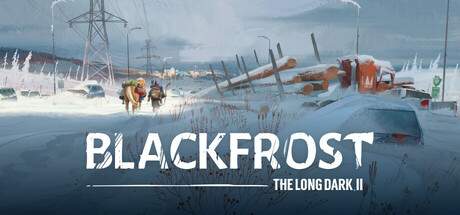
The Nomad Challenge in Blackfrost: The Long Dark II is a true test of your ability to thrive on the move, forcing you to constantly adapt and relocate as you seek to survive without a permanent base. This scenario strips away the comfort of a fixed shelter, demanding that you become a master of temporary encampments, efficient travel, and opportunistic scavenging. Your primary objective is to endure for a set period, constantly on the move, relying on your wits and the resources you can find along the way. This challenge emphasizes the core survival loop of Blackfrost, pushing you to manage your hunger, thirst, fatigue, and body temperature with an unwavering focus on mobility and resourcefulness.
Success in the Nomad Challenge requires a fundamental shift in your playstyle. You cannot afford to hoard resources or establish elaborate crafting stations. Instead, you must learn to identify the most valuable items for immediate use and travel, and to make quick, efficient decisions about when and where to rest. Understanding the map's geography, identifying potential temporary shelters, and knowing how to quickly set up a fire and cook food are paramount. This guide will offer strategies for maintaining momentum, identifying prime scavenging opportunities while on the move, and managing the unique pressures of a nomadic existence, helping you conquer the challenge of living life on the frozen frontier.
Key Strategies for the Nomad Challenge:
- Prioritize Mobility: Always have a plan for your next move and ensure you have the necessary supplies for travel.
- Master Temporary Shelters: Learn to use natural formations, abandoned vehicles, and small structures for brief periods of rest.
- Efficient Scavenging: Focus on gathering items that are lightweight, essential for survival, and easily portable.
- Resourcefulness: Be prepared to improvise and use items in unconventional ways to meet your needs.
- Constant Awareness: Always be mindful of your surroundings, potential threats, and the changing weather conditions.