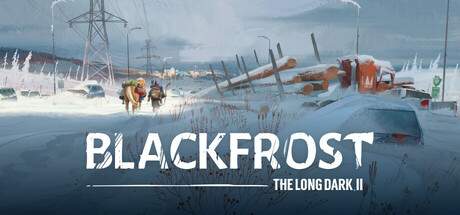
Blackfrost: The Long Dark II is a world dotted with numerous Points of Interest, each offering a unique blend of opportunity and peril. These locations range from the mundane remnants of civilization to the more mysterious and potentially rewarding sites that hint at the world's past and the nature of the geomagnetic disaster. Understanding the sificance and potential of these points of interest is crucial for any survivor looking to thrive. They are not just landmarks on a map; they are potential sources of vital supplies, crafting materials, shelter, and even clues to the overarching narrative. However, many of these locations are also frequented by dangerous wildlife or present their own environmental hazards.
Exploring these Points of Interest requires a strategic approach. Some might offer immediate rewards but are heavily guarded, while others might require a longer, more perilous journey to reach. The type of loot and resources available can vary greatly, from basic necessities like food and firewood to rare crafting components and advanced tools. Furthermore, many of these locations are intrinsically linked to the game's lore, offering glimpses into the lives of those who came before and the events that led to the current frozen state of the world. This section will delve into the common types of Points of Interest you'll encounter, providing insights into what you can expect to find and the challenges you'll need to overcome to make the most of your explorations.
Common Points of Interest:
- Abandoned Cabins: Small structures offering basic shelter and a chance for common supplies.
- Ranger Stations: Larger buildings often containing better tools, fuel, and medical supplies.
- Hunting Blinds: Small, often overlooked structures providing temporary cover and a vantage point.
- Shipwrecks: Coastal remnants that can yield valuable salvage but are often dangerous to access.
- Research Outposts: Isolated facilities that may contain specialized equipment or information.
- Mining Facilities: Industrial sites offering raw materials but often posing significant structural and environmental risks.