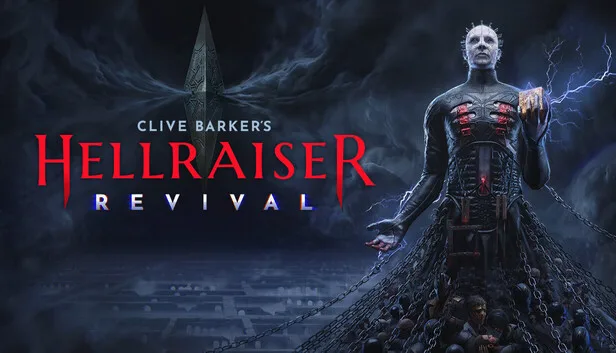
Understand the narrative cues in Clive Barker's Hellraiser: Revival. Decipher the story and lore behind the Cenobites and the mysterious Lament Configuration.
Clive Barker's Hellraiser: Revival weaves a narrative deeply inspired by the original Hellraiser movie and The Hellbound Heart novel. Pay close attention to environmental storytelling; the desolate and often disturbing environments, such as the Labyrinthine Corridors, are designed to reflect the psychological torment of the characters. The character of Aidan, for instance, is presented as a parallel to Julia, suggesting a theme of corrupted desire and the consequences of seeking forbidden pleasures. Dialogue from characters, even minor ones, can offer crucial insights into the motivations of entities like the Cenobites and the nature of the Lament Configuration. The game's narrative director, Anthony De Fault, has emphasized that the developers aimed to capture the "soul of Hellraiser," meaning the themes of pain, pleasure, and existential dread are central. Look for recurring symbols and motifs; the presence of chains, hooks, and intricate puzzle-like mechanisms are not merely aesthetic but often tied to the lore and the mechanics of the game. Understanding these cues will deepen your appreciation for the story and potentially reveal hidden objectives or lore entries. The developers have stated that Clive Barker himself was involved in ensuring the game understood "the soul of the work," so the narrative is intended to be as visceral and thematically rich as the source material.
100% Human-Written. AI Fact-Checked. Community Verified. Learn how AntMag verifies content