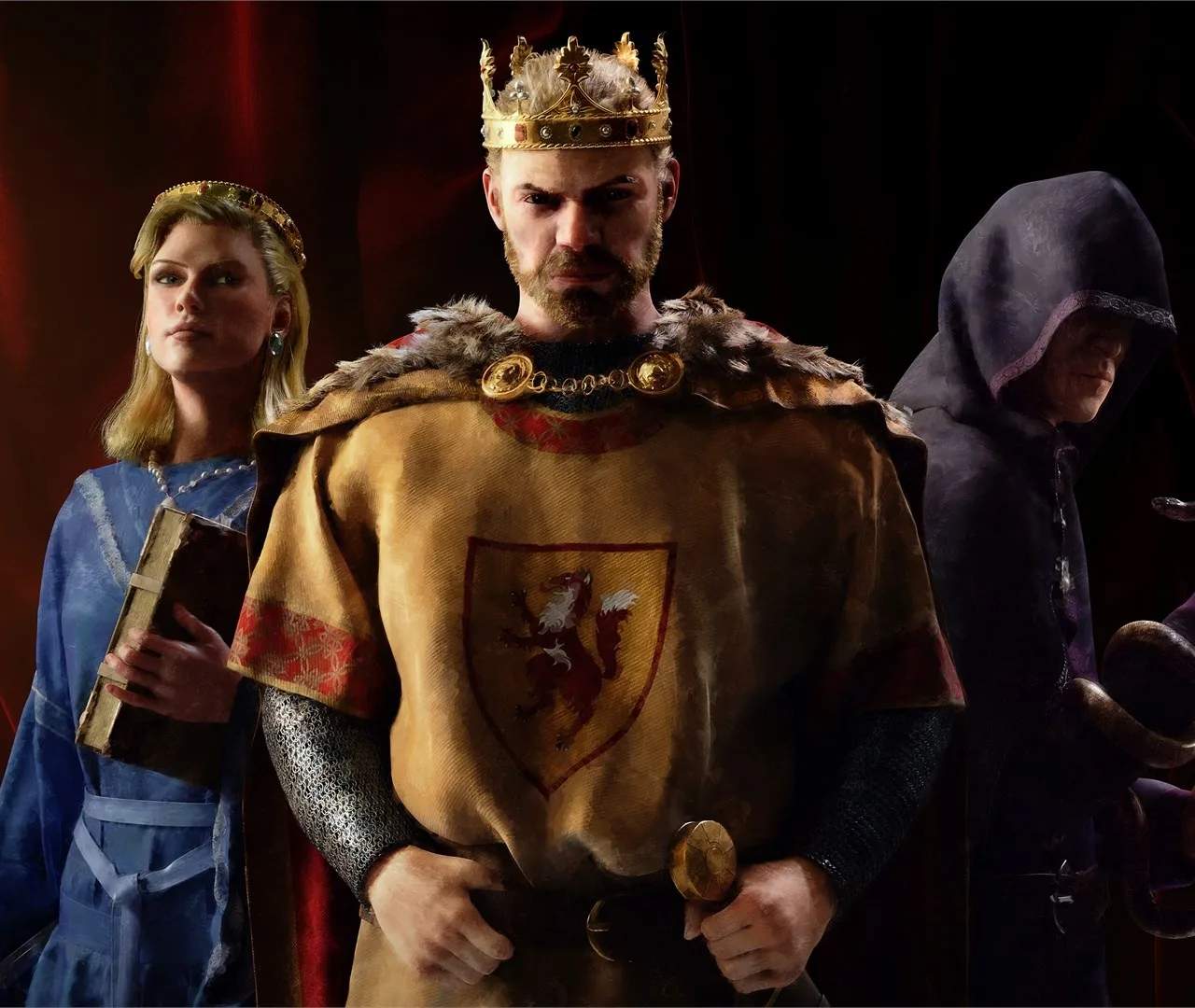
Crusader Kings III immerses players in a meticulously crafted medieval world, rich with history, culture, and diverse populations. Understanding the game's lore and the intricate web of its world is not just for flavor; it directly impacts your strategic decisions and the success of your dynasty.
The Shattered World of 1066 and 1337
The game primarily focuses on two starting bookmarks: the "Old Gods" (867 AD) and the "Iron Century" (1066 AD). Each presents a vastly different geopolitical landscape. The 867 start is a period of significant upheaval, with Viking incursions and the nascent formation of many European kingdoms. The 1066 start, famously the year of the Norman Conquest of England, offers a more established, yet still volatile, feudal world. Later bookmarks, like 1337, depict the twilight of the medieval period, with the Black Death looming and major powers in flux.
Cultures and Traditions: The Fabric of Society
The world is divided into numerous cultures, each with unique traditions, languages, and historical backgrounds. For example, the Franks are a feudal Western European culture, while the Norse are seafaring pagans. Interacting with different cultures can lead to opportunities for assimilation, cultural acceptance, or conflict. Adopting a new culture can grant access to powerful new traditions and technologies, but it can also alienate your existing population and vassals.
Languages and Their Impact
While characters can interact across language barriers, having a common language significantly improves diplomatic relations and the effectiveness of schemes. A ruler who learns the language of their powerful neighbors can forge stronger alliances, and a spymaster fluent in the local tongue of a rebellious province can uncover plots more easily.
Dynastic Legacies and Bloodlines
The game emphasizes the importance of your dynasty. Over generations, your family will forge a legacy through achievements, conquests, and the traits they pass down. Certain powerful bloodlines, often tied to historical figures, can be formed or inherited, granting unique bonuses and prestige to your dynasty. These legacies are the stories your dynasty will tell for centuries.
The Role of Religion and Heresy
Faith is a powerful force in the medieval world. The dominant religions like Catholicism, Orthodox Christianity, Islam, and various pagan faiths shape the political landscape. Heretical sects and new faiths can emerge, challenging the established order and leading to religious strife or even holy wars. Understanding the tenets and doctrines of each faith is crucial for navigating religious diplomacy and conflict.