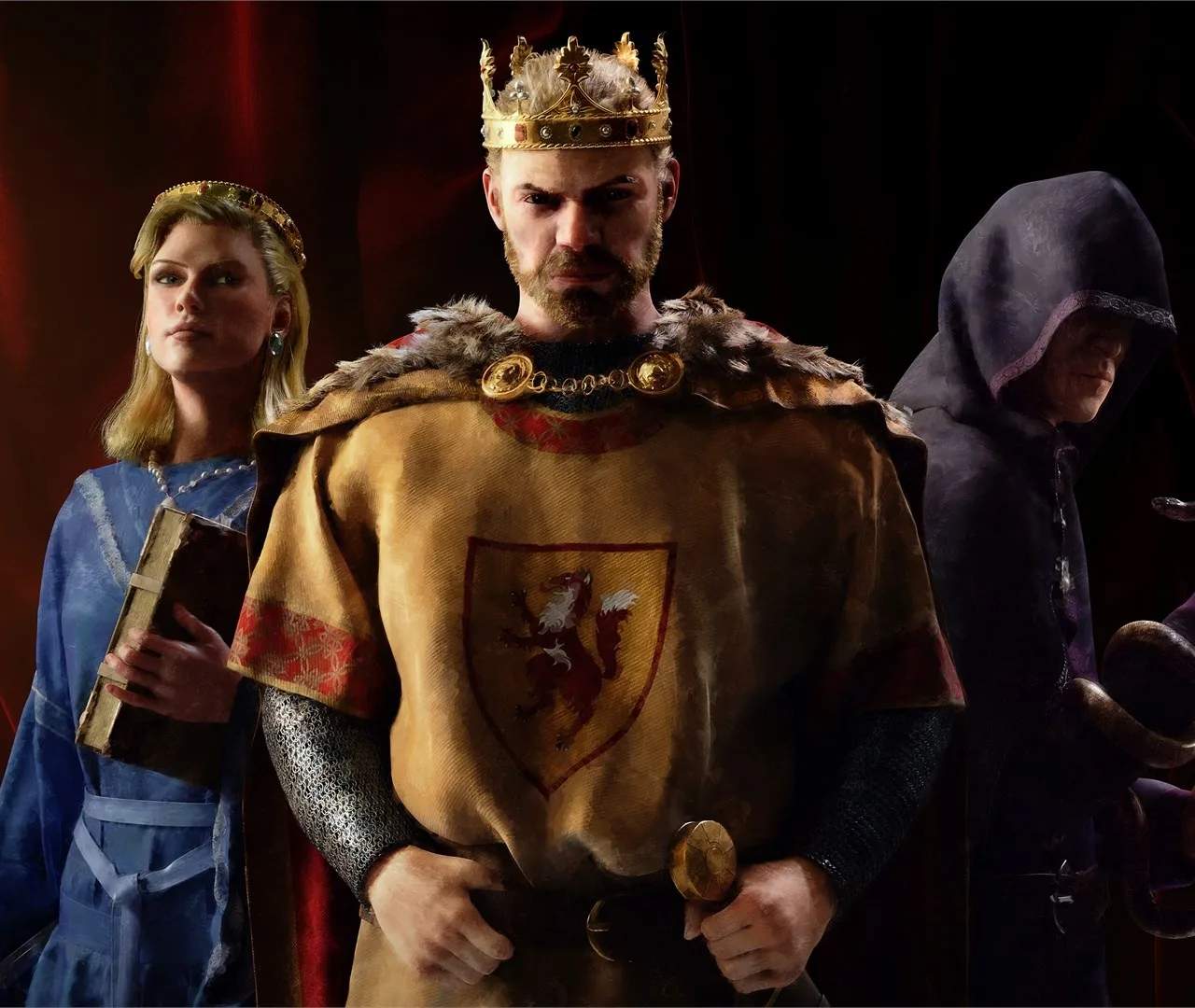
The Viking Age (867 AD)
The 867 AD start date in Crusader Kings III throws players into the heart of the Viking Age, a period of immense upheaval, exploration, and conquest across Northern Europe. This era is characterized by the fierce Norse pagans, their seafaring prowess, and their insatiable desire for wealth and land. Playing as a Norse ruler during this time offers a unique and often brutal gameplay experience, focused on raiding, tribal warfare, and the eventual transformation of pagan societies.
Norse Paganism and Raiding
The dominant religion for many Norse characters is Asatru, a pagan faith that emphasizes martial prowess, honor, and a pantheon of gods like Odin, Thor, and Freya. Asatru rulers have access to powerful raiding mechanics. By declaring a 'Raid' war, you can send your armies across the seas to pillage the holdings of weaker neighbors, accumulating vast amounts of gold and prestige. These raids are not just about wealth; they are a cultural cornerstone, reinforcing the martial identity of your people. The 'Great Holy Wars' are not yet a feature for Asatru in 867, so expansion often comes through smaller conquest wars or tribal subjugation.
Tribal Governments and Succession
Most Norse realms in 867 are tribal. Tribal governments have different mechanics than feudal ones, often relying on 'Renown' for certain powerful actions and having a more fluid succession system. The 'Confederate Partition' succession law is common, meaning your realm can be divided among your sons upon your death, making it challenging to maintain a large, unified kingdom. This encourages aggressive expansion to secure enough land to offset potential divisions. Tribal rulers also have access to unique buildings that boost levies and raid power.
Key Figures and Realms
The 867 start is populated by legendary figures and nascent kingdoms. You might find yourself playing as Ivar the Boneless, leading the Great Heathen Army into England, or as Bjorn Ironside, carving out a dominion in Sweden. Other notable starting realms include the Kingdom of Denmark, the Kingdom of Norway, and various powerful Jarls in the North Sea. The interactions between these Norse rulers, as well as their conflicts with the Anglo-Saxon kingdoms, the Frankish Empire, and the Slavic pagans, form the dramatic tapestry of this starting period.