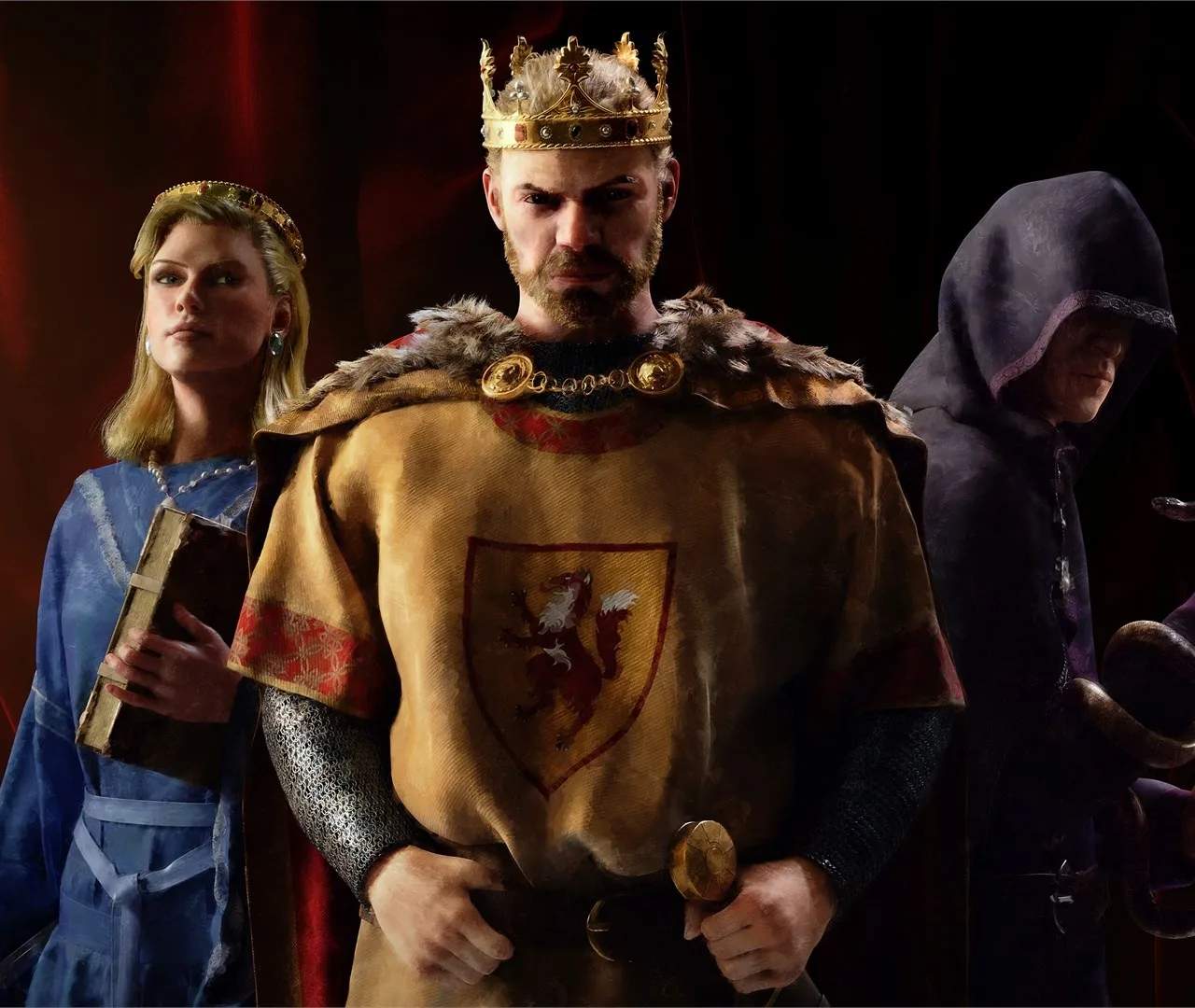
The High Middle Ages (1066 AD)
The 1066 AD start date marks the beginning of the High Middle Ages in Crusader Kings III, a period of significant consolidation, feudalization, and religious fervor. This era sees the decline of tribal governments and the rise of powerful feudal kingdoms and empires, with established monarchies and complex social structures. It's a time of knights, cathedrals, and the Crusades, offering a more traditional medieval grand strategy experience.
Feudalization and Realm Development
By 1066, many realms have transitioned from tribal to feudal governments. This means a greater reliance on vassals, taxes, and levies granted by landholding nobles. Developing your counties with buildings like 'Farms', 'Mines', and 'Cities' becomes crucial for increasing your income and manpower. The 'Stewardship' skill of your ruler and councilors is paramount for effective realm management, focusing on development and tax collection. Succession laws tend to be more stable, with 'Gavelkind' and 'Primogeniture' becoming more prevalent, though still presenting challenges.
The Rise of Kingdoms and Empires
The 1066 start features established kingdoms and empires across Europe, such as the Kingdom of England (freshly conquered by William the Conqueror), the Holy Roman Empire, the Kingdom of France, and the Byzantine Empire. These large realms are often characterized by internal struggles for power between powerful dukes and counts, as well as external threats from neighbors. Managing your vassals, ensuring their loyalty through titles, gifts, and marriages, is a constant balancing act.
Religious Influence and the Crusades
Christianity is a dominant force in 1066, with the Catholic and Orthodox faiths playing significant roles. The Pope holds considerable sway in Catholic Europe, and the threat of excommunication or holy wars is ever-present. The 'Crusades' are a major feature of this era, triggered by the Pope to reclaim the Holy Land. Participating in or defending against Crusades can dramatically alter the political landscape of the game. For other faiths, the High Middle Ages bring challenges from organized religious neighbors and the potential for their own holy wars.