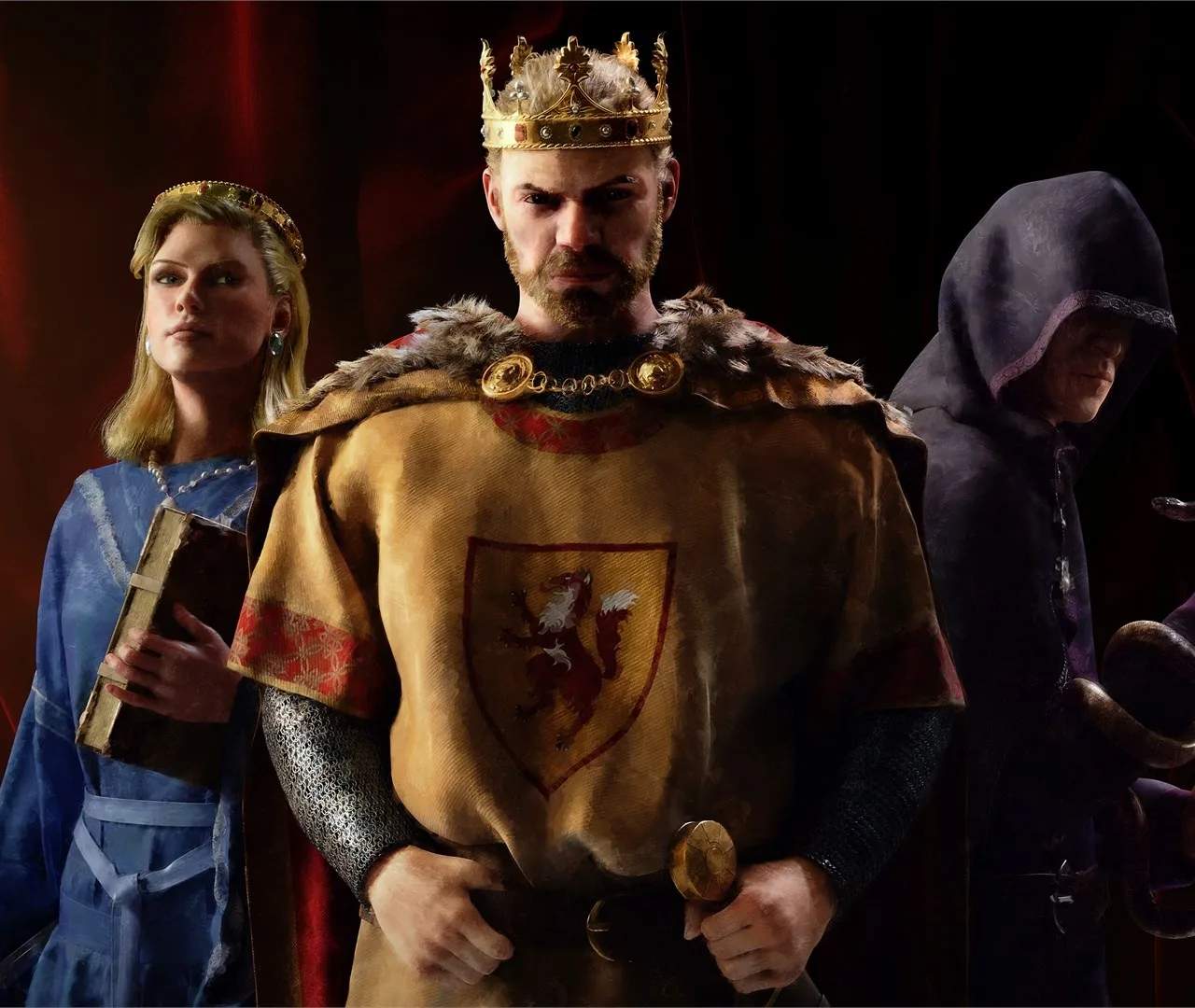
Cultural traditions and innovations are the bedrock upon which your dynasty's identity and power are built in Crusader Kings III. They represent the unique customs, beliefs, and technological advancements that define a culture, offering powerful bonuses and shaping the way your realm functions and expands.
Understanding Cultural Traditions
Each culture in Crusader Kings III possesses a set of active traditions, typically three to five, that provide tangible benefits. These traditions are unlocked as a culture progresses through its innovation tree. For example, the Warrior Lodges tradition, often found in martial cultures, allows characters to join and progress within a warrior society, granting combat bonuses and unique events. Conversely, traditions like Scholars of Abraham can boost learning and religious unity within Abrahamic faiths.
When playing as a ruler of a specific culture, you benefit directly from these traditions. If you are a ruler of the Norse culture, you might benefit from traditions that enhance raiding capabilities or provide bonuses to naval invasions. Understanding these traditions is key to leveraging your culture's strengths. For instance, if your culture has a tradition that boosts levy size, you'll want to focus on military expansion. If it boosts development, you'll want to invest in buildings that increase tax income.
The Role of Innovations
Innovations are technological and societal advancements that a culture can research over time. They are divided into four categories: Military, Economic, Culture, and Intrigue. As a culture researches innovations, it unlocks new buildings, unit types, casus bellis, and, crucially, new cultural traditions. The pace at which a culture researches innovations is influenced by the average learning skill of its characters and the development level of its provinces.
For example, researching innovations in the Military tree might unlock the powerful Longbowmen unit or the Feudalism government type. Economic innovations can lead to advanced farming techniques or the construction of lucrative trade ports. Cultural innovations might introduce new succession laws or improve diplomatic relations. Intrigue innovations can unlock more potent schemes or defensive measures against hostile plots.
Strategic Implications
Choosing a starting culture with traditions that al with your desired playstyle is a significant decision. Do you want to be a fearsome conqueror? Look for cultures with martial traditions. Do you prefer to build a prosperous economic powerhouse? Seek out cultures with economic and development-focused traditions. Furthermore, as your culture grows and researches new innovations, its traditions can change, offering new strategic avenues.
You can also influence their culture's development by investing in the "Research Innovations" decision, which costs prestige. This allows you to accelerate the adoption of new technologies and traditions, potentially giving you a significant advantage over neighbors who are slower to adapt. Understanding and strategically utilizing cultural traditions and innovations is paramount to long-term success and the enduring legacy of your dynasty.