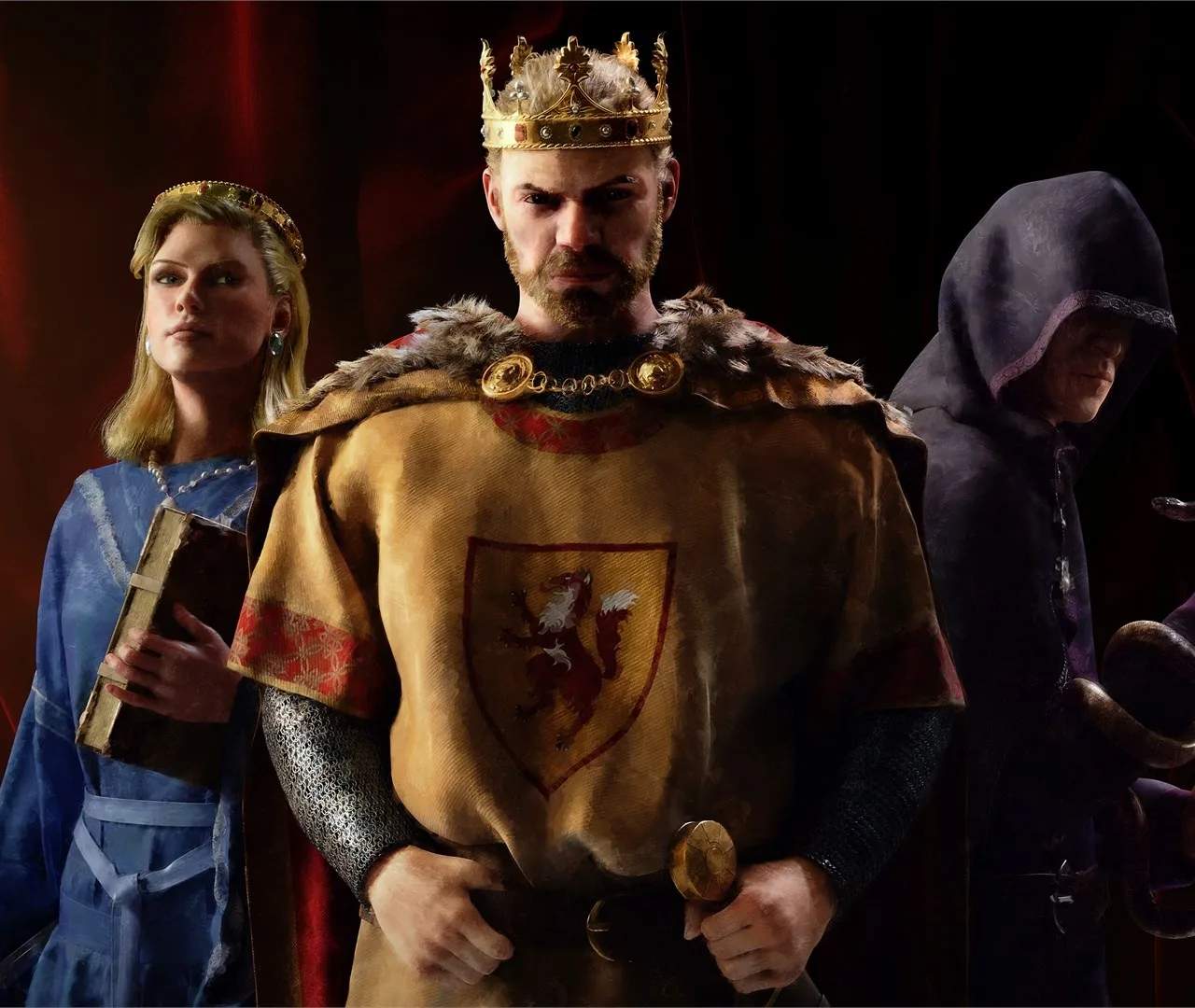
The cultures of Europe in Crusader Kings III are as diverse and intricate as the continent itself, each offering unique traditions, innovations, and gameplay modifiers that shape the experience of rulers within their sphere of influence. Understanding these cultural nuances is key to successful diplomacy, technological advancement, and realm stability.
Major Cultural Groups
Europe is broadly divided into several large cultural groups, each encompassing numerous individual cultures:
- Norse: Dominant in Scandinavia, known for their raiding traditions, shipbuilding, and warrior ethos.
- Germanic: Found across Northern Europe, including Anglo-Saxons, Franks, and Lombards. Often associated with feudalism and strong martial traditions.
- Romance: Encompassing cultures like French, Occitan, Italian, and Castilian. These cultures often have strong ties to the legacy of Rome and tend to be more focused on diplomacy and development.
- Slavic: Predominant in Eastern Europe, with cultures like Polish, Bohemian, and Russian. Often characterized by their resilience and unique spiritual traditions.
- Celtic: Found in the British Isles (Irish, Scottish, Welsh), known for their unique tribal structures and strong martial traditions in earlier periods.
- Greek: Centered around the Byzantine Empire, with a rich history and strong ties to classical antiquity.
Cultural Traditions
Each culture possesses a set of traditions that provide specific bonuses and penalties. These traditions can influence:
- Levy Size and Quality: Traditions like "Warrior Culture" can significantly boost your military strength.
- Development Growth: Cultures with traditions like "Scholarly Pursuits" will see faster technological advancement.
- Diplomacy and Vassal Opinion: Traditions can affect how other rulers and your own vassals perceive you.
- Religious Tolerance: Some traditions can make it easier or harder to convert populations to your faith.
Cultural Acceptance
Cultural acceptance is a vital mechanic. If your ruler is of one culture and their vassals or subjects are of another, low cultural acceptance can lead to unrest and factionalism. Increasing cultural acceptance can be achieved through:
- Having a Steward with the "Cultural Exchange" lifestyle focus.
- Having characters of the same culture in powerful positions.
- Using the "Promote Culture" task in counties.
- Having a high opinion of your ruler among the minority culture.
Innovation and Technology
Cultures are the primary drivers of technological advancement in Crusader Kings III. Each culture has its own unique innovations that unlock new buildings, units, and societal advancements. Cultures that are geographically close or share a common ancestor often have similar innovation trees, encouraging interaction and potential cultural blending.
Cultural Blending and Divergence
Over time, cultures can blend, creating hybrid cultures with a mix of traditions. Conversely, cultures can diverge, becoming more distinct from their parent cultures. These mechanics allow for dynamic and evolving cultural landscapes throughout the game.