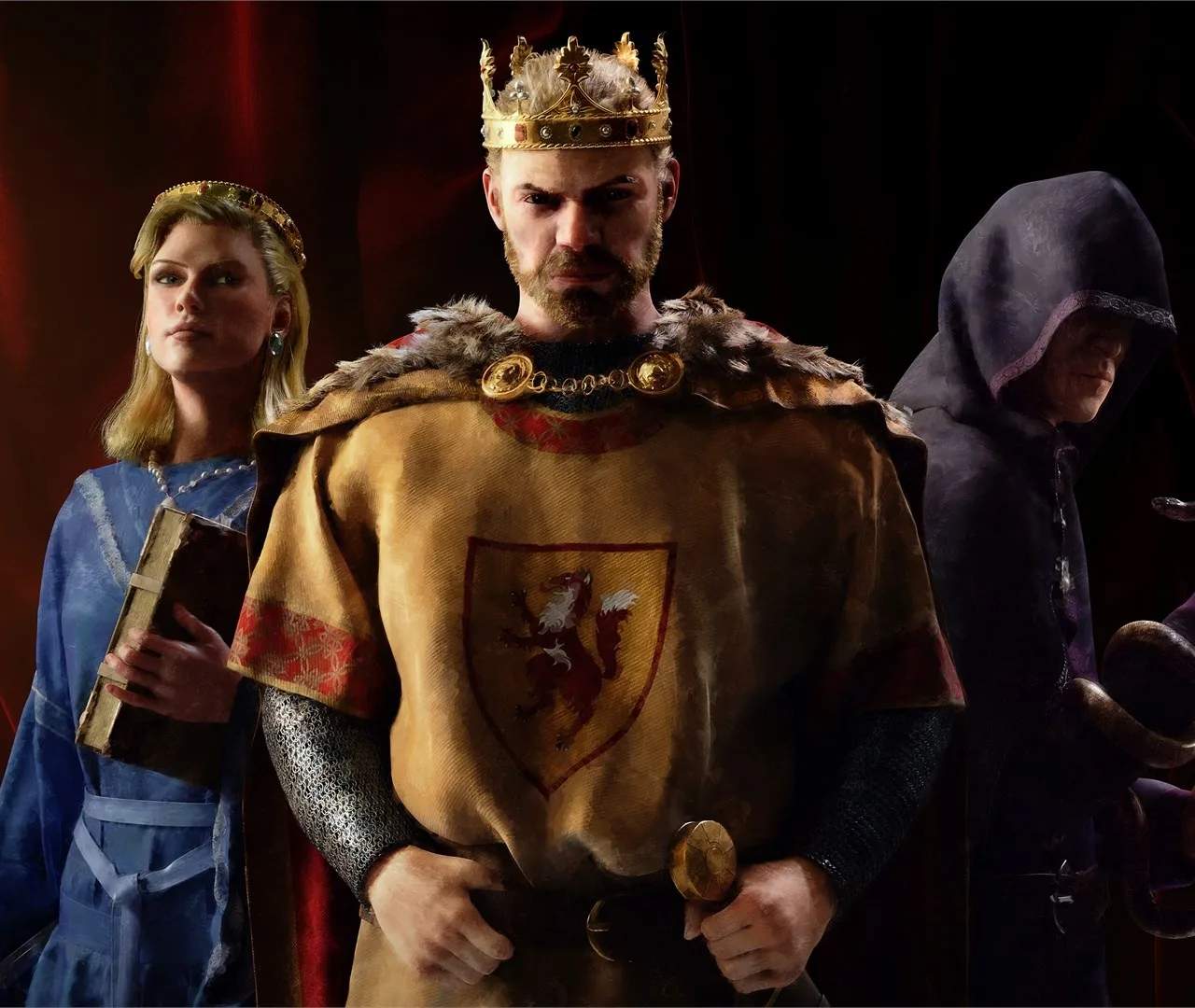
Pagan and Tribal religions form the bedrock of many early-game dynasties in Crusader Kings III, offering a distinct playstyle focused on raiding, warfare, and often, a more direct connection to the natural world. These faiths are typically characterized by their decentralized nature, emphasis on warrior culture, and the potential for significant transformation through reformation.
Tribal Organization
Most Pagan faiths are tied to tribal governments. This means rulers often start with less developed holdings, relying heavily on levies raised from their vassals and direct subjects. Expansion is frequently achieved through warfare and conquest, with raiding being a primary source of income and prestige. Tribal rulers also have unique casus bellis (reasons for war) such as "Conquest" and "Subjugation."
Reformation Potential
A key aspect of playing a Pagan faith is the ability to reform it. This is a monumental undertaking that requires significant piety, a certain number of reformed temples within your realm, and often, control over specific holy sites. Reformation allows you to choose new doctrines, change the faith's organization (e.g., from "Tribal" to "Feudal"), and even establish a religious head, fundamentally altering your faith's gameplay mechanics and long-term viability.
Key Pagan Faiths
- Norse: Found in Scandinavia, often associated with raiding and a strong martial tradition.
- Slavic: Predominant in Eastern Europe, with diverse holy sites and potential for unique mechanics.
- Finnish: Located in the Baltic region, often facing pressure from neighboring feudal realms.
- Romuva: A Baltic pagan faith with its own set of holy sites and challenges.
- Zunism: A unique faith found in parts of modern-day Afghanistan, with a focus on the sun.
Doctrines & Tenets
Pagan faiths often have tenets that reflect their warrior culture, such as "Warmonger" or "Cannibalism." These tenets grant specific bonuses and penalties, influencing your ruler's interactions and capabilities. For example, "Warmonger" provides increased levy size and combat ability.
Tribal Vassals
Managing tribal vassals can be different from feudal ones. They often have less developed holdings and may be more prone to factionalism if not kept in check. Granting them titles and ensuring their loyalty through gifts and alliances is crucial for maintaining stability.