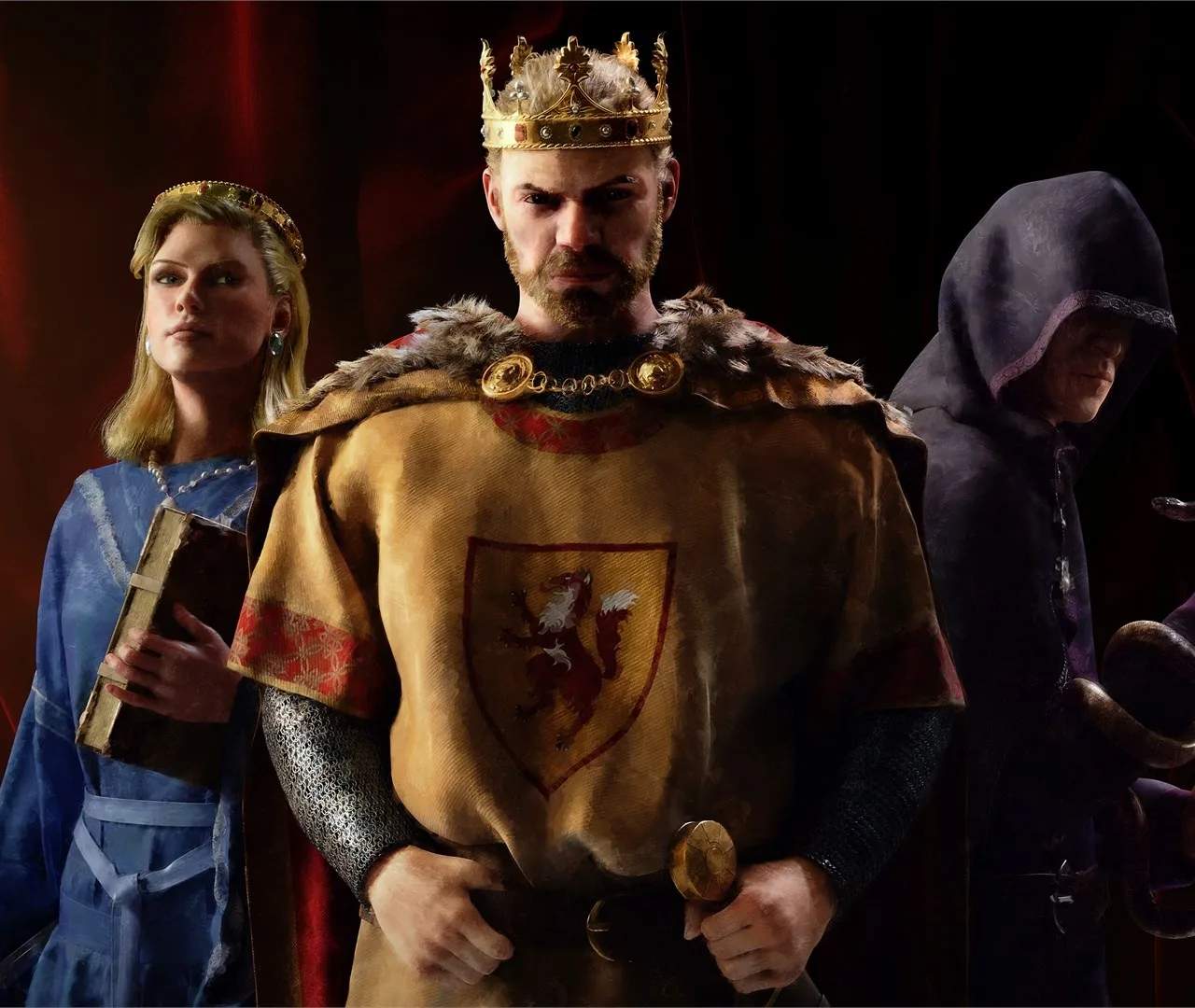
For players new to the intricate web of Crusader Kings III, selecting the right starting point can significantly ease the learning curve. The game offers a vast array of rulers and eras, but some are inherently more forgiving and provide excellent opportunities to grasp core mechanics without being immediately overwhelmed. Focusing on a smaller, more stable realm allows you to experiment with diplomacy, warfare, and internal management at a manageable pace.
Ireland, 1066: The Classic Starting Point
Often hailed as the "tutorial island," Ireland in 1066 presents a fragmented landscape of small counties and duchies. The rulers here are generally of the same culture and faith, minimizing immediate external threats and internal religious strife. Key starting characters like Murchad of Munster or Diarmait of Leinster offer a solid foundation. Your primary goal will be to conquer the rest of Ireland, forming the Kingdom of Ireland. This process teaches you the basics of fabricating claims, declaring war, managing levies, and consolidating territory. The relative isolation of the island also provides a buffer against the more aggressive powers of continental Europe.
The Baltic Pagans, 1066
For those who prefer a more aggressive approach and are eager to learn about tribal mechanics and religious reformation, the Baltic pagans offer a compelling starting point. Rulers like Mieszko II of Poland (though he's Catholic, his neighbors are pagan) or the various rulers in the Baltic region (like the Old Prussians or Lithuanians) are tribal and pagan. This allows you to experience the unique mechanics of tribal governments, such as raiding, tribal conquest, and the eventual transition to feudalism. Reforming or converting from paganism is a significant undertaking that teaches you about faith mechanics, holy wars, and the challenges of cultural assimilation. Starting as a tribal ruler also emphasizes the importance of prestige and developing your domain.
A Count in the Holy Roman Empire, 1066
If you're interested in the complexities of feudal politics and the intricacies of a large, often chaotic realm, starting as a count within the Holy Roman Empire can be highly educational. While challenging, it exposes you to vassal management, powerful lieges, and the constant threat of internal conflict and external wars. Choosing a count allows you to learn how to navigate the feudal system from the ground up, focusing on developing your personal domain and building relationships with your fellow vassals and your emperor. This start is excellent for understanding the power dynamics within a large realm and the importance of alliances and strategic marriages.