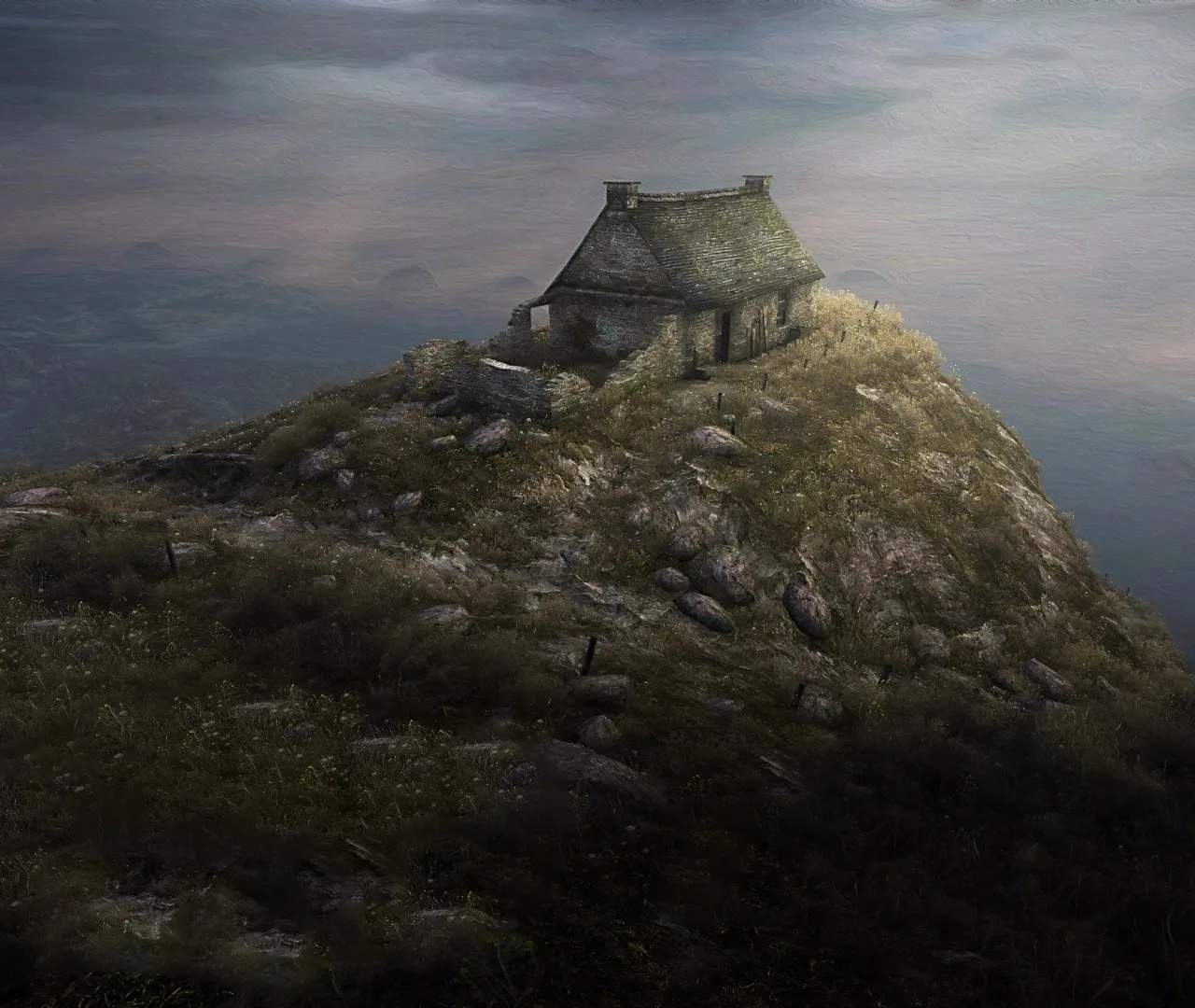
The protagonist in Dear Esther is deliberately enigmatic, serving as a silent observer and the conduit through which You experiences the island's story. You are never shown, and your actions are limited to movement and observation. This lack of direct characterization is crucial to the game's des, allowing players to project their own feelings and interpretations onto the journey. The protagonist's presence is felt through the narrator's letters, which are addressed to Esther. The nature of this relationship, and the protagonist's role in the events that transpired, is a central mystery that You unravels. Are you the one writing the letters, or are you a separate entity piecing together someone else's memories? The game offers no definitive answer, fostering a sense of personal connection to the narrative.
As you progress through the island, the protagonist's journey is one of remembrance and perhaps, a form of catharsis. The act of walking through these desolate locations, triggering fragments of the past, mirrors the process of confronting difficult memories. The absence of any interactive elements beyond movement emphasizes the passive nature of this experience. You are not solving puzzles or fighting enemies; you are simply bearing witness. The protagonist's journey is a solitary one, reflecting themes of isolation and the internal struggle with loss. The ultimate goal is not to "win" or "complete" a task, but to absorb the atmosphere, engage with the narrative, and arrive at a personal understanding of the story and the protagonist's place within it.