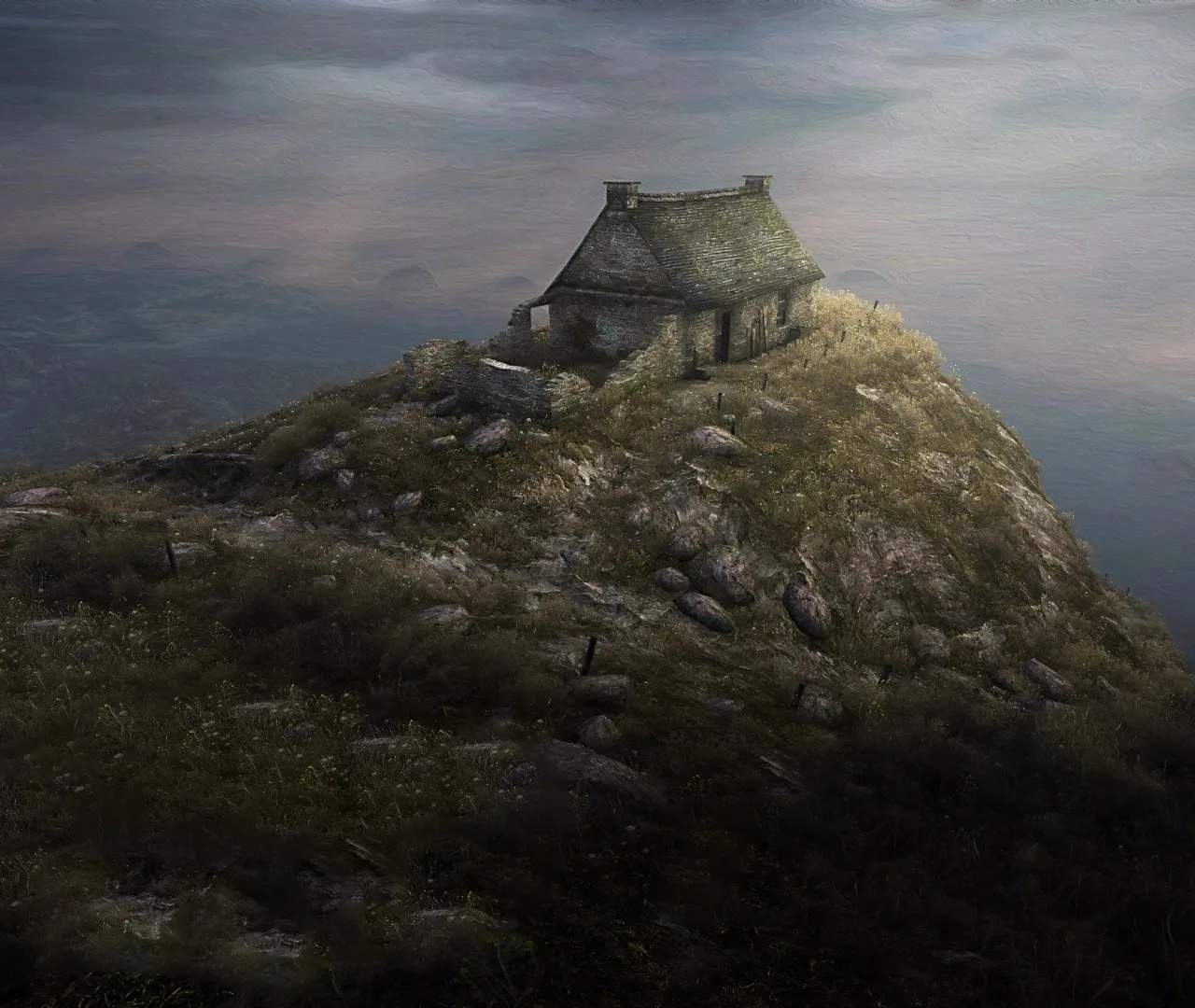
The island of Dear Esther is rich with symbolic imagery that enhances the game's melancholic atmosphere and thematic depth. As you traverse the desolate landscapes, you'll encounter various environmental elements that carry significant meaning. For instance, the recurring motif of the sea and the coastline often represents the vastness of memory, the passage of time, and the overwhelming nature of grief. The crumbling structures and abandoned buildings speak to themes of decay, lost love, and the ephemeral nature of human existence. Look for details like weathered photographs, discarded personal belongings, and the stark, often bleak, natural surroundings. These elements are not merely set dressing; they are integral to the narrative, serving as visual anchors for the narrator's spoken words.
The lighthouse, a prominent landmark in the game, can be interpreted in several ways. It might symbolize hope, guidance, or a beacon of memory in the darkness. Conversely, its isolation and the often stormy weather surrounding it could also represent loneliness and despair. The presence of specific flora and fauna, though not explicitly explained, can also contribute to the overall mood and thematic resonance. For example, the starkness of the landscape might reflect the emotional barrenness of the narrator, while the occasional glimpse of wildlife could hint at fleeting moments of peace or natural beauty amidst the turmoil. The game encourages a slow, deliberate pace, allowing players to absorb these visual cues and ponder their sificance in relation to the unfolding story.