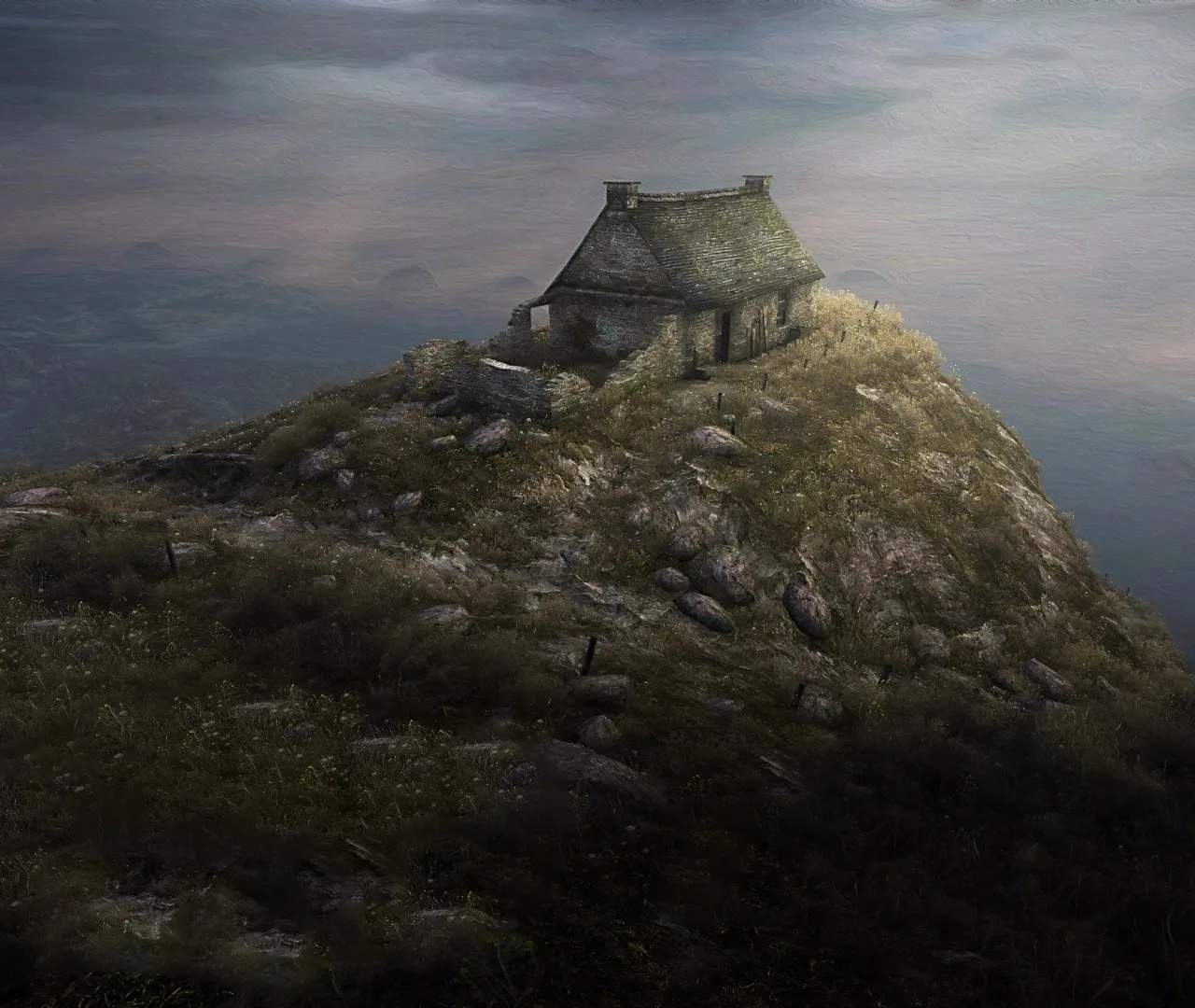
Dear Esther's narrative unfolds not through traditional cutscenes or dialogue trees, but through a series of letters read by an unseen narrator. These letters are addressed to a character named Esther, and their content gradually reveals fragments of a tragic story. The player's role is to piece together these fragments by exploring the island and triggering new narrative segments. The structure is non-linear in terms of discovery, meaning you might hear parts of the story out of chronological order. This deliberate fragmentation encourages reflection and personal interpretation of the events. Pay close attention to the narrator's tone and the recurring themes of love, loss, and regret. The island itself acts as a canvas for these memories, with each new area unlocking another layer of the unfolding mystery. There are no definitive answers provided; instead, the game invites you to construct your own understanding of what transpired.
The game is divided into distinct chapters, each marked by a change in environment and a progression of the narrative. As you move through these areas, the narrator's voice will become more prominent, offering insights and reflections. It's important to remember that the narrator is not necessarily a reliable source of information. Their perspective is colored by their own emotional state and their relationship with Esther. The beauty of Dear Esther lies in its ambiguity, allowing for multiple readings and emotional connections to the story. Embrace the feeling of being adrift in a sea of memories and unanswered questions.