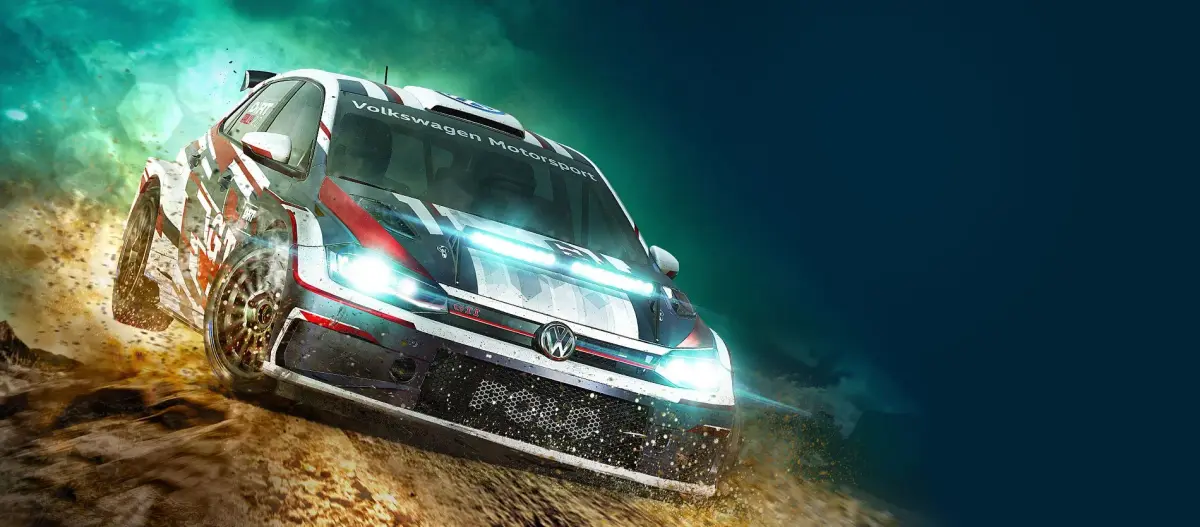
New to Dirt Rally 2.0? This guide breaks down the essential rookie stats you need to know to get started and improve your times on the track.
Alright, so you're diving into Dirt Rally 2.0 and wondering what all those numbers mean? Let's break down the key stats that'll help you get up to speed. Think of these as your car's basic DNA – understanding them is the first step to shaving off those seconds. First up, we've got Horsepower (HP). This is basically how much raw power your engine has. More HP means you'll accelerate faster and have a higher top speed. It's crucial for those long straights, but don't forget that too much power can be hard to handle, especially on loose surfaces. Then there's Torque. This is the rotational force of your engine, and it's what gets your wheels spinning. High torque, especially at low RPMs, means you'll have great pulling power, which is super useful for getting off the line quickly and climbing those tricky inclines. It's all about that initial grunt. Weight is exactly what it sounds like – how heavy the car is. Lighter cars generally handle better, accelerate quicker, and brake faster. However, heavier cars can sometimes feel more planted and stable, especially at high speeds. It's a trade-off you'll feel in every corner. Gearing refers to how the engine's power is delivered to the wheels. You'll see different gear ratios. Shorter gears give you quicker acceleration but a lower top speed, while longer gears give you higher top speed but slower acceleration. Your car's setup will often involve tweaking these ratios for different tracks. Grip is your lifeline on the track. It's the friction between your tires and the surface. More grip means you can corner faster and brake harder without sliding. Different tire compounds and suspension setups affect grip, and it's something you'll constantly be adjusting based on the surface (gravel, tarmac, snow). Braking Power is straightforward – how effectively your car can slow down. Better brakes mean you can brake later and harder, giving you an advantage in tight corners. Don't neglect your brakes; they're just as important as the go-pedal! Suspension affects how your car handles bumps, jumps, and body roll. Stiffer suspension can improve responsiveness on smooth surfaces, but it'll make the car feel skittish on rough terrain. Softer suspension absorbs impacts better but can lead to more body roll in corners. Aerodynamics plays a role, especially at higher speeds. Downforce, for example, pushes the car into the track, increasing grip. Spoilers and body kits influence this. You'll notice this more in cars that are designed for speed. Differential settings control how the power is distributed between the driven wheels. An 'open' diff allows wheels to spin at different speeds (good for traction on uneven surfaces), while a 'locked' diff forces them to spin at the same speed (better for stability and power delivery on consistent surfaces). You'll find yourself adjusting this for different conditions. Finally, Tire Wear. Over a long rally stage, your tires will wear down, affecting grip and handling. Keeping an eye on this and managing your tire strategy is key to consistent performance. Pushing too hard too early can leave you with worn-out tires by the end of the stage. Don't worry if it all seems like a lot at first. The best way to learn is to get out there, experiment with different cars, and feel how these stats affect your driving. You'll start to get a feel for what works best for you and each specific rally stage. Happy rallying!100% Human-Written. AI Fact-Checked. Community Verified. Learn how AntMag verifies content