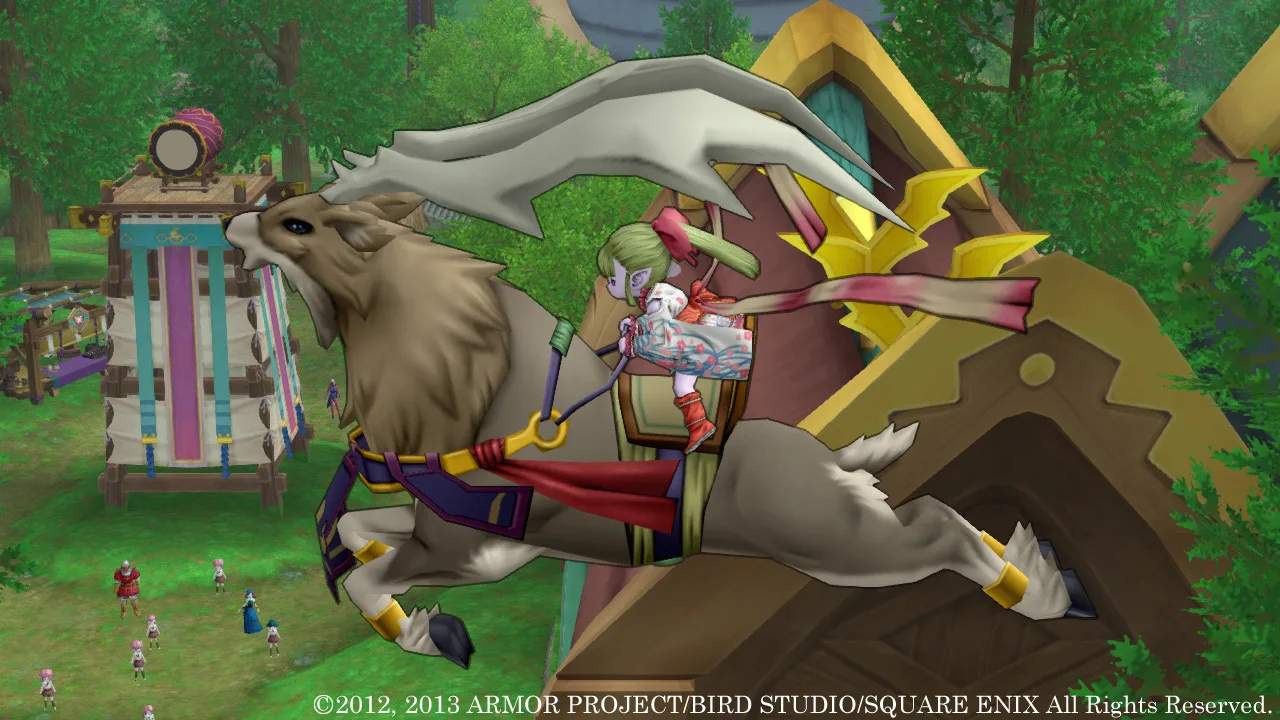
Economy and Trading
The economy in Dragon Quest X is a vibrant and ever-changing landscape, driven by player interaction and the constant demand for materials and equipment. Mastering the art of trading can significantly boost your gil reserves, allowing you to afford powerful gear, housing, and other luxuries. This guide will walk you through the essential aspects of making money and smart trading.
Understanding the Auction House (Bazaar)
The Auction House, often referred to as the Bazaar, is the central hub for player-to-player trading. You can access it in most major cities, typically near the Adventurer's Guild or a central plaza. Familiarize yourself with its interface, as it's where you'll buy and sell almost everything.
- Searching for Items: Use the search function diligently. You can filter by item type, rarity, and even specific stats. Always compare prices before listing or buying.
- Listing Items: When listing, pay attention to the current market price. Undercutting by a small margin (e.g., 10-50 gil) can ensure a quick sale, but don't crash the market. Consider the 5% transaction fee when setting your price.
- Market Trends: Prices fluctuate based on demand (new content, popular crafting recipes) and supply (farming efficiency, event drops). Keep an eye on items that are consistently selling well or have recently spiked in price.
Early Game Gil Generation (Levels 1-30)
During your initial adventures, focus on consistent, low-effort gil generation. These methods are reliable and don't require significant investment.
- Monster Drops:
- Slime Molds: Found from various Slime family monsters in areas like the Slime Forest near Puklipo. These are used in early-game alchemy and crafting.
- Fairy Dust: Dropped by Fairy Moth enemies in the Gleeba Plains. Essential for many early alchemy recipes.
- Iron Ore: Gathered from mining nodes in starter zones or dropped by Golems in the Mount Prominence region. Always in demand for blacksmithing.
Strategy: Farm these items in bulk. Even if individual prices are low, selling stacks of 99 can net a decent profit.
- Quest Rewards:
- Complete all available side quests in your starting zones (e.g., Rendare's Village, Port Llaffan). Many offer gil, useful items, or crafting materials as rewards.
- Prioritize quests that reward crafting materials or items that can be sold directly on the Bazaar.
- Gathering Professions:
- Choose a gathering profession early, such as Mining or Botany. Even low-level materials like Copper Ore and Cotton sell consistently.
- Spend 15-30 minutes each play session gathering resources in safe, low-level areas.
Mid-Game Profit Strategies (Levels 31-60)
As you progress, you can engage in more complex and lucrative trading activities.
- Alchemy and Crafting:
- Invest in an alchemy pot or a crafting profession (e.g., Blacksmith, Weaver).
- Alchemy Example: Crafting Strong Medicine (using Medicinal Herbs and Antidotal Herbs) or Magic Water (using Holy Water and Mystic Herb). Check the Bazaar to see if the crafted item sells for more than the sum of its ingredients.
- Crafting Example: Early-game armor like Iron Armor or Chain Mail can be profitable if you can source materials cheaply or gather them yourself.
Strategy: Research popular recipes and monitor ingredient prices. Buy low, craft, and sell high.
- Rare Monster Drops:
- Certain monsters drop rare items that fetch high prices. For instance, Metal Slimes (found in Metal Slime Forest or Slime Hill) drop Metal Slime Scales which are used in high-end alchemy.
- King Slimes can drop King Slime Crowns, valuable for certain crafting recipes.
Strategy: Form a party and actively hunt these monsters. The drops are rare, but the payout is significant.
- Mini Medals and Exchange:
- While not directly tradable, collecting Mini Medals (found in chests, quest rewards, and monster drops) allows you to exchange them for rare items at Princess Minnie's Castle. Some of these exchange items, while not always tradable themselves, can unlock powerful gear that saves you gil.
- Keep an eye on the exchange list for any new additions that might have high utility or demand.
Advanced Trading Techniques (Levels 61+)
At higher levels, the economy becomes more complex. These strategies require more market knowledge and capital.
- Flipping High-Value Items:
- Identify items that are frequently undervalued or oversold on the Bazaar. This often includes rare crafting materials, high-level equipment with desirable stat rolls, or popular cosmetic items.
- Example: A player might quickly sell a Meteorite Bracer for less than its true value. Buy it, then relist it at a more appropriate price.
Strategy: Requires constant monitoring of the Bazaar and a good understanding of item values. Start with smaller investments to minimize risk.
- Seasonal and Event Trading:
- During special events (e.g., Summer Festival, Winter Wonderland), unique items or crafting materials become available.
- Example: Event-exclusive dyes or furniture blueprints might be cheap during the event but skyrocket in price months later when they are no longer obtainable.
Strategy: Stockpile event-exclusive tradable items. Hold onto them for several months, then sell when demand is high and supply is low.
- Crafting Masterpieces:
- If you've mastered a crafting profession, focus on creating items with perfect or near-perfect stat rolls. These "masterpieces" can sell for significantly more than their standard counterparts.
- Example: A Legendary Sword with maximum attack and critical hit chance will fetch a premium price.
Strategy: Requires significant investment in crafting skill and high-quality materials. It's a long-term strategy for dedicated crafters.
Remember, the Dragon Quest X economy is dynamic. What's profitable today might not be tomorrow. Stay informed, adapt your strategies, and happy trading!