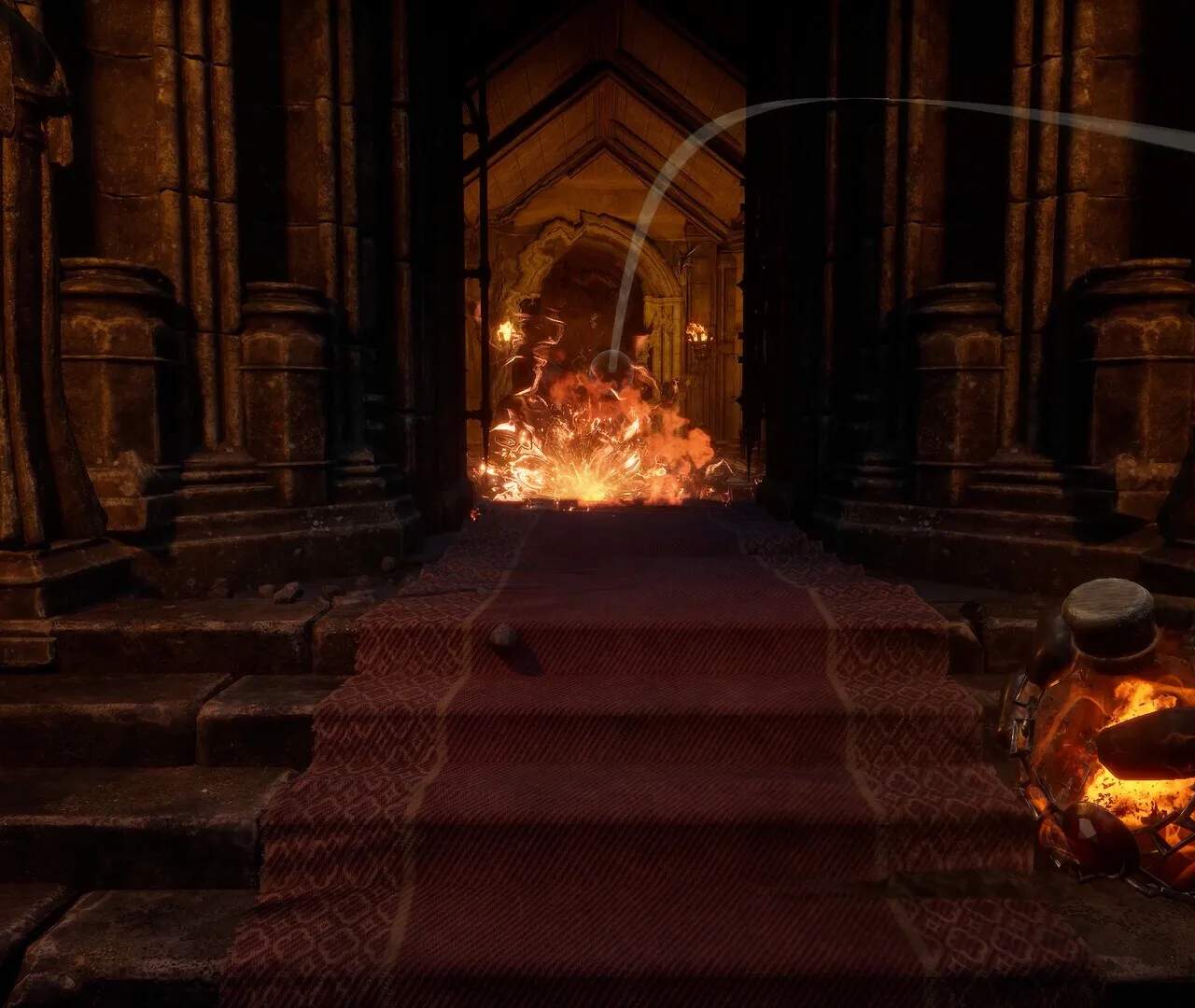
B Tier Classes
In the ever-evolving landscape of Dungeonborne, particularly during its demo or early access phases, certain classes may not immediately stand out as top-tier but offer a solid and reliable foundation for players. These 'B Tier' classes provide a balanced experience, capable of handling most challenges effectively with the right player skill and gear investment. They often excel in specific niches or offer a versatile toolkit that can be potent when utilized correctly.
Classes often found in the B Tier might include those that require a more nuanced understanding of mechanics or have slightly slower ramp-up times compared to S or A Tier counterparts. For instance, a 'Rogue' might be considered B Tier if their early game damage output is lower than a 'Warrior' but their utility in disarming traps and high single-target burst damage later on makes them a valuable asset. Similarly, a 'Mage' that relies heavily on mana management and precise spell rotations might fall into this category. Their power is undeniable, but it demands a higher level of player execution. These classes often shine in coordinated groups where their unique strengths can be amplified. A B Tier class might not be the first choice for a player seeking immediate overwhelming power, but they offer a rewarding experience for those willing to invest time in mastering their intricacies. They are often the workhorses of the dungeon, capable of consistent performance and adaptable to various situations. Players choosing a B Tier class should focus on understanding their core strengths, optimizing their gear for their specific role, and practicing their rotations and decision-making to maximize their effectiveness.
Characteristics of B Tier Classes:
- Reliable Performance: Capable of consistent output in most combat scenarios.
- Niche Strengths: Excel in specific areas like utility, crowd control, or sustained damage.
- Player Skill Dependent: Effectiveness often hinges on player mastery and execution.
- Good Versatility: Can adapt to several situations and team compositions.
- Rewarding Progression: Offer a satisfying learning curve and a strong payoff for dedicated players.