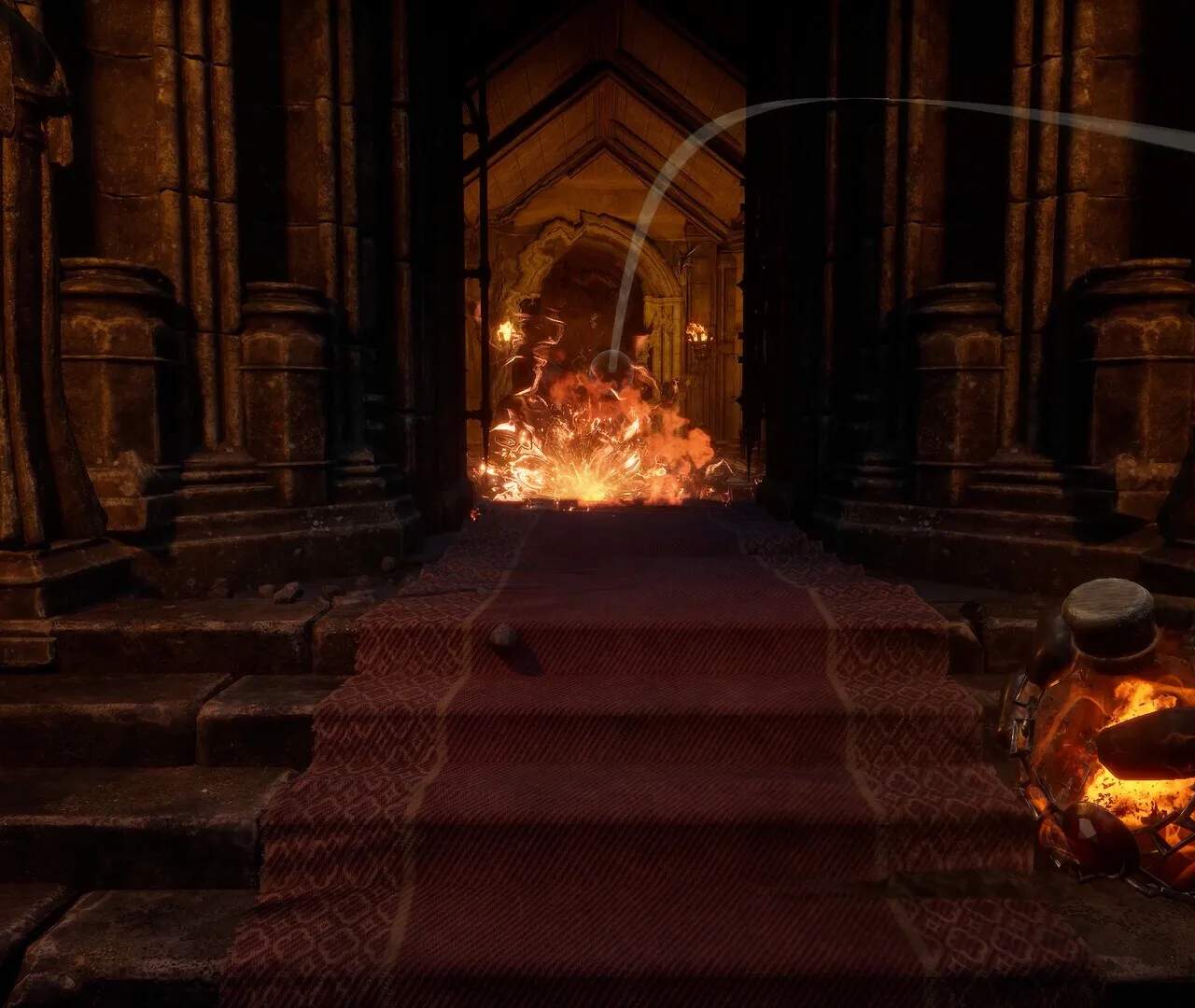
Dodging and Evasion (if applicable)
Dodging and evasion are critical defensive mechanics in Dungeonborne, allowing players to avoid incoming damage and reposition themselves to gain a tactical advantage. While not all classes may have dedicated dodge abilities, understanding how to utilize movement and positioning to evade attacks is paramount for survival, especially against powerful enemies with devastating strikes. This guide focuses on the principles of evasion and how to effectively implement them.
The fundamental principle of dodging is to move out of the path of an incoming attack. This often involves a quick directional input, such as a sidestep, a roll, or a short dash. The timing of these evasive maneuvers is crucial. Dodging too early might mean you are still in the attack's area of effect when it lands, while dodging too late will result in taking damage. Learning the attack animations and telegraphs of enemies is key to mastering the timing of your dodges.
Many classes in Dungeonborne will have a dedicated 'dodge' or 'evade' ability. This might consume Stamina or have a short cooldown. For classes that don't have a specific dodge button, effective evasion relies on smart movement. This means constantly being aware of your surroundings, using terrain for cover, and quickly repositioning yourself to avoid enemy swings or projectiles. For example, a spellcaster might use a quick step backward or to the side to avoid a melee attack, while a melee fighter might use a short dash to get out of an area-of-effect spell.
The concept of 'invincibility frames' or 'i-frames' is often associated with dodging. During the animation of a dodge or evasion ability, a character might be temporarily immune to damage. Understanding when these i-frames occur can allow players to 'dodge through' attacks, effectively negating damage even if they are very close to the enemy. This is a high-level skill that requires precise timing and knowledge of enemy attack patterns.
Evasion is not just about avoiding damage; it's also about controlling the engagement. Successfully evading an attack can create an opening for a counter-attack, allow you to disengage and heal, or reposition yourself to a more advantageous spot. For example, dodging a powerful charge attack can leave the enemy vulnerable for a few moments, giving you a chance to strike back or escape.
Different classes will have different strengths and weaknesses when it comes to evasion. Agile classes might have more frequent or longer-duration dodges, while heavily armored classes might rely more on blocking or simply enduring hits. However, regardless of your class, developing good situational awareness and practicing precise movement will significantly improve your survivability. Mastering evasion means becoming a slippery target, difficult to pin down and capable of turning enemy aggression against them.