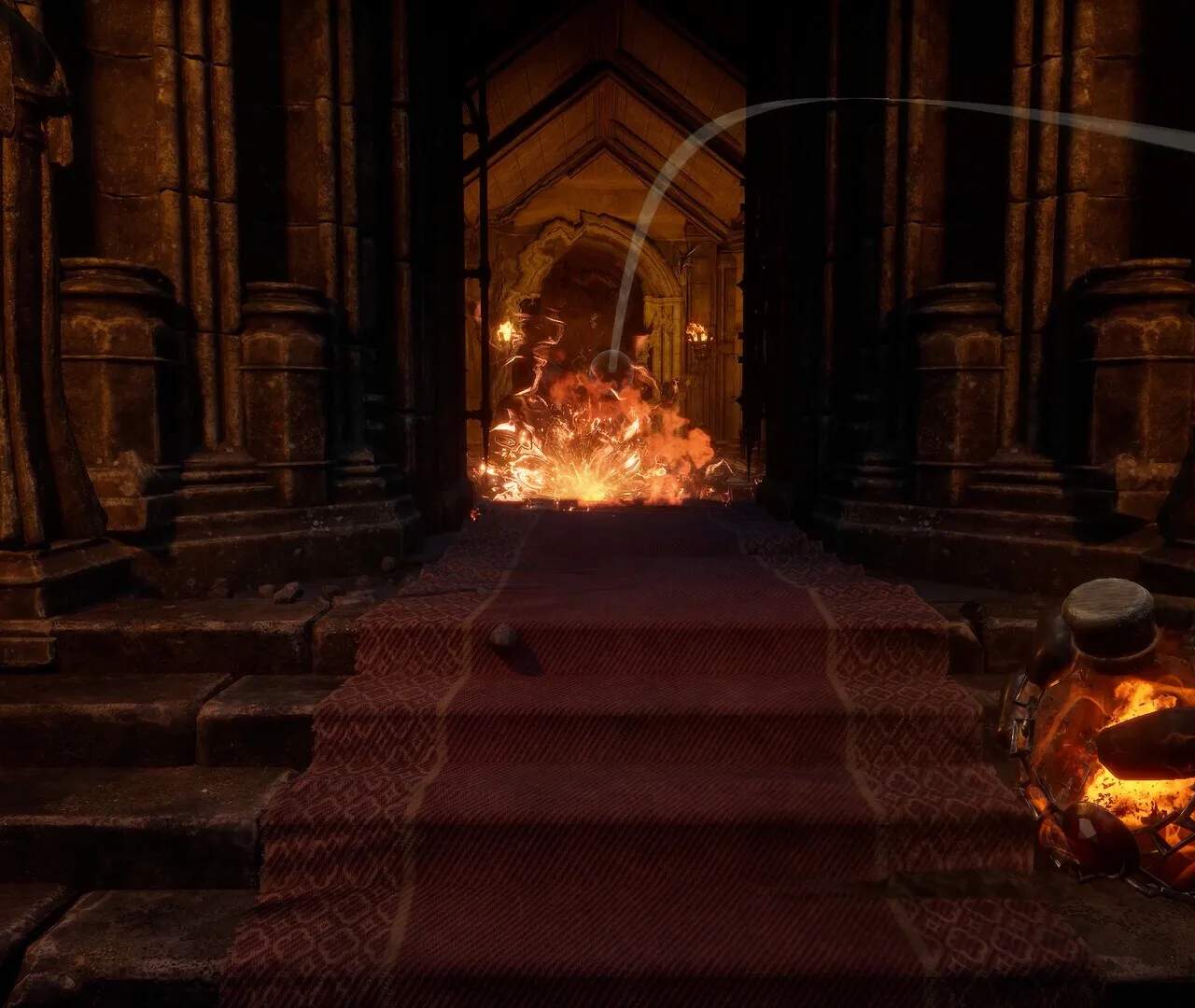
Common Enemies
Common enemies are the backbone of Dungeonborne's hostile encounters, populating the early and mid-game areas. While individually less threatening than elites or bosses, their sheer numbers and varied attack patterns can quickly overwhelm an unprepared adventurer. Mastering their behaviors is fundamental to efficient dungeon delving.
These are the creatures you'll face most frequently. They often patrol in small groups or lie in wait, ready to ambush unsuspecting players. Their dess are usually thematic to the dungeon environment, ranging from shambling undead in crypts to scurrying goblins in caves. Understanding their basic attack animations and movement speeds is the first step to dealing with them effectively.
Typical Traits of Common Enemies:
- Low Individual Threat: Their health pools and damage output are generally lower than other enemy types. They are designed to be manageable in small numbers.
- Group Tactics: Common enemies often rely on overwhelming numbers. They might swarm a player, flank them, or use basic coordinated attacks. Fighting them in open areas can be dangerous due to this.
- Predictable Attack Patterns: Their attacks are usually straightforward – a melee swing, a basic projectile, or a short-range AoE. Learning the wind-up animations for these attacks is key to dodging or blocking.
- Vulnerability to AoE: Due to their tendency to appear in groups, common enemies are often highly susceptible to area-of-effect (AoE) abilities and spells. Cleaving through multiple foes at once can be very efficient.
- Loot Potential: While they drop less valuable loot individually, accumulating drops from many common enemies can contribute significantly to your overall haul.
Examples of Common Enemy Archetypes (based on typical dungeon themes):
- Goblins/Kobolds: Small, agile humanoids often wielding crude melee weapons or short bows. They tend to attack in packs and can be quite evasive.
- Skeletons/Zombies: Undead creatures that are typically slow but resilient. They might wield rusty swords or simply try to overwhelm with sheer numbers and persistent attacks.
- Giant Rats/Spiders: Vermin that inhabit dark places. They are often fast and can inflict poison or other status effects.
- Cultists/Bandits: Humanoid enemies that might use a mix of melee and basic ranged attacks, sometimes with rudimentary magical abilities.
Strategies for Dealing with Common Enemies:
When encountering groups of common enemies, it's often best to try and isolate them or fight them in a controlled environment. Use choke points like doorways or narrow corridors to prevent being surrounded. Abilities that deal damage in an area, such as a warrior's cleave or a mage's fireball, are extremely effective. If you're playing a melee character, try to position yourself so that you can hit multiple enemies with each swing. For ranged characters, focus fire on one enemy at a time to quickly reduce their numbers, or use AoE spells to soften them up before engaging with single-target attacks. Always be aware of your surroundings; sometimes, a seemingly empty room can spawn a wave of common enemies.