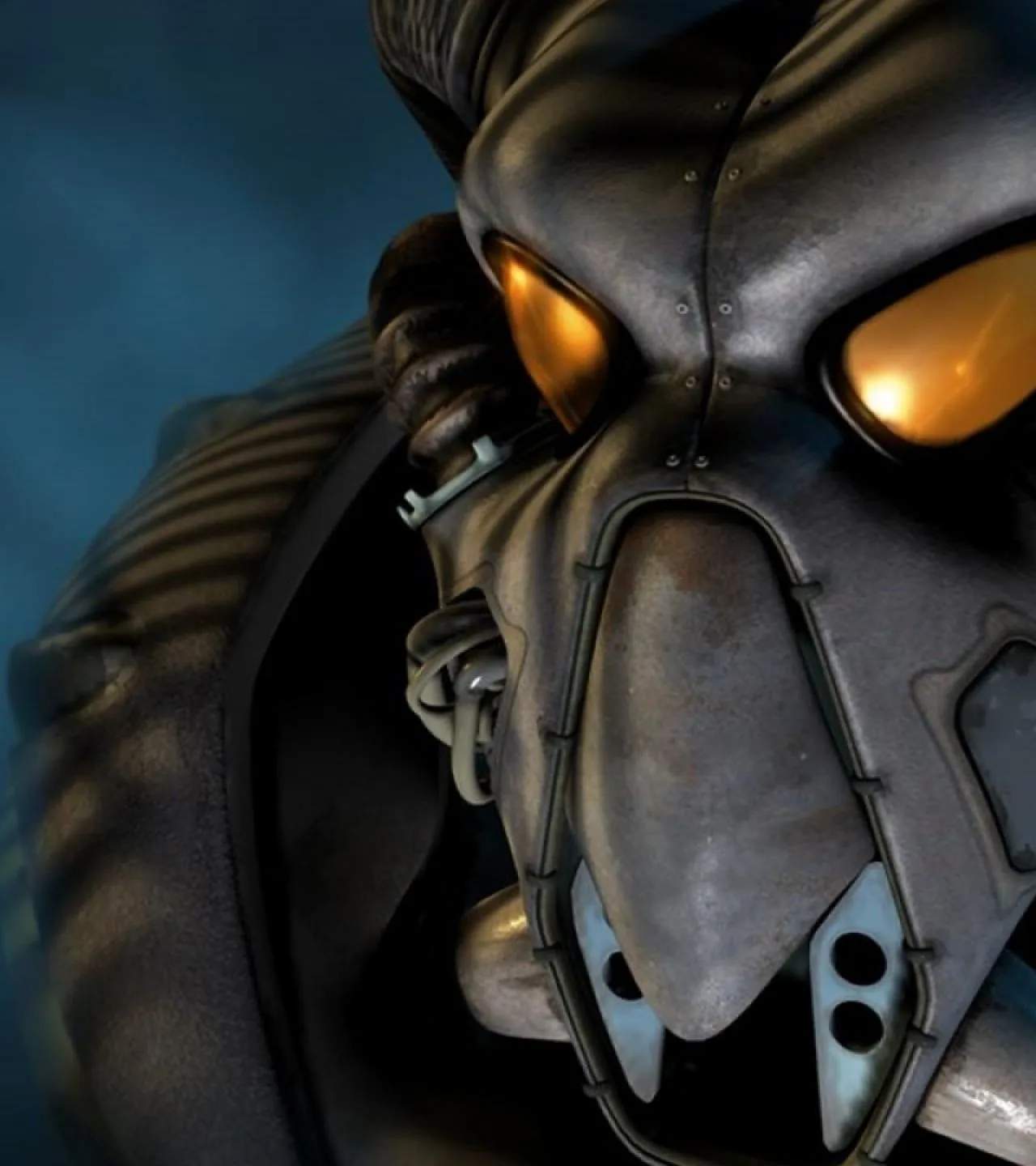
Combat System Explained
Combat in Fallout 2 is a turn-based affair, demanding strategic positioning, wise action point management, and a solid understanding of your character's capabilities and your enemies' weaknesses. Unlike real-time combat, each turn offers a chance to meticulously plan your moves, making every action count.
Understanding Action Points (AP)
Your Action Points (AP) are the lifeblood of combat. Every action, from moving to attacking, consumes AP. Your initial AP is determined by your Agility stat, with higher Agility providing more AP per turn. This is crucial for characters focusing on multiple attacks or extensive movement.
- Movement: Each hex moved consumes 1 AP. Plan your path carefully to avoid wasting AP.
- Attacks: The AP cost for attacks varies greatly depending on the weapon and the attack type (single shot, burst, aimed shot).
- A standard single shot with a small firearm like the 10mm Pistol typically costs 4-5 AP.
- Burst fire, available on weapons like the H&K G11, can consume 5-6 AP but sprays a cone of bullets, potentially hitting multiple targets or a single target multiple times.
- Aimed shots, performed by right-clicking on an enemy and selecting a body part, usually cost 1-2 AP more than a standard shot but offer a chance for critical hits and specific limb damage.
- Reloading: Reloading a weapon typically costs 2 AP. Always consider this when planning your turns, especially with weapons that have small magazine capacities.
- Item Use: Using items like a Stimpak or a RadAway usually costs 3-4 AP. It's often safer to use these when out of immediate danger or when you have spare AP.
Weapon Skills and Proficiency
Your character's combat effectiveness is directly tied to their weapon skills. Investing skill points into specific weapon categories is paramount.
- Small Guns: Essential for early game and versatile throughout. Weapons like the Desert Eagle and Assault Rifle fall under this category. High Small Guns skill ensures better hit chances and damage.
- Big Guns: For heavy firepower. Weapons such as the Minigun and Rocket Launcher require high Big Guns skill. These are AP-intensive but devastating.
- Energy Weapons: Advanced weaponry like the Plasma Rifle and Laser Pistol. Excellent for late-game encounters, often bypassing armor more effectively.
- Melee Weapons: For close-quarters combat. A good choice for high Strength and Agility builds. The Super Sledge is a prime example of a powerful melee weapon.
- Unarmed: Fighting with your fists or brass knuckles. Can be surprisingly effective with the right perks and high Strength/Agility.
Targeting Specific Body Parts (Aimed Shots)
Aimed shots are a powerful tactical option, allowing you to target specific body parts for various effects. Right-click on an enemy during combat and select "Aimed Shot" to bring up the targeting reticle.
- Head: Increased chance for critical hits, often leading to instant kills or massive damage. However, it's harder to hit. Ideal for taking down high-priority targets quickly.
- Eyes: Even harder to hit than the head, but a successful hit can blind the enemy, severely reducing their combat effectiveness.
- Arms: Can disarm opponents or reduce their accuracy. Useful against heavily armed foes.
- Legs: Can cripple movement, making it easier to kite or escape from fast enemies. Excellent for slowing down melee attackers like Deathclaws.
- Torso: A more reliable hit chance than headshots, still offering good damage.
- Groin: Can stun or inflict critical damage, particularly effective against male humanoids.
Strategic Positioning and Cover
Positioning is key to survival. Always try to utilize cover to reduce incoming damage. Objects like crates, walls, and even large rocks can provide a cover bonus, decreasing the enemy's chance to hit you.
- Line of Sight: Ensure you have a clear line of sight to your targets, but also consider breaking their line of sight to you after your turn.
- Chokepoints: Funnel enemies into narrow passages to control the battlefield, especially useful when dealing with multiple opponents.
- High Ground: While not explicitly modeled with bonuses, being on higher ground can sometimes offer better firing angles and prevent enemies from easily closing the distance.
Companions in Combat
Your companions are invaluable assets. You can issue basic commands to them, such as "Attack," "Hold Position," or "Use Stimpak." Equip them with appropriate gear and weapons that complement their skills.
- Vic: Early game, Vic is decent with Small Guns. Give him a 10mm SMG or a good pistol.
- Cassidy: A sharpshooter with Small Guns. Equip him with an Assault Rifle or a Hunting Rifle for maximum effectiveness.
- Sulik: A melee powerhouse. Provide him with a Super Sledge or a strong melee weapon.
Remember, friendly fire is a real threat. Be mindful of your companions' positions, especially when using burst fire or explosives.
General Combat Tips
- Save Frequently: Before and during challenging encounters. Fallout 2 is unforgiving.
- Scout Ahead: Use your Perception to spot enemies before they spot you.
- Prioritize Targets: Take out the most dangerous enemies first (e.g., those with heavy weapons or high damage output).
- Use Drugs Wisely: Jet for extra AP, Buffout for Strength and HP, Psycho for damage resistance. Be aware of addiction risks.
- Carry Multiple Weapon Types: Different enemies have different resistances. A Plasma Rifle might be great against armored foes, but a Gauss Rifle could be better for critical hits.