Paralogue 21: The Loyal Knight
Gameplay maps in the Fire Emblem series are grid-based, with unit movement determined by their Movement stat. Units like Pegasus Knights, capable of flight, can traverse terrain that impedes other units. Terrain can provide bonuses, such as increased evasion from trees, or penalties, like damage from poisonous ground, varying between games and maps.
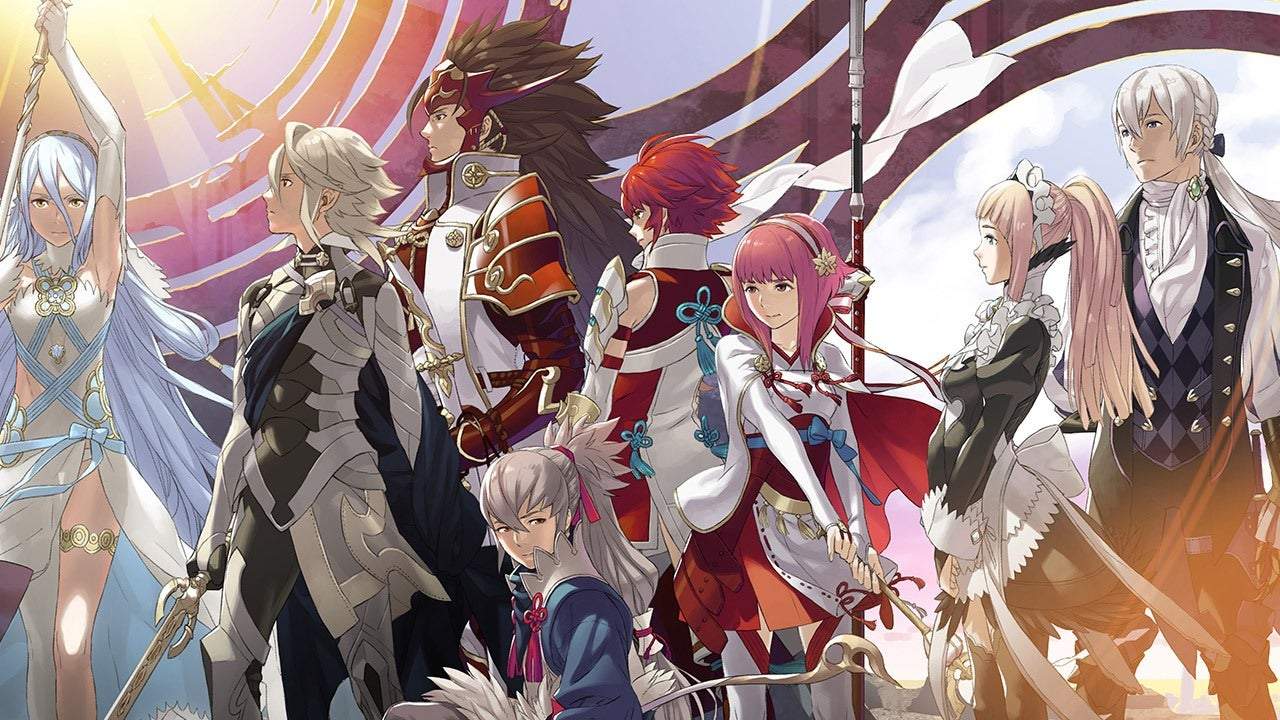
The Fire Emblem series draws heavily from medieval European themes, blending knights and magic with mythical elements like dragons and pegasi. Norse Mythology is a strong influence, alongside references to Arthurian legends in some entries. More recent games, such as Fates, have incorporated broader cultural inspirations, notably blending feudal Japanese themes and aesthetics into its world and story, particularly with the nation of Hoshido.
Fire Emblem: Genealogy of the Holy War, the fourth game in the series, introduced several unique mechanics. Chapters are fewer but maps are exceptionally large, often equivalent to multiple levels from other titles. To compensate, it was the first game to allow saving at any point, a feature that would not return until Radiant Dawn. The entire army can be deployed, and players can pay to reforge broken weapons. However, units have individual money supplies and cannot easily trade items. Class changes require returning to the main castle and do not reset levels. The game also expanded the skill system, making abilities like counter-attacking or making a second attack unique to specific units and bloodlines, and introduced new skills that became recurring features in later games.