Paralogue 4: The Silent Knight introduces core gameplay mechanics like movement, terrain, and unit types. Maps are grid-based, and characters move a set number of squares based on their Movement stat. Terrain can offer bonuses, like increased evasion from trees, or penalties, such as damage from poisonous ground. Flying units, like Pegasus Knights, can bypass certain terrain.
Movement and Terrain
Understanding movement and terrain is crucial for success in Fire Emblem: Fortune's Weave. Each character has a Movement stat dictating how many squares they can traverse per turn. The map is divided into a grid, and strategic positioning is key.
- Movement Stat: Determines the maximum range a character can move.
- Terrain Bonuses: Standing on certain terrain types can provide advantages. For example, trees may make a character harder to hit.
- Terrain Penalties: Conversely, some terrain can inflict damage, such as poisonous ground.
- Flying Units: Units like Pegasus Knights can ignore terrain restrictions, allowing them to move over obstacles that would impede ground units.
Thematic Influences
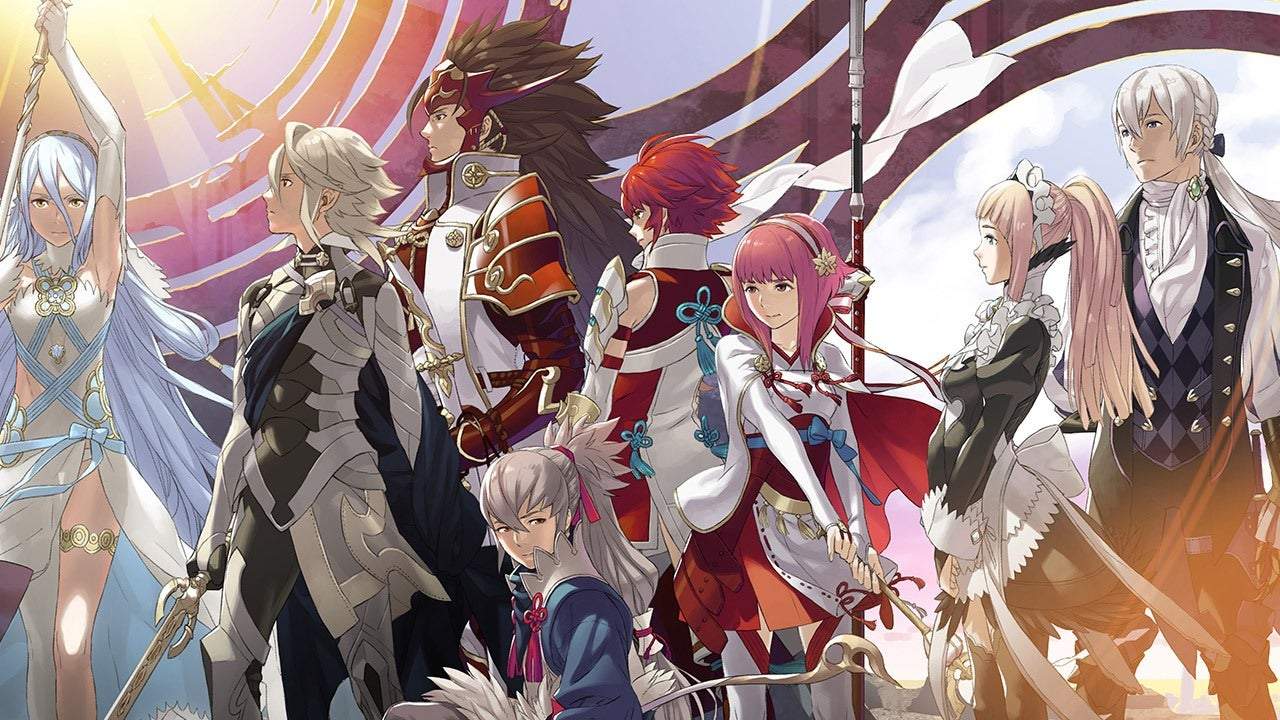
The overarching design of the Fire Emblem series draws heavily from medieval Europe, blending knights and magic with mythical creatures like dragons and pegasi. Norse Mythology is a strong influence, as are Arthurian legends in certain entries. More recent titles, such as Fates, have incorporated themes and aesthetics from other cultures, notably feudal Japan with the nation of Hoshido.