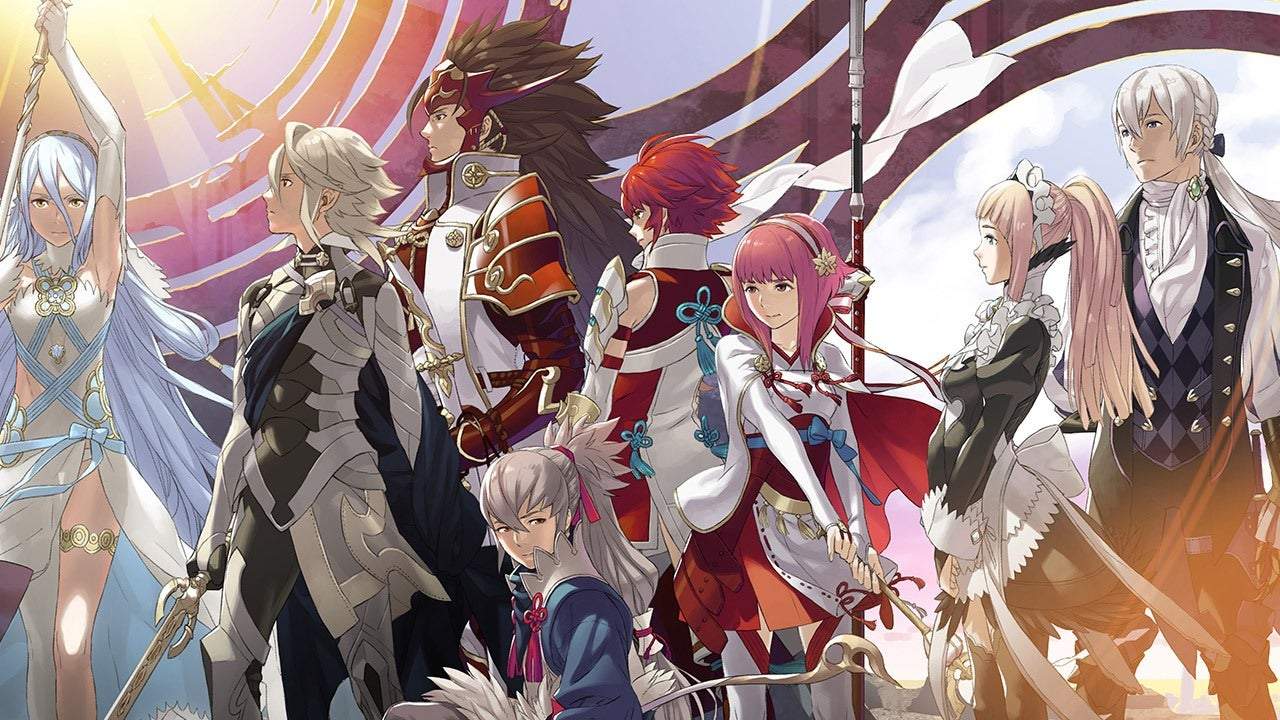
Chapter 28: The End of All
Explore the historical foundations and significant innovations that shaped the Fire Emblem series, from its origins on the Famicom to the introduction of key gameplay features like reclassing and various difficulty modes.
The Fire Emblem franchise began on April 20, 1990, with the release of Fire Emblem: Shadow Dragon and the Blade of Light for the Family Computer, developed by Intelligent Systems and exclusive to Japan. Shouzou Kaga is credited as the main creative contributor for this game and all titles up to Fire Emblem: Thracia 776.
The series established conventions for the tactical RPG genre, blending chess-like strategy with RPG mechanics such as:
- Characters gaining experience from battle to grow stronger.
- Swapping character equipment based on need.
For twelve years, five more Japan-exclusive titles were released, culminating in Fire Emblem: The Binding Blade in 2002 for the Game Boy Advance.
Significant developments include:
- BS Fire Emblem: Archanea War Chronicles: A Super Famicom sidestory using the Mystery of the Emblem engine. This set of four chapters focused on survival and loot collection, serving as prequels or sidestories to Mystery of the Emblem.
- New Mystery of the Emblem: Heroes of Light and Shadow (DS): A remake of the third game, it introduced several key features:
- Expanded character personality through the Support mechanic.
- Reclassing: Granting characters a pool of additional classes to reset levels, allowing for stat-farming and skill-tweaking.
- The self-insert My Unit playable character.
- Casual Mode: Allowing players to disable permanent death, with defeated characters benched but not permanently lost.
- Fire Emblem: Genealogy of the Holy War (SNES): The fourth game, it broke the mold with:
- Gigantic maps, often the size of multiple levels from other titles, with multiple objectives.
- The ability to save at any point, a feature that would not return until Radiant Dawn.
- The entire army can always be deployed.
- Weapons can be reforged.
- Units cannot easily trade items and have individual money supplies.
- Class changes require returning to the main castle and do not reset levels.
- An expanded skill system, where abilities like counter-attacking or making a second attack are unique to specific units and bloodlines. This system introduced new skills that frequently reappear in later games.