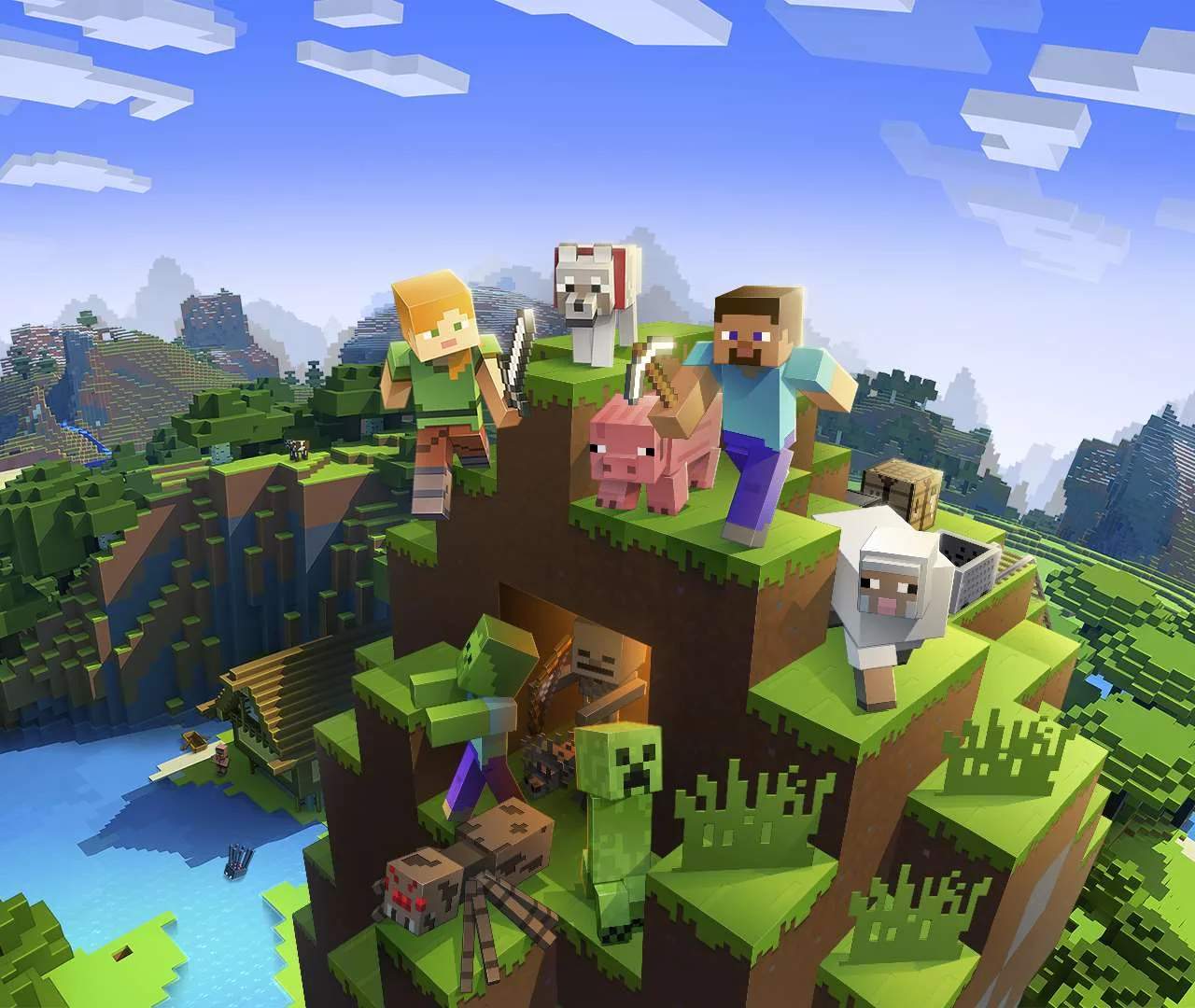
Overworld Biomes in Minecraft
The Overworld in Minecraft is a procedurally generated landscape teeming with diverse environments known as biomes. Each biome offers unique terrain, flora, fauna, and resources, shaping your survival experience and encouraging exploration. From lush forests to arid deserts and frozen tundras, understanding these distinct regions is key to finding what you need and navigating the world effectively. This guide explores the variety of biomes you'll encounter.
Biomes are the fundamental building blocks of Minecraft's surface generation. They dictate everything from the color of the grass and trees to the types of mobs that spawn and the availability of specific resources. Discovering new biomes is a core part of the Minecraft adventure, often leading to exciting new challenges and opportunities.
Here's a look at some of the major biome categories and their characteristics:
- Forest Biomes: These are characterized by abundant trees, providing a steady supply of wood. They are generally safe and offer good starting locations. Examples include Oak Forests, Birch Forests, Dark Oak Forests, and Flower Forests.
- Plains Biomes: Vast, open areas with rolling hills and minimal trees. They are excellent for building large structures and for spotting mobs from a distance. Plains often contain villages.
- Desert Biomes: Arid landscapes with sand, cacti, and sandstone. They offer unique resources like sand and sandstone but can be challenging due to limited water and shade. Desert wells and temples are common features.
- Savanna Biomes: A mix of plains and scattered acacia trees. These biomes often feature dramatic rock formations and can be quite picturesque.
- Jungle Biomes: Dense, humid environments with tall trees, vines, and exotic plants. Jungles are rich in resources but can be difficult to navigate and are home to unique mobs like parrots.
- Ocean Biomes: Vast bodies of water with varying depths, coral reefs, and underwater structures like shipwrecks and ocean ruins. They are crucial for obtaining kelp, prismarine, and for travel.
- Mountain Biomes: Towering peaks with steep cliffs and often snow-capped summits. They offer excellent vantage points and unique ore veins but can be treacherous to traverse.
- Swamp Biomes: Damp, murky areas with shallow water, lily pads, and unique trees like oak and swamp oak. Slimes often spawn here, and witch huts can be found.
- Taiga Biomes: Cold, coniferous forests with spruce trees and wolves. They can be snowy or temperate and are often home to villages.
- Mushroom Fields: Rare and peaceful biomes characterized by giant mushrooms and mycelium. Hostile mobs do not spawn here naturally, making them safe havens.
Biome Generation and Exploration:
Biomes are generated based on a complex algorithm that considers factors like temperature, humidity, and altitude. When you create a new world, the game generates a vast map divided into these distinct regions. Exploration is key to discovering the full spectrum of biomes available.
Tips for Biome Exploration:
- Use Maps: Crafting maps allows you to chart the areas you've explored, making it easier to find your way back or to identify unexplored regions.
- Travel by Horse or Boat: These modes of transport sificantly increase your travel speed across land and water, respectively, allowing you to cover more ground.
- Build Outposts: Establish small bases in different biomes to serve as respawn points and storage locations, making it easier to return to areas you want to explore further.
- Observe the Sky and Flora: The color of the grass, the types of trees, and even the weather patterns are strong indicators of the biome you are in.
Each biome presents its own set of challenges and rewards. Understanding these differences will help you adapt your strategies, gather the necessary resources, and truly appreciate the diversity of the Minecraft world.
| Biome Category | Key Features | Common Resources |
|---|---|---|
| Forest | Abundant trees | Wood, saplings |
| Plains | Open, rolling hills | Grass, wheat (in villages) |
| Desert | Sand, cacti | Sand, sandstone, cactus |
| Jungle | Dense trees, vines | Wood, cocoa beans, parrots |
| Ocean | Water, coral reefs | Kelp, prismarine, fish |