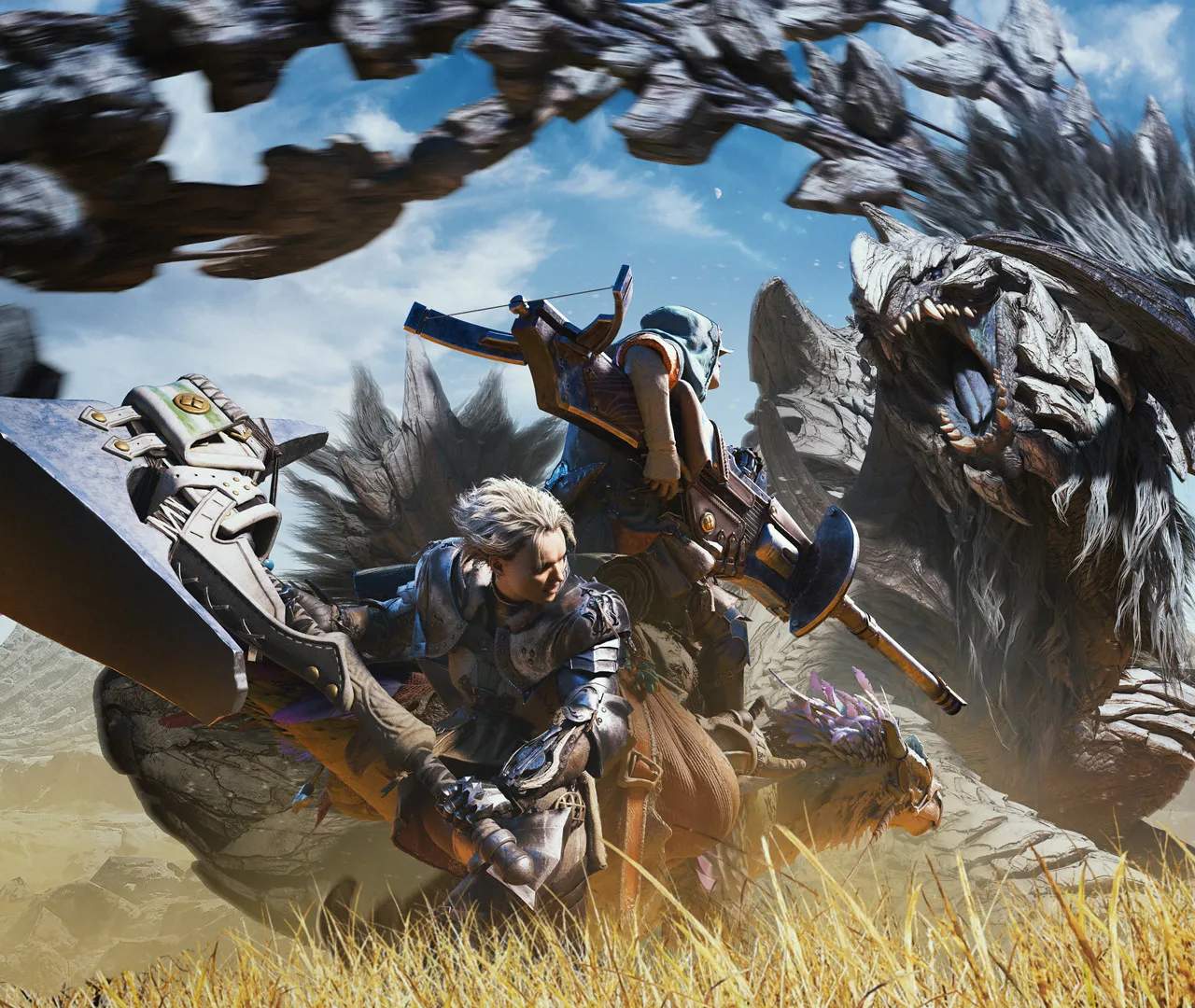
Achieve ultimate hunting prowess in Monster Hunter Wilds by crafting the best end-game builds. This guide provides insights into optimizing your gear, skills, and strategies to tackle the most challenging monsters and content the game has to offer.
End-Game Build Philosophy
End-game builds in Monster Hunter Wilds are all about maximizing efficiency and synergy. This means selecting armor sets, decorations, and weapons that work together to provide sificant boosts to your chosen playstyle, whether it's raw damage, elemental damage, support, or survivability. The goal is to overcome the toughest monsters with the least amount of struggle.
Key Components of an End-Game Build
A successful end-game build typically consists of the following:
- Weapon: The cornerstone of your build, chosen for its raw power, elemental affinity, sharpness, and unique skills. For example, a Thunder-elemental weapon might be ideal against a monster weak to Thunder.
- Armor Set: Armor pieces provide base defense and crucial skills. Often, players mix and match pieces from different sets to achieve the optimal combination of skills for their weapon and playstyle.
- Decorations: These are slots within your armor and weapon that allow you to socket gems, further customizing your build with additional skills or skill points.
- Charms: Talismans that provide innate skills or skill points, often obtained through melding or specific quests.
- Palico Gadgets: While not part of your personal build, your Palico's equipment and chosen gadgets can sificantly support your efforts.
Common End-Game Skill Synergies
Certain skills are almost universally beneficial in the end-game, while others are highly specialized:
- Offensive Skills: Attack Boost, Critical Eye, Weakness Exploit, Critical Boost, Agitator, Elemental Attack Up (specific to weapon element).
- Defensive Skills: Health Boost, Divine Blessing, Guard (for shield weapons), Evade Window, Evade Extender.
- Utility Skills: Earplugs (to negate roars), Tremor Resistance, Windproof, Speed Sharpening, Handicraft (for sharpness management).
Example Build Archetypes (Conceptual)
While specific meta builds will emerge, general archetypes include:
- Raw Damage Build: Focuses on maximizing physical attack power and critical hit chance, often using weapons with high raw damage and skills like Attack Boost and Weakness Exploit.
- Elemental Damage Build: Tailored to exploit monster elemental weaknesses, using weapons with high elemental values and skills like corresponding Elemental Attack Up.
- Support Build: Prioritizes healing and buffing allies, using skills like Wide-Range, Speed Eating, and Palico-focused skills.
- Tank Build: Focuses on survivability and drawing monster aggro, utilizing high defense, Guard skills, and health-boosting abilities.
Crafting and Optimization Strategies
The process of creating an end-game build involves:
- Identifying Your Playstyle: What weapon do you enjoy most? What role do you want to play?
- Researching Monster Weaknesses: Target monsters with specific elemental or status vulnerabilities.
- Acquiring High-Tier Gear: Farm the most powerful weapons and armor sets from high-rank or master-rank monsters.
- Optimizing Decorations and Charms: This is often the most time-consuming part, requiring dedicated farming for the best gems.
- Testing and Refining: Take your build into hunts and adjust based on performance.
The Balahara Encounter Example
The reference material mentions a fight against the Balahara, a desert leviathan. Effective strategies involve using Thunder element, Flash Pods, Shock Traps, Pitfall Traps, and Sonic Bombs. An end-game build for this fight would likely incorporate Thunder attack skills, trap duration extenders, and potentially skills to counter its quicksand traps or heightened hearing.