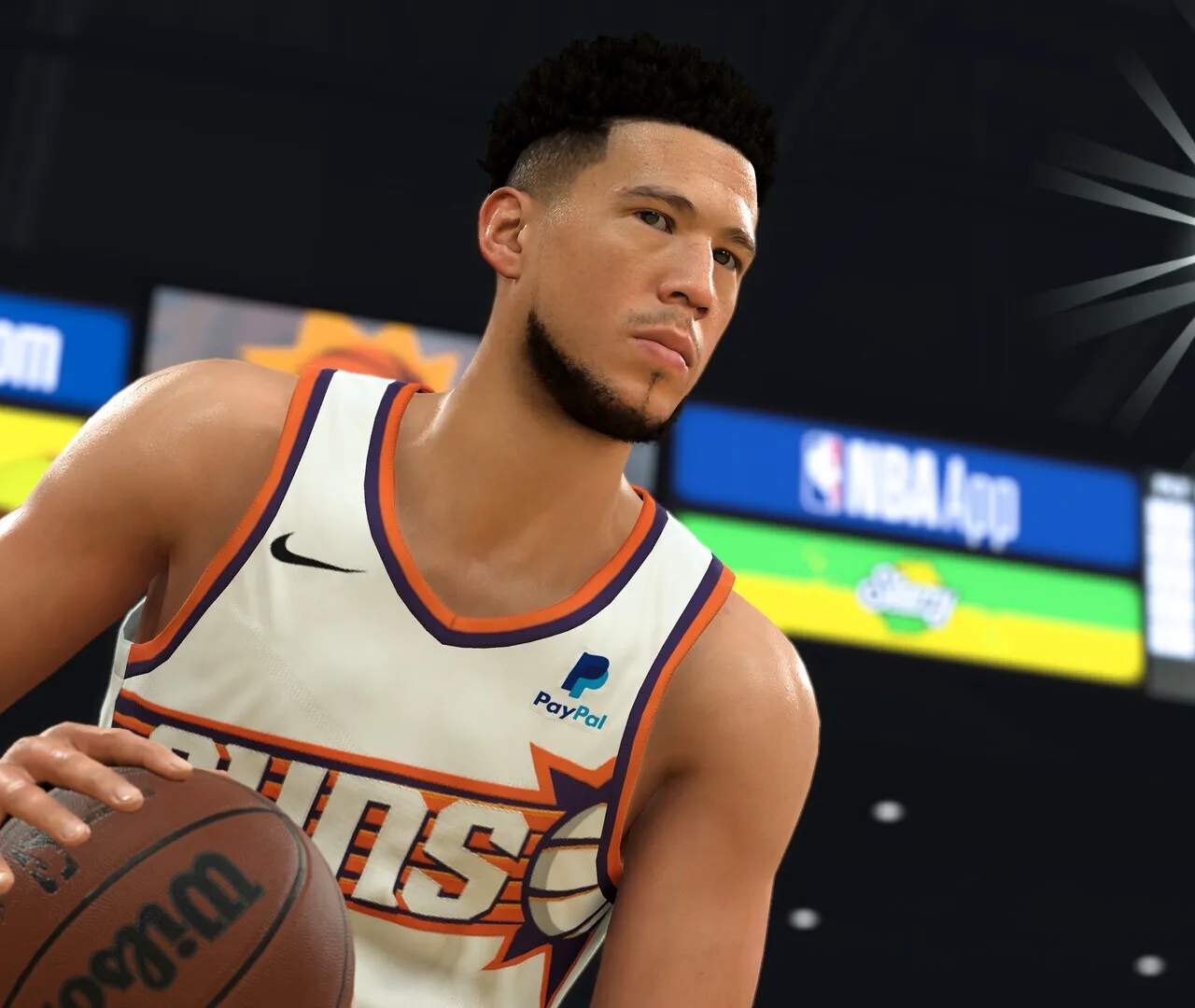
Trading & Free Agency Strategies (MyNBA/MyLEAGUE)
Mastering the trade and free agency markets in MyNBA and MyLEAGUE is crucial for building a championship contender. This guide will walk you through advanced strategies to acquire talent, manage your cap, and dominate the league for years to come.
Understanding Player Value & Trade Logic
NBA 2K24's trade logic is complex but predictable once you understand its core principles. Player value is determined by a multitude of factors, including:
- Overall Rating (OVR): The most obvious factor. Higher OVR players demand more.
- Potential (POT): High potential players, especially young ones, are highly coveted.
- Age: Younger players (under 26) generally have higher trade value than older veterans, even with similar OVRs.
- Contract Status: Players on team-friendly contracts (long-term, low salary for their OVR) are extremely valuable. Expiring contracts can be useful for salary matching or acquiring draft picks.
- Badges & Tendencies: Specific badges (e.g., HOF Limitless Range, HOF Anchor) and positive tendencies (e.g., High Pass Accuracy, Low Turnover) can significantly boost a player's perceived value.
- Team Needs: The AI will value players differently based on their current roster construction. A team desperate for a point guard will pay more for one.
- Draft Picks: Future first-round picks, especially unprotected ones, are the most valuable trade assets. Second-round picks have less value but can be useful for sweetening deals or acquiring minor pieces.
Pre-Draft Scouting & Asset Accumulation
The draft is your primary source of cheap, high-potential talent. Don't wait until draft night to start planning.
- Scouting Focus: In the Scouting menu (accessible from the Front Office tab), allocate your scouting points strategically. Prioritize players with A- or A potential. Focus on positions where your team has long-term needs.
- Trade for Picks: Before the trade deadline or leading up to the draft, actively seek out teams with multiple future first-round picks or those likely to finish at the bottom of the standings. Offer veteran players on expiring contracts or slightly overpaid role players for these picks. Use the Trade Finder to identify potential partners.
- "Draft and Stash" Strategy: If you have multiple first-round picks, consider drafting international prospects who can be "stashed" overseas for a year or two. This allows them to develop without taking up a roster spot or salary cap space immediately.
Trade Deadline Mastery
The trade deadline (typically in February) is a critical period for roster adjustments.
- Buyers vs. Sellers:
- As a Buyer: If you're a contender, look for players on expiring contracts from rebuilding teams. These You can often be acquired for less than their true value as their current team wants to avoid losing them for nothing in free agency. Focus on filling specific roster holes (e.g., a backup big, a 3&D wing).
- As a Seller: If you're rebuilding, trade away any veteran players on expiring contracts who won't be part of your long-term plans. Seek out young prospects or future first-round picks in return. Don't be afraid to take on a bad contract for a year or two if it comes with a valuable draft pick.
- Salary Matching: Always be mindful of salary matching rules. In MyNBA/MyLEAGUE, you generally need to send out 75% to 125% of the salary you're acquiring (this can vary slightly based on team salary and luxury tax status). Use the Trade Proposal screen to see if a trade is legal.
- "Trade Block" Utilization: Place players you want to trade on the Trade Block (in the Roster menu). This will generate more trade offers from the AI, giving you more options.
Free Agency Domination
Free agency is where you can land star players or fill out your roster with key role players.
- Cap Space Management:
- Clear Space Early: If you plan to pursue a max-contract free agent, ensure you have sufficient cap space BEFORE free agency begins. This often means trading away overpaid players or letting expiring contracts walk. Check your Salary Cap screen (under Front Office) regularly.
- Bird Rights: Understand Bird Rights. If you have a player's Bird Rights, you can re-sign them for more than the cap allows, even if you are over the cap. This is crucial for retaining your own stars.
- Targeting Free Agents:
- Prioritize Needs: Identify your team's biggest weaknesses. Don't overpay for a player at a position where you already have strong talent.
- Player Interest: In the Free Agency screen, check the "Interest" column for each player. Players with "High" or "Very High" interest are more likely to sign with you. Factors influencing interest include your team's prestige, current roster, coaching staff, and market size.
- Contract Offers: Start with reasonable offers. Don't immediately offer max contracts unless absolutely necessary. Often, you can get a player for slightly less than their initial demand. Pay attention to the "Likelihood to Sign" meter.
- Player Roles: When negotiating, you can offer specific player roles (e.g., "Franchise Player," "Starter," "6th Man"). Offering a more prominent role can sometimes sway a player, especially if they are choosing between multiple teams.
- Recruiting Pitches: During the negotiation phase, you can make specific recruiting pitches (e.g., "Winning Culture," "Financial Security," "Role on Team"). Tailor these to the player's personality and stated preferences.
- Mid-Level Exception (MLE) & Bi-Annual Exception (BAE): If you are over the cap but not in the luxury tax, you can use the MLE (typically around $10-12M) and BAE (around $4-5M) to sign free agents. These are invaluable for adding quality role players.
Contract Extensions & Player Morale
Managing your current roster's contracts and morale is just as important as acquiring new talent.
- Early Extensions: If you have a young, developing star on a rookie contract, consider offering an extension before their value explodes. This can save you significant cap space in the long run. Access this from the Roster menu, then select You and choose Offer Extension.
- Player Morale: Keep an eye on player morale (visible in the Roster and Team Chemistry screens). Unhappy players are more likely to demand trades or leave in free agency. Winning, playing time, and good team chemistry all contribute to high morale.
- Trade Demands: If a star player demands a trade, try to resolve their issues first. If that fails, move them quickly to maximize your return before their value plummets.
By consistently applying these strategies, you'll be well on your way to building a dynasty in NBA 2K24's MyNBA and MyLEAGUE modes.