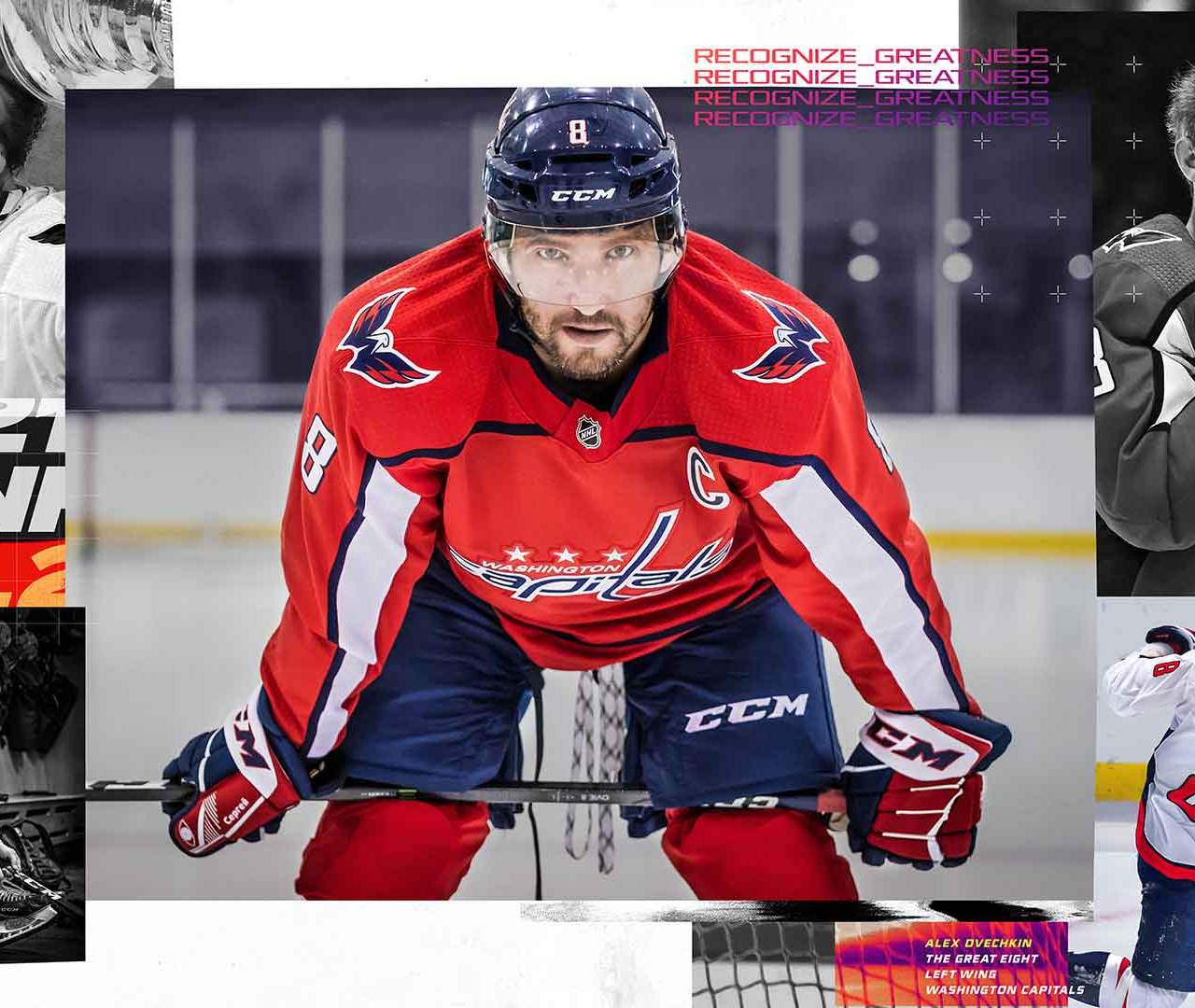
Advanced Player Movement
Mastering player movement in NHL 27 is crucial for dominating on the ice. Beyond basic skating, understanding advanced maneuvers will allow you to outwit opponents, create scoring chances, and defend effectively. This section delves into the nuances of player control, focusing on techniques that separate skilled players from the rest. We'll explore how to leverage momentum, execute precise turns, and utilize player-specific attributes to your advantage. Proper execution of these movements can be the difference between a breakaway goal and a turnover, or a clean block and a penalty. The game's engine is designed to reward skillful input, so dedicating time to practicing these techniques will yield significant returns in your overall gameplay performance. Remember that each player has unique skating attributes, so adapting your movement style to suit You you control is also a key component of advanced play.
The foundation of advanced movement lies in understanding how to manipulate your player's momentum and balance. Unlike simpler sports titles, NHL 27 simulates the physics of hockey with a degree of realism, meaning abrupt changes in direction or speed can lead to loss of control. Learning to feather your acceleration and deceleration, and to anticipate the flow of the game, will allow for smoother transitions between offensive and defensive plays. This includes mastering the subtle art of the deke, which isn't just about stickhandling but also about using your body and skating to sell a move. For instance, a well-timed crossover can create separation from a defender, while a quick burst of speed can exploit an opening in the neutral zone. Pay close attention to the player's body language on screen; it often provides visual cues about their current momentum and stability, which can inform your next move. The game's control scheme is designed to offer a wide range of options, but it's the intelligent application of these controls that truly elevates your gameplay. Mastering these advanced techniques will not only make you a more formidable opponent but also a more engaging player to control.
Skating Mechanics
The core of advanced player movement revolves around precise skating control. This includes not only forward and backward skating but also the ability to execute sharp turns and quick stops. The game allows for nuanced control over acceleration and deceleration, enabling players to build speed gradually or come to a sudden halt to change direction. Mastering the use of the analog sticks for both direction and speed control is paramount. For example, a quick flick of the left analog stick can initiate a sharp turn, while holding down the acceleration button will allow for maximum speed. Understanding player inertia is also key; attempting to make a drastic turn at high speed will often result in a loss of balance or a wide arc, leaving you vulnerable. Therefore, anticipating the play and setting up your turns in advance is a vital skill. The game's physics engine rewards players who can effectively manage their player's momentum, allowing for fluid transitions between offensive rushes and defensive positioning. Practicing these fundamental skating maneuvers until they become second nature will form the bedrock of your advanced movement repertoire.
Agile Deke Maneuvers
Deking is an art form in NHL 27, and mastering agile deke maneuvers can unlock a new dimension of offensive creativity. These aren't just simple button presses; they involve a combination of stickhandling, body fakes, and skating adjustments to fool opposing players. For instance, the "toe drag" is a classic move that can be executed by quickly pulling the puck back with the stick and then pushing it forward again, often accompanied by a slight lateral shift of the player's body. Another effective maneuver is the "between-the-legs deke," which can be used to surprise a defender who is closing in. The success of these dekes often depends on the timing and the defender's positioning. A well-timed deke can create a clear shooting lane or draw a penalty. It's also important to note that different players have varying deking abilities, so understanding your player's strengths in this area is crucial. Experimenting with different deke combinations and practicing them in various game scenarios will help you develop a repertoire that can be deployed effectively against human and AI opponents alike. The key is to make your movements unpredictable and to use your player's agility to your full advantage.
Body Positioning and Balance
Maintaining proper body positioning and balance is fundamental to both offensive and defensive success in NHL 27. On offense, using your player's body to shield the puck from defenders is essential, especially when battling in the corners or in front of the net. This involves using the left analog stick to subtly adjust your player's stance and lean into the defender, making it harder for them to dislodge the puck. On defense, effective body positioning means cutting off passing lanes, forcing opponents to the outside, and making it difficult for them to get to the net. This often involves anticipating the opponent's move and positioning your player to intercept their path or block their shot. Balance is directly tied to momentum; sudden stops or turns at high speeds can lead to a loss of balance, making your player susceptible to hits or turnovers. Learning to maintain a stable base, even when under pressure, is a skill that develops with practice. Understanding how to use your player's weight and strength to your advantage, whether it's to win a board battle or to hold off a defender, is a critical aspect of advanced player control. The game's physics engine accurately reflects how these physical interactions play out, rewarding players who can effectively manage their player's balance and leverage their physical attributes.