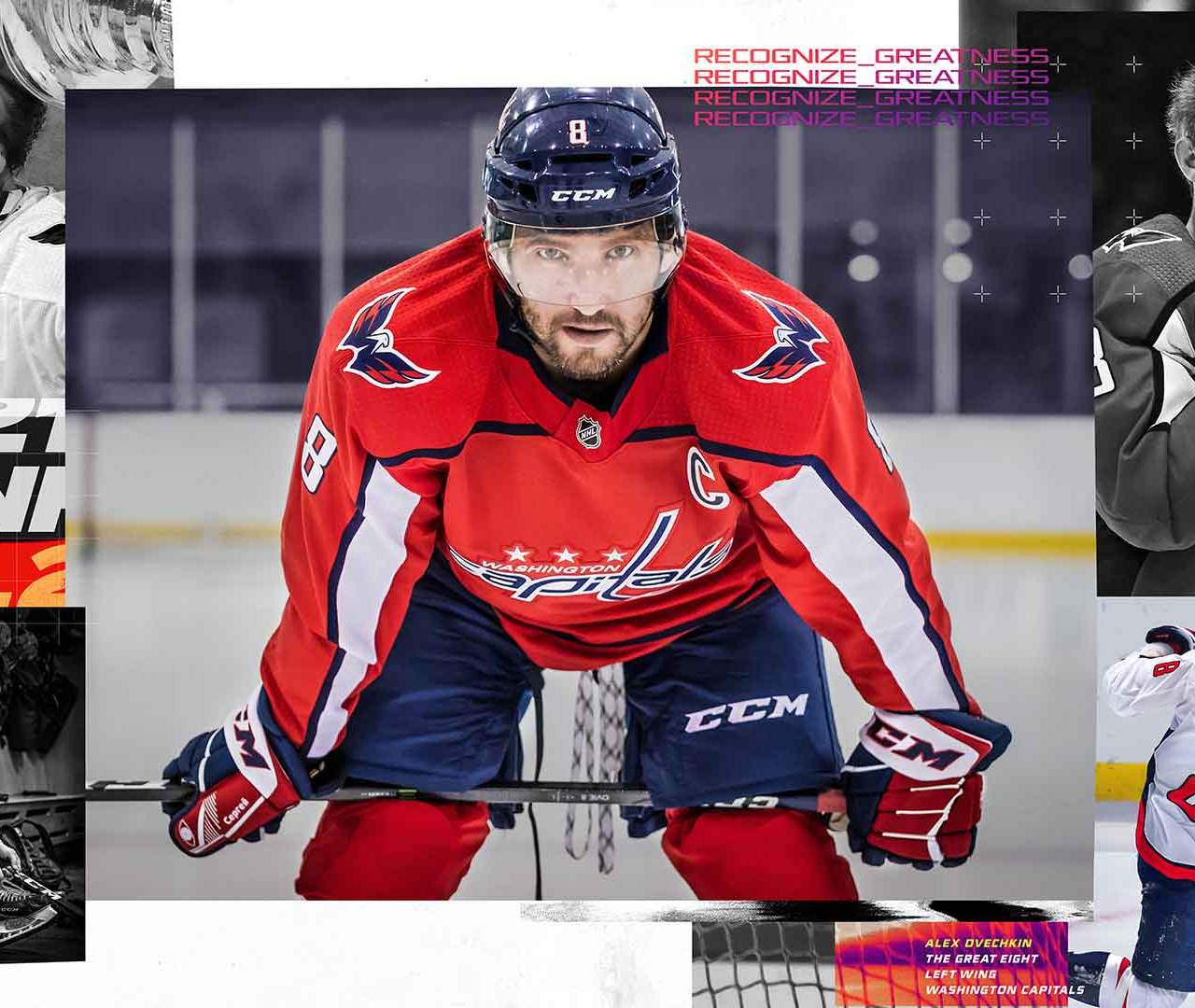
General Gameplay Tips
To excel in NHL 27, focus on fundamental puck possession and strategic positioning. When on offense, utilize the cycle game by passing the puck around the perimeter of the offensive zone. This forces the opposing defense to shift, creating openings for passes into the slot or for point shots. Always be aware of your teammates' positions and anticipate their movements. A well-timed pass can break down even the tightest defense. On defense, prioritize strong gap control. Maintain a defensive posture, keeping your stick between the puck carrier and your net. Avoid chasing the puck carrier blindly, as this often leaves your net vulnerable to a quick pass or a shot from an open player. Effective defensive zone coverage involves intelligent player switching and anticipating the opponent's next move. Remember to utilize the poke check and stick lift judiciously; overuse can lead to penalties.
Special teams are crucial in NHL 27. For your power play, consider setting up plays that involve quick passing and movement. A common strategy is to use the point men to cycle the puck and look for cross-ice passes to a forward in the slot or on the wing. Don't be afraid to take shots from the point, as rebounds can often lead to scoring chances. On the penalty kill, focus on aggressive forechecking to disrupt the opponent's setup and clear the puck down the ice. Maintaining defensive pressure and forcing turnovers can be more effective than simply trying to block shots. Effective communication, even if simulated through AI, is key. Pay attention to the on-screen indicators for player fatigue and line changes, ensuring your players are fresh for critical moments. Mastering these core gameplay elements will provide a significant advantage.
Offensive Strategies
When attacking, prioritize creating high-percentage scoring chances. Utilize the dump and chase effectively by firing the puck deep into the offensive zone and having your forwards pressure the opposing defensemen. This can lead to turnovers and offensive zone possession. In the offensive zone, employ the "cycle" by passing the puck around the boards and behind the net, forcing the defense to move and creating passing lanes. Look for opportunities to drive to the net, as shots from the slot are generally more dangerous than those taken from the perimeter. Utilize the deke controls to freeze defenders and create shooting lanes. A well-executed deke can open up a clear path to the goal. Don't underestimate the power of a well-placed slap shot or wrist shot from the high slot. Practice different shot types to keep the opposing goaltender guessing. Remember to utilize your players' strengths; a fast winger can exploit open ice with a breakaway, while a strong defenseman can unleash a powerful slapshot from the point. The "one-timer" is a particularly potent offensive weapon when executed correctly, often resulting in goals if the pass is accurate and the shooter is in position. Mastering the timing of the one-timer can significantly boost your scoring output.
Defensive Strategies
On the defensive end, maintaining strong positional play is paramount. Focus on "gap control," ensuring you are not allowing opposing forwards too much space to operate. Use the left analog stick to skate and maintain your position, while the right analog stick can be used for stick checks and body positioning. When defending against a rush, try to force the puck carrier to the outside, away from the center of the ice and your net. Utilize the poke check to disrupt puck carriers, but be mindful of the penalty risk. The stick lift is another effective tool for dislodging the puck. On defense, intelligent player switching is crucial. Anticipate where the puck is going and switch to You who can best intercept a pass or block a shot. Effective zone coverage involves collapsing towards the net when the puck is in your zone and spreading out to cover passing lanes when the puck is in the neutral or offensive zone. Always be aware of the opposing team's tendencies and adjust your defensive strategy accordingly. The "body check" is a powerful defensive tool when used strategically, but be cautious not to overcommit, as a missed check can leave you out of position. A well-timed body check can disrupt an opponent's momentum and force a turnover.
Special Teams Play
Mastering special teams is a critical component of success in NHL 27. On the power play, focus on puck movement and creating passing lanes. A common and effective strategy is to utilize the point men to cycle the puck, drawing defenders out of position and opening up opportunities for cross-ice passes or shots from the high slot. Don't be afraid to take shots from the point, as rebounds can often be capitalized on by forwards crashing the net. Consider setting up plays that involve quick passes and movement to keep the defense on their toes. The "one-timer" is a particularly dangerous weapon on the power play, capable of generating goals from seemingly impossible angles if executed with precision. On the penalty kill, the primary objective is to limit the opponent's scoring chances. Aggressive forechecking can disrupt their setup and force turnovers, leading to opportunities to clear the puck down the ice. Maintain strong defensive zone coverage, collapsing towards your net and blocking passing lanes. Intelligent player switching is vital to ensure you have a player in the right position to intercept passes or block shots. Effective communication, even if simulated, is key; pay attention to player fatigue and line changes to ensure your penalty killers are fresh.