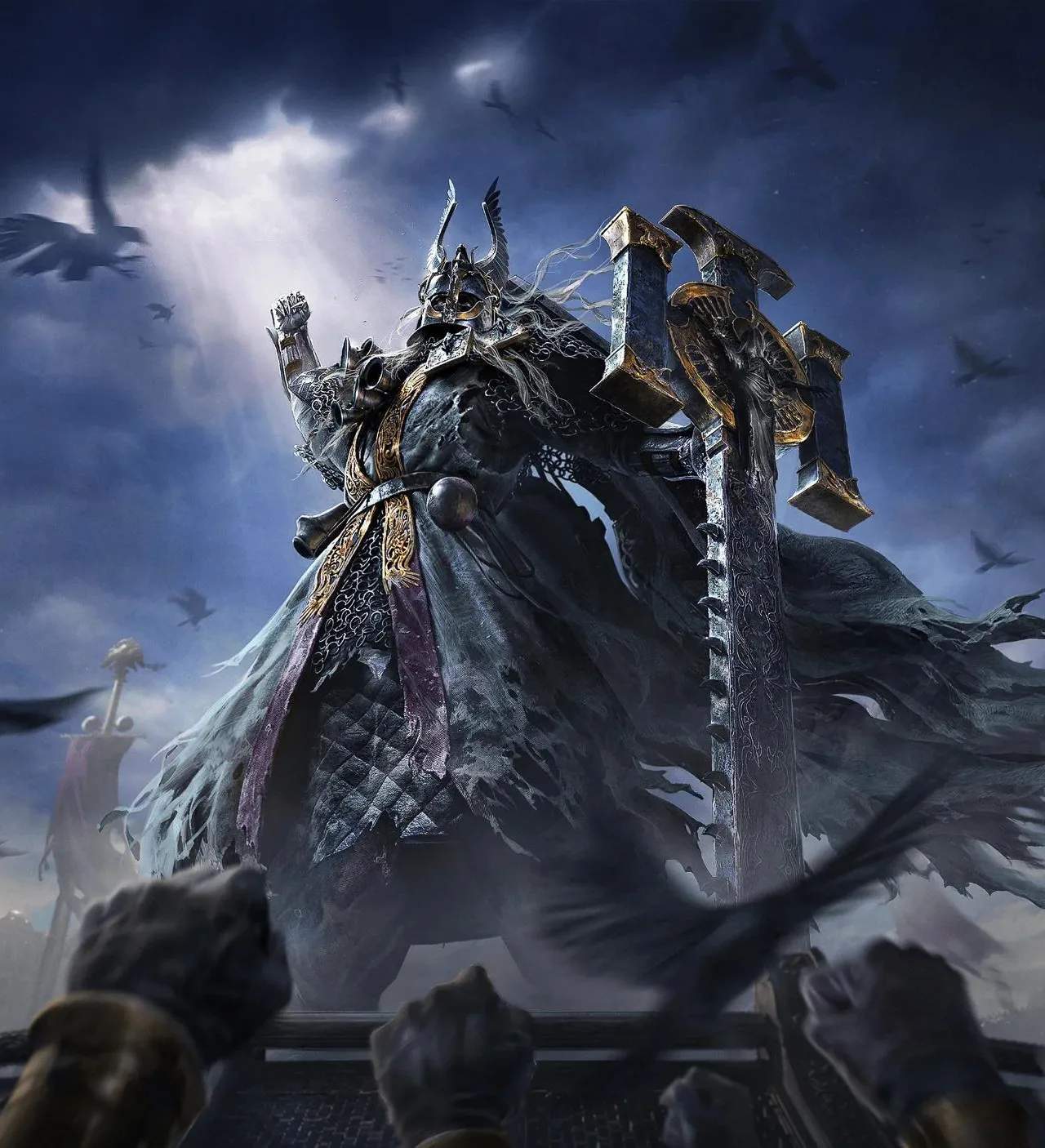
Delirium: The Mirror of Delirium
The Mirror of Delirium in Path of Exile 2 introduces a terrifying yet rewarding challenge, distorting reality and amplifying the dangers within any given zone. Encountering this spectral mirror initiates a Delirium encounter, progressively layering more modifiers and spawning increasingly aggressive, shadowy foes as you delve deeper into the mist. Mastering Delirium is crucial for acquiring unique rewards, including Simulacrum Splinters, Cluster Jewels, and various Delirium Orbs.
Activating Delirium Encounters
Delirium encounters are not always guaranteed. They manifest randomly in zones throughout Wraeclast, from the early acts to the endgame maps. Look for a shimmering, distorted mirror-like anomaly. Approaching and touching it will activate the Delirium. Once activated, a creeping mist will begin to spread, and a timer or progress bar will appear, indicating the duration or intensity of the Delirium.
- Early Game Zones: In Acts 1-10, Delirium encounters are less frequent but still provide valuable early-game currency and basic Cluster Jewels. Focus on clearing packs efficiently to maximize rewards.
- Mapping (Endgame): Delirium becomes a more common and significant mechanic in the Atlas. Higher-tier maps offer greater rewards and more challenging Delirium modifiers.
- Specific League Mechanics: Certain league mechanics, such as Blight or Legion, can sometimes interact with Delirium, further escalating the difficulty and potential loot.
Navigating the Delirious Mist
Once Delirium is active, a pervasive mist will spread across the zone. The further you move into this mist, the more "stacks" of Delirium you accumulate. Each stack adds new modifiers to monsters and the environment, making combat significantly harder but also increasing the quantity and rarity of dropped items. Your primary goal is to clear as many monster packs as possible within the Delirium's duration.
- Stay Mobile: Delirium monsters often have increased movement speed and aggressive AI. Staying on the move and utilizing movement skills like Flame Dash or Whirling Blades is vital for survival.
- Prioritize Damage: The increased monster health and damage necessitate a strong offensive build. Builds with high area-of-effect (AoE) damage or excellent single-target burst are highly effective.
- Watch the Timer/Progress: Keep an eye on the Delirium timer or progress bar. The longer you stay in the mist and kill monsters, the more rewards you'll accumulate. However, don't overextend if your build can't handle the escalating difficulty.
- Reward Icons: As you progress through Delirium, small icons will appear above your head, indicating the types of rewards you're accumulating (e.g., currency, unique items, Cluster Jewels, Simulacrum Splinters).
Delirium Rewards and Itemization
The primary draw of Delirium is its unique reward structure. The further you push into the mist and the more monsters you defeat, the more reward tiers you unlock. These rewards are dropped at the end of the Delirium encounter, or when you leave the Delirium-affected area.
Key Delirium Items:
- Simulacrum Splinters: These fragments combine to form a Simulacrum, a challenging end-game encounter that tests your build's limits. Collecting 100 Simulacrum Splinters creates one Simulacrum.
- Cluster Jewels: These unique jewels socket into your passive skill tree, expanding it with new, powerful nodes. They come in various sizes (Large, Medium, Small) and offer a wide array of passive skills, allowing for highly specialized character customization. Look for specific base types like Large Cluster Jewel of the Doryani's Lesson (Lightning Damage) or Medium Cluster Jewel of the Wasting Affliction (Chaos Damage over Time).
- Delirium Orbs: These consumable items can be applied to maps to permanently add Delirium modifiers, increasing difficulty and rewards for the entire map. There are several types, each focusing on different reward categories:
- Currency Orb of Delirium: Enhances currency drops.
- Skittering Orb of Delirium: Boosts unique item drops.
- Fine Orb of Delirium: Increases quality of items.
- Fossil Orb of Delirium: Increases fossil drops.
- Scarred Orb of Delirium: Boosts scarab drops.
Strategies for Success
- Build Synergy: Builds that excel at clearing large packs of monsters quickly are ideal for Delirium. This includes many spell-based AoE builds, minion builds, and fast-hitting attack builds.
- Defensive Layers: As Delirium scales, monster damage can become extreme. Ensure your build has robust defensive layers, including high life/energy shield, resistances, damage reduction, and potentially block or evasion.
- Flask Management: Keep your utility flasks active and consider using flasks with "instant recovery" or "charges on critical strike" to maintain uptime during intense encounters.
- Map Modifiers: Be mindful of map modifiers when running Delirium. Certain combinations, like "Monsters have X% increased Critical Strike Chance" combined with Delirium's own damage modifiers, can be lethal.
- Know When to Retreat: Don't be afraid to disengage if the Delirium becomes too overwhelming. It's better to secure the rewards you've already accumulated than to die and lose experience or portal uses.
Mastering the Mirror of Delirium requires a blend of offensive power, defensive resilience, and strategic decision-making. With practice, you'll learn to navigate its treacherous depths and reap its bountiful, reality-bending rewards.