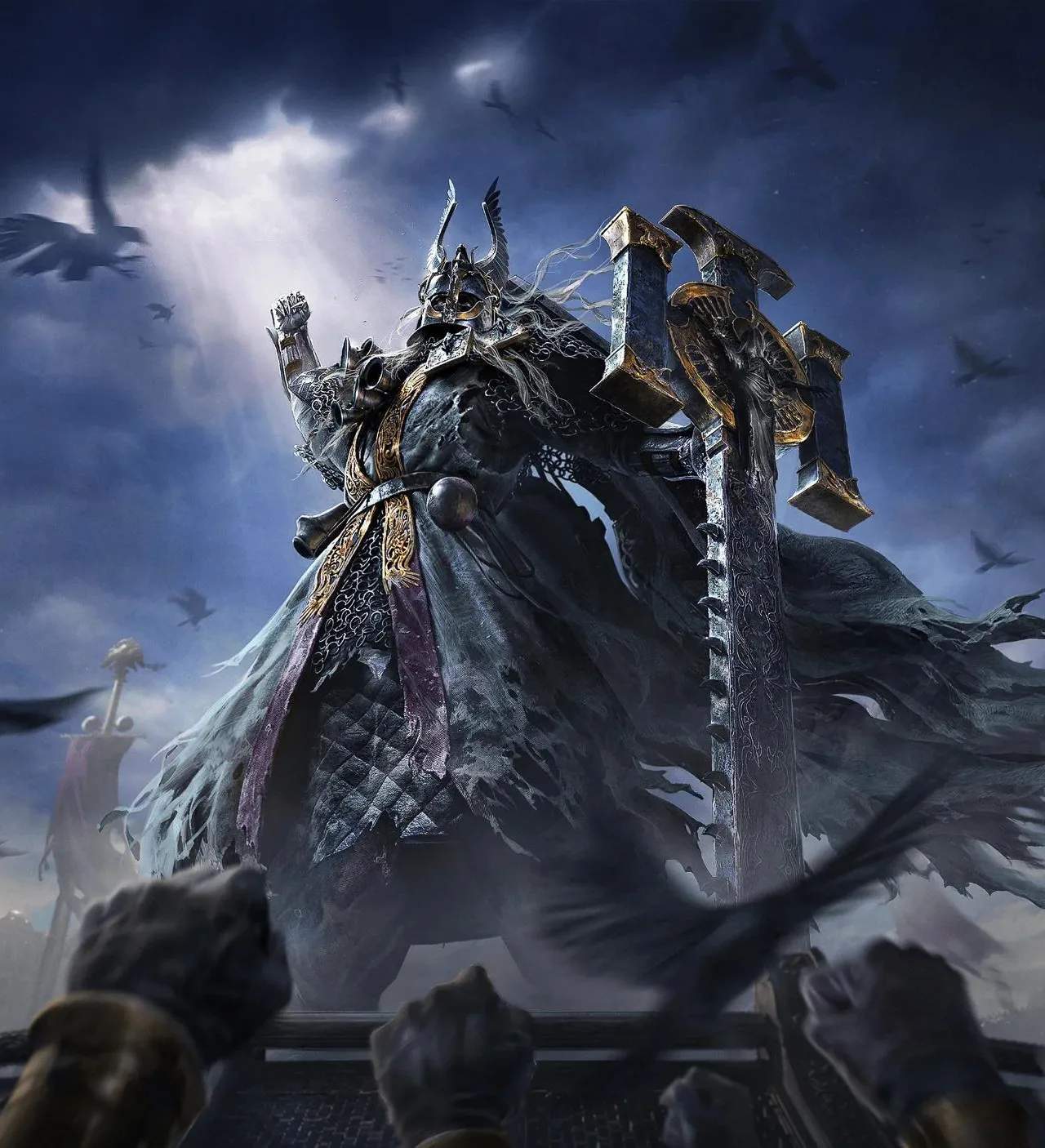
Party Synergies & Roles
Path of Exile 2 elevates cooperative play to an art form, rewarding well-coordinated parties with enhanced efficiency, survivability, and access to content that might be challenging for solo players. Understanding and optimizing party synergies is crucial for tackling endgame content, high-tier maps, and formidable boss encounters. This section will guide you through building effective party compositions and defining key roles.
I. Core Party Roles & Responsibilities
A balanced party typically consists of a damage dealer, a support, and a tank. However, PoE2's flexible class system allows for hybrid roles and specialized builds within these archetypes.
- Damage Dealer (DPS)
- Responsibility: Maximize damage output against enemies, focusing on clearing packs or single-target boss damage.
- Key Attributes: High offensive stats (e.g., Critical Strike Chance, Attack/Cast Speed, Added Damage), appropriate damage type (Physical, Fire, Cold, Lightning, Chaos).
- Build Examples:
- Elemental Crit Ranger (e.g., Sharpshooter): Utilizes bows with skills like Lightning Arrow or Ice Shot, scaled with critical strikes and elemental damage. Prioritize gear with "Adds X to Y Elemental Damage to Attacks" and "Critical Strike Multiplier."
- Physical Melee Warrior (e.g., Berserker): Focuses on raw physical damage with two-handed weapons and skills like Sunder or Earthshatter. Look for items with "Increased Physical Damage" and "Attack Speed."
- Spell Caster Sorceress (e.g., Arcanist): Employs powerful spells such as Fireball, Freezing Pulse, or Spark, often scaled with spell damage, cast speed, and area of effect. Seek out wands or staves with "Increased Spell Damage" and "Global Critical Strike Chance for Spells."
- Actionable Steps:
- Communicate target priorities (e.g., "Focus the rare!") to avoid over-damaging low-priority targets.
- Position safely behind the tank, utilizing range or mobility skills (e.g., Dash, Flame Dash) to avoid incoming damage.
- Ensure your primary damage skill is linked with appropriate support gems like Increased Critical Damage Support, Concentrated Effect Support (for AoE), or Elemental Focus Support.
- Support (Utility/Aura Bot)
- Responsibility: Enhance party members' offensive and defensive capabilities, debuff enemies, and provide utility.
- Key Attributes: High mana reservation efficiency, aura effect, curse effect, defensive stats to survive while supporting.
- Build Examples:
- Guardian Templar (e.g., Sentinel): Specializes in powerful defensive auras like Determination, Grace, and Purity of Elements. Can also provide significant regeneration with skills like Vitality. Gear should prioritize "Reduced Mana Reservation" and "Increased Aura Effect."
- Necromancer Witch (e.g., Spiritbinder): Focuses on offering powerful buffs through Spectres and Golems, and debuffing enemies with curses like Despair or Temporal Chains. Look for items with "Increased Minion Life" and "Increased Curse Effect."
- Chieftain Marauder (e.g., Totemancer): Can provide powerful offensive buffs through totems (e.g., Ancestral Warchief, Protector) and ignite proliferation for elemental damage dealers.
- Actionable Steps:
- Maintain constant uptime on crucial auras and buffs. Use a skill like Enduring Cry to generate Endurance Charges for the party.
- Identify high-threat enemies and apply appropriate curses.
- Utilize defensive utility skills like Arcane Cloak or Steelskin to absorb burst damage for yourself or nearby allies.
- Consider carrying a Flask of Ward or Divine Life Flask with "Instant Recovery" to quickly save a low-health ally.
- Tank (Frontliner/Crowd Control)
- Responsibility: Absorb incoming damage, draw enemy aggression, and control enemy movement.
- Key Attributes: High maximum life/energy shield, armor/evasion, elemental resistances, block chance, damage mitigation.
- Build Examples:
- Juggernaut Marauder (e.g., Ironclad): Focuses on extreme physical damage mitigation, often using skills like Molten Shell and Vaal Grace for burst defense. Prioritize gear with high "Armour" and "Maximum Life."
- Gladiator Duelist (e.g., Champion): Excels in block chance and counter-attacks, often using shields and skills like Shield Charge for mobility and crowd control. Look for shields with high "Block Chance" and "Global Defences."
- Champion Duelist (e.g., Vanguard): Can taunt enemies and provide significant defensive buffs to allies, making them ideal for drawing aggro.
- Actionable Steps:
- Engage enemies first, using skills like Vaal Ancestral Warchief or Taunt to draw aggression.
- Position yourself between enemies and your damage dealers/supports.
- Utilize crowd control skills like Temporal Chains (if applicable), Arctic Breath, or Blasphemy Support linked with a curse to slow or freeze enemies.
- Communicate when you need to retreat or when a particularly dangerous enemy needs to be focused.
II. Advanced Synergies & Combinations
Beyond the basic roles, specific skill and item interactions can create powerful party dynamics.
- Aura Stacking & Mana Reservation:
- Strategy: One or more party members specialize in running multiple powerful auras. This requires significant "Reduced Mana Reservation" from passive skills (e.g., Leadership cluster), unique items like Allelopathy gloves, and potentially the Enlighten Support gem.
- Example: A Guardian Templar runs Determination, Grace, Purity of Elements, and Haste. A second support character (e.g., Necromancer) can then focus on offensive auras like Wrath or Anger, or debuffing curses.
- Benefit: Provides immense offensive and defensive buffs to the entire party, making even challenging encounters manageable.
- Curse Application & Effect:
- Strategy: Designate one party member (often a Witch or Shadow) to apply multiple powerful curses to enemies. This requires "Increased Curse Limit" from the passive tree (e.g., Whispers of Doom) or unique items like Doedre's Damning ring.
- Example: A Necromancer applies Despair (Chaos Resistance reduction), Temporal Chains (slows enemies), and Vulnerability (Physical Damage taken).
- Benefit: Significantly amplifies party damage and survivability by weakening enemies.
- Elemental Exposure & Proliferation:
- Strategy: Combine skills that apply elemental exposure (e.g., Wave of Conviction, Orb of Storms with Conductivity curse) with elemental damage dealers. For ignite, poison, or bleed builds, proliferation (e.g., Ignite Proliferation Support, Berek's Respite ring) can clear entire screens.
- Example: A Sorceress casts Wave of Conviction (reduces Fire/Lightning Resistance) while an Elemental Crit Ranger fires Lightning Arrow, maximizing damage. A Chieftain's ignites can spread rapidly with proliferation.
- Benefit: Dramatically increases elemental damage output and clear speed.
- Minion Army & Buffs:
- Strategy: A dedicated minion build (Necromancer, Guardian) can provide a substantial frontline and damage, further enhanced by party buffs.
- Example: A Necromancer with Summon Skeletons and Raise Zombie creates a massive army. A Guardian in the party provides Determination and Grace, increasing minion survivability, while a Chieftain's Ancestral Warchief buffs minion damage.
- Benefit: Overwhelms enemies with sheer numbers and sustained damage, while freeing up other party members for specialized roles.
III. Communication & Coordination
Even the most optimized party composition will falter without clear communication. Utilize in-game chat or voice communication to:
- Call out dangerous mechanics: "Boss casting AoE!" or "Watch for ground effects!"
- Designate targets: "Focus the Exarch!" or "Kill the rare first!"
- Signal resource needs: "Low on flasks, need a moment."
- Plan pulls and engagements: "I'll pull them to the choke point."
- Coordinate defensive cooldowns: "Using Vaal Grace now."
By understanding these roles, synergies, and the importance of communication, your Path of Exile 2 party will be well-equipped to conquer the darkest corners of Wraeclast.