
Character Progression & Upgrades
In Post Trauma, true progression isn't just about surviving; it's about adapting, understanding, and ultimately, overcoming the psychological and physical horrors that plague your journey. Unlike traditional RPGs, your "upgrades" are less about stat boosts and more about expanding your toolkit, refining your investigative abilities, and strengthening your mental fortitude against the game's insidious threats. This section details how to effectively progress your character, acquire crucial items, and unlock new capabilities.
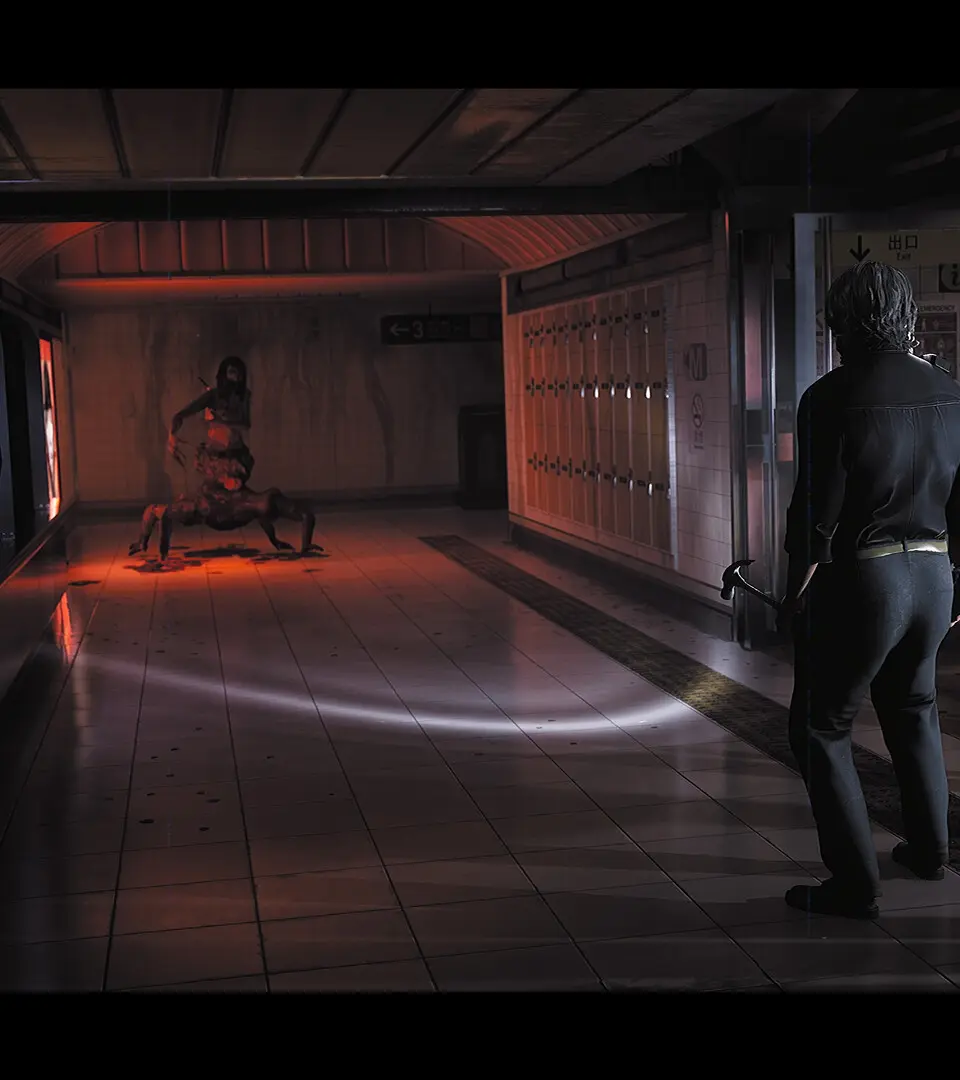
Mental Fortitude & Insight
Your character's mental state is a critical resource. As you encounter disturbing scenes or fail to resolve puzzles efficiently, your sanity meter will deplete. Maintaining mental fortitude is key to unlocking new insights and avoiding debilitating status effects.
- Sanity Management:
- Resting Spots: Utilize designated safe zones, often marked by a flickering lantern or a faint, calming melody. Spending a short period in these areas will slowly restore your sanity. The first such spot is found in the Abandoned Clinic - Reception Area, behind the overturned desk.
- "Comfort Objects": Certain seemingly innocuous items can offer minor sanity boosts when examined closely. Look for Child's Drawing (Found in Nursery, 2nd Floor, West Wing) or the Worn Teddy Bear (Found in Storage Room, Basement). Interacting with these provides a small, immediate sanity recovery.
- Understanding the Lore: Successfully piecing together fragmented notes and environmental clues (e.g., the Doctor's Journal Entries scattered throughout the Sanatorium's East Wing) provides a significant sanity boost, as understanding the horror helps contextualize it, reducing its immediate impact.
- Insight Unlocks: As your sanity remains high, you'll gain "Insight Points." These aren't spent, but rather accumulate to unlock passive abilities:
- Tier 1 Insight (50% Sanity Threshold): "Keen Observation" - Highlights interactive objects more clearly, reducing time spent pixel-hunting. Essential for finding hidden clues.
- Tier 2 Insight (75% Sanity Threshold): "Whispers of the Past" - Allows you to hear faint echoes of past events in certain areas, providing crucial narrative context or hints for puzzles. First noticeable in the Operating Theater.
- Tier 3 Insight (90% Sanity Threshold): "Psychic Resonance" - Briefly reveals the path of a nearby enemy or the location of a key item for a few seconds. This is invaluable in later, more dangerous sections like the Sub-Basement Labyrinth.
Inventory & Tool Upgrades
Your inventory is limited, making strategic item acquisition and management paramount. Tools often have multiple uses or can be upgraded to enhance their effectiveness.
- Flashlight:
- Initial Acquisition: Found on the table in the Security Office, Ground Floor, shortly after the game's opening sequence.
- Battery Packs: Scattered throughout the environment. Prioritize collecting Heavy Duty Battery Packs (e.g., in the Maintenance Closet, Basement) as they offer longer illumination.
- "Wide Beam" Upgrade: Locate the Reflective Lens in the Dissecting Room (Pathology Lab). Combine this with your flashlight at any workbench (e.g., the one in the Workshop, Basement) to increase its area of effect, making exploration safer and revealing more details.
- "UV Filter" Attachment: Discovered in a locked cabinet in the Research Lab (Upper Floors). Requires the Research Lab Keycard, found on a deceased scientist in the Library Archives. This attachment reveals hidden messages and symbols crucial for solving advanced puzzles.
- Lockpicking Kit:
- Initial Acquisition: Found in a janitor's locker in the Staff Quarters - West Wing.
- "Reinforced Picks" Upgrade: Acquired after successfully picking 10 locks. This upgrade reduces the chance of breaking picks and speeds up the lockpicking mini-game.
- "Master Key Blueprint": A rare find in the Director's Office Safe. Requires the safe combination, which is hidden within three separate documents: Director's Memo (Found in Secretary's Desk), Patient Transfer Log (Medical Records), and a cryptic note on the back of a Framed Photograph (Director's Private Study). Once acquired, you can craft a single-use Master Key at a workbench, capable of opening any standard locked door.
- Medical Kit (Limited Use):
- Initial Acquisition: A basic kit is provided at the start.
- "Sterile Bandages" (Healing Item): Found frequently in medical cabinets. Restores a small amount of health.
- "Antiseptic Spray" (Healing Item): Less common, often found in operating theaters or infirmaries. Restores a moderate amount of health and removes minor status effects like bleeding.
- "Adrenaline Syringe" (Emergency Item): Very rare, typically found in emergency supply caches. Provides a significant health boost and a temporary burst of speed, crucial for escaping dangerous encounters. One is located in the Emergency Response Locker in the Basement Morgue.
Environmental Interaction & Puzzle Solving
Many "upgrades" come from your ability to manipulate the environment and solve complex puzzles, which in turn unlock new areas or provide critical resources.
- Leveraging Blueprints & Schematics:
- The Electrical Schematics (Found in the Generator Room) are vital for understanding and restoring power to various sections of the facility, unlocking new pathways and light sources.
- The Ventilation System Blueprint (Found in the Engineering Office) is necessary to navigate the air ducts, allowing you to bypass blocked corridors or access hidden rooms.
- Chemical Combination:
- Throughout the Laboratory Wing, you'll find various chemicals (e.g., Formaldehyde, Hydrochloric Acid, Distilled Water). Experimenting with these at a Chemical Mixing Station can yield useful items like a powerful Corrosive Agent (used to dissolve rusted locks or weak barriers) or a Sedative Gas (used to temporarily incapacitate certain enemies). The first mixing station is in the Chemistry Lab - Room B.
- Deciphering Codes:
- Many doors and safes are secured with numerical or symbolic codes. The "upgrade" here is your ability to piece together clues from disparate sources. For example, the code for the Main Server Room is found by correlating dates on a Calendar in the Break Room with highlighted numbers in a Patient File (Room 304).