Game Mechanics & Systems
Navigating the psychological horrors of Post Trauma requires a keen understanding of its core mechanics. This section will delve into the essential systems that govern your survival, puzzle-solving, and interaction with the game world.
Inventory Management & Item Usage
Your inventory is a lifeline in Post Trauma, but space is limited. Strategic item management is crucial. Pay close attention to item descriptions, as seemingly mundane objects can hold vital clues or serve unexpected purposes.
- Key Items: These are critical for progression and often consumed upon use. For example, the Rusty Key found in the Janitor's Closet on the Ground Floor will unlock the Maintenance Room door. The Medical Kit (found sporadically in bathrooms or staff lounges) is a one-time use item that restores a significant portion of your health.
- Consumables: Health items like Painkillers (small health boost) and Bandages (stops bleeding status effect) are vital. Keep a few on hand, but don't hoard them if you're low on space.
- Tools: Items like the Pry Bar (often found in utility carts) are reusable and essential for accessing new areas or solving environmental puzzles. The Flashlight, acquired early in the game, is indispensable for dark areas and revealing hidden details. Remember to check its battery life!
- Combining Items: Some puzzles require combining two or more items in your inventory. For instance, the Empty Fuel Canister (found in the Boiler Room) must be combined with the Gasoline Siphon (located in the abandoned ambulance outside) to create a Full Fuel Canister, which is then used to power the generator in the Sub-Basement.
Environmental Interaction & Puzzle Solving
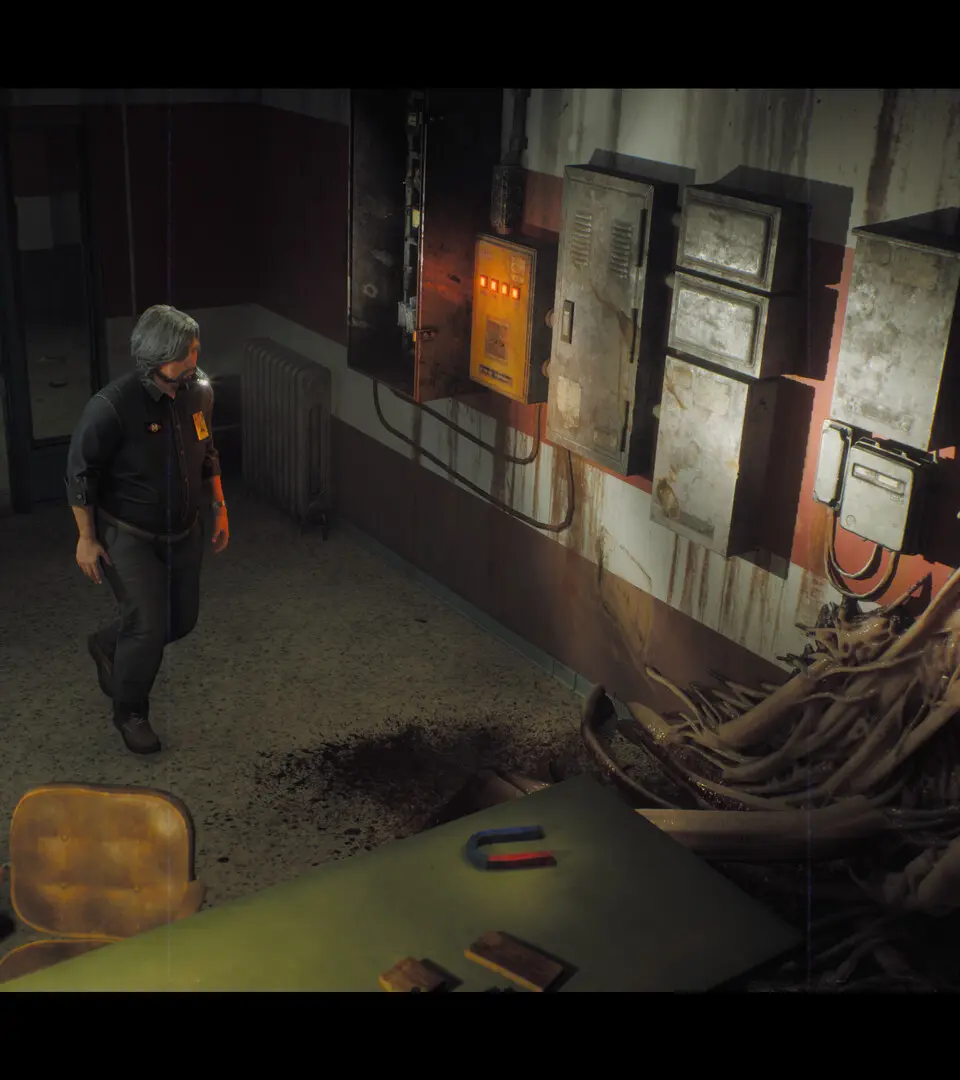
The environment in Post Trauma is not just scenery; it's an active participant in your struggle. Observe your surroundings carefully, as many puzzles are integrated directly into the world.
- Observation is Key: Look for subtle visual cues, flickering lights, or unusual textures. A seemingly innocuous stain on a wall might be a clue to a safe combination, or a misplaced object could indicate a hidden passage.
- Reading Documents: Scattered throughout the facility are various documents, notes, and patient files. These often contain critical lore, backstory, and, most importantly, puzzle solutions. For example, the Doctor's Log Entry #4, found in the Doctor's Office on the First Floor, contains a cryptic message that, when deciphered, reveals the code for the locked cabinet in the Nurse's Station.
- Leveraging the Environment: Many obstacles can be overcome by interacting with environmental elements.
- Blocked Passages: A stack of boxes might be moved with the Pry Bar, or a jammed door might require a specific tool or a power source to open.
- Power Systems: Restoring power to certain sections of the facility is a recurring puzzle. This often involves locating a Generator (e.g., in the Sub-Basement), finding the necessary Fuel (as described above), and then activating it via a nearby Control Panel.
- Sound Cues: Pay attention to auditory signals. The distant groan of a creature, the dripping of water, or the faint hum of machinery can all guide you towards objectives or warn you of danger.
Combat & Evasion
Combat in Post Trauma is not a primary focus, but it's a brutal reality. Resources are scarce, and direct confrontation is often a last resort.
- Melee Weapons: Early in the game, your primary defense will be improvised melee weapons like the Lead Pipe (found near the broken vending machine in the Cafeteria) or the Surgical Scalpel (from the Operating Room). These are effective against weaker, slower enemies but require precise timing and careful positioning.
- Firearms: Firearms are rare and ammunition is even rarer. The Revolver, typically found in the Security Office, is powerful but has limited shots. Conserve your ammunition for truly unavoidable encounters or boss-like threats. Aim for critical spots (headshots) to maximize damage.
- Evasion & Stealth: Often, the best strategy is to avoid combat entirely.
- Crouching: Use the crouch mechanic (default 'C' on PC) to reduce your visibility and sound. This is crucial for sneaking past patrolling creatures.
- Distraction: Throwing a Glass Bottle (common environmental item) or activating a noisy object can draw enemies away from your path, allowing you to slip by undetected.
- Hiding Spots: Look for lockers, under beds, or behind large furniture. These can provide temporary refuge from pursuing enemies. Be aware that some more intelligent enemies may eventually check these spots.
- Stamina Management: Sprinting drains your stamina rapidly. Monitor your stamina bar carefully, especially when attempting to outrun threats. Allow it to regenerate before engaging in strenuous activity.
Saving Your Progress
Post Trauma utilizes a classic, limited save system, adding to the tension and encouraging thoughtful progression.
- Typewriters: Your progress can only be saved at designated Typewriter stations. These are typically found in safe zones or key areas. The first one you'll encounter is in the Main Lobby, shortly after the introductory sequence.
- Ink Ribbons: Each save consumes one Ink Ribbon. These are scarce resources, so use them wisely. You'll find Ink Ribbons in drawers, on desks, or sometimes dropped by defeated enemies. Prioritize saving after clearing a particularly dangerous area or solving a complex puzzle.