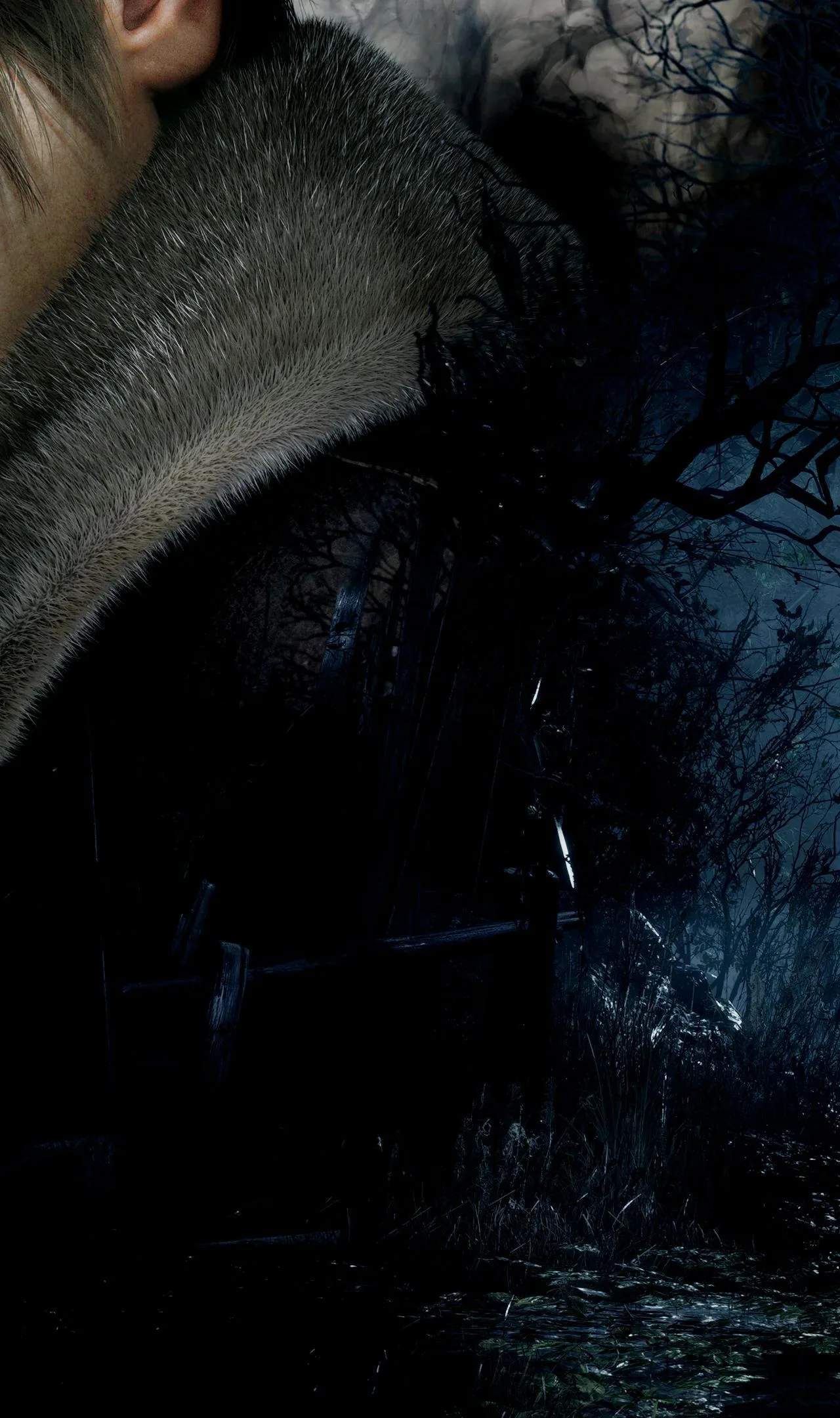
Resident Evil 4 (Remake) is steeped in cultural references and draws inspiration from several sources, enriching its world and narrative. These influences range from classic horror tropes to specific artistic and literary works, adding depth for those who recognize them.
Spanish Folklore and Mythology
The game is set in a rural region of Spain, and much of its atmosphere and enemy des is influenced by Spanish folklore. The concept of a village succumbing to a dark plague and the presence of unsettling rural traditions echo themes found in Spanish gothic literature and horror films. The Ganados themselves, with their primal ferocity, can be seen as a twisted representation of rural superstitions and fears.
Gothic Horror Literature
The castle sections, in particular, are heavily inspired by classic gothic horror. The brooding architecture, the sense of ancient evil, and the presence of a tyrannical lord (Salazar) controlling his domain are all hallmarks of the genre, reminiscent of works by authors like Bram Stoker and Edgar Allan Poe. The oppressive atmosphere and the feeling of being trapped within a decaying, malevolent structure are key gothic elements.
Body Horror and Biological Warfare
As with much of the Resident Evil series, Resident Evil 4 (Remake) draws heavily on the genre of body horror. The parasitic Las Plagas and the grotesque mutations of enemies like El Gigante and Bitores Mendez are prime examples. This fascination with the grotesque transformation of the human form is a recurring theme in horror, often exploring anxieties about disease, scientific experimentation, and loss of control over one's own body.
Folk Horror Films
The initial village sequences, with their isolated community, strange rituals, and descent into madness, bear a strong resemblance to the folk horror subgenre. Films like "The Wicker Man" and "Midsommar" explore similar themes of isolated communities with dark secrets and a terrifying adherence to ancient traditions. The Ganados' chanting and their unified, almost cult-like behavior contribute to this folk horror aesthetic.
Cinematic Influences
The game's pacing, action sequences, and character archetypes are also influenced by cinema. The intense shootouts and the larger-than-life boss battles often feel like they're lifted from action-horror films. Leon's stoic demeanor and his struggle against overwhelming odds are classic heroic tropes found in many cinematic narratives.
Religious Symbolism and Cults
The presence of religious imagery, corrupted by the influence of Las Plagas, is a significant cultural reference. The Los Iluminados cult, with its blend of religious fervor and sinister intent, taps into anxieties surrounding extremist groups and the perversion of faith. The use of religious iconography in a twisted context is a common trope in horror to highlight the corruption of purity.
Specific Artistic Inspirations
While not always explicit, the visual des of certain enemies and environments might draw inspiration from specific artists or movements known for their macabre or unsettling imagery. The grotesque and often disturbing dess of the mutated creatures can be seen as a modern interpretation of surrealist or expressionist art that explores the darker aspects of the human psyche.
Thematic Resonance
Ultimately, Resident Evil 4 (Remake) taps into universal themes of fear, survival, faith, and the corrupting influence of power. By drawing on these diverse cultural inspirations, the game creates a rich and unsettling experience that resonates with a wide audience, even if they don't recognize every specific reference.