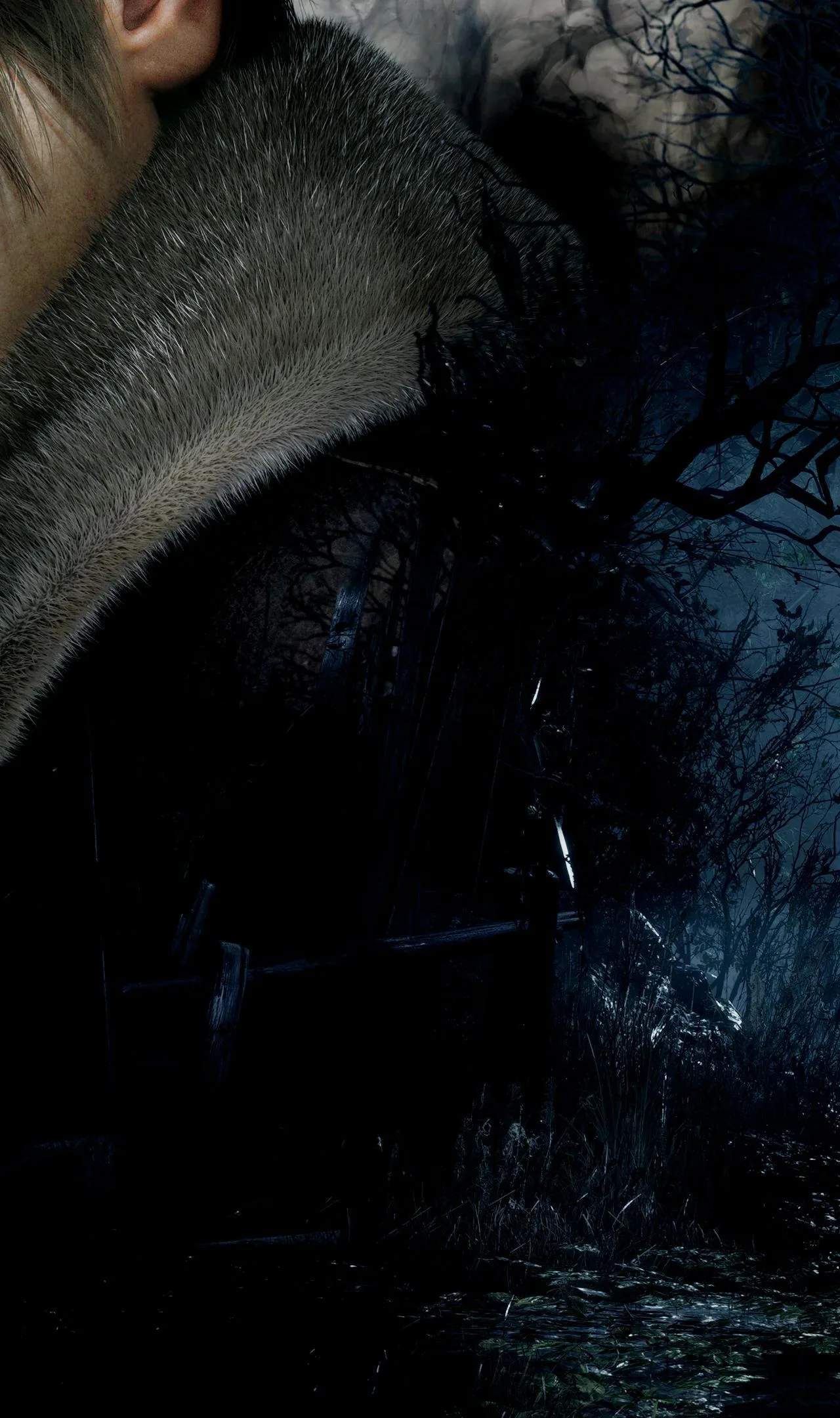
Resident Evil 4 (Remake) masterfully weaves its narrative through its environment, using details in the world to tell stories without explicit exposition. Every bloodstain, every discarded item, and every architectural choice contributes to the oppressive atmosphere and the unfolding tragedy.
The Village: A Community Under Siege
The initial village area is a prime example. The scattered farming tools, the crude barricades, and the ss of recent struggle paint a picture of a once peaceful community now gripped by a terrifying plague. The placement of bodies, some still clutching weapons, suggests a desperate, failed resistance. The architecture itself, with its rustic, almost primitive des, hints at a secluded and perhaps insular community, making their sudden descent into madness all the more disturbing.
The Castle: Opulence and Decay
As you progress to the castle, the environment shifts dramatically. The grandeur of the architecture – the stained-glass windows, the ornate tapestries, the vast halls – contrasts sharply with the ss of decay and corruption. Bloodstains on the marble floors, discarded religious artifacts, and the unsettling presence of the Ganados in what were once sacred spaces tell a story of a powerful institution that has fallen prey to dark forces. The laboratories and torture chambers hidden within the castle walls reveal the horrific experiments conducted by Salazar and his followers.
The Island: Military Brutality and Scientific Hubris
The island section presents a stark, utilitarian environment. The military outposts, the sterile laboratories, and the industrial machinery speak of a more modern, yet equally sinister, operation. The presence of advanced weaponry and the remnants of failed experiments highlight the hubris of the Los Iluminados and their allies. The environmental details here often show the aftermath of intense firefights and the desperate measures taken by the soldiers and researchers.
Subtle Storytelling Through Items and Notes
Beyond the grander environmental des, smaller details are crucial. Scattered notes and documents provide glimpses into the lives of the villagers, the castle inhabitants, and the island personnel. These often reveal their fear, their descent into madness, or their attempts to understand the plague. The types of items left behind – a child's toy, a half-eaten meal, a soldier's personal effects – humanize the victims and underscore the tragedy of the situation.
Visual Cues and Atmosphere
The lighting, the sound des, and the weather all contribute to the environmental storytelling. The oppressive darkness of the castle corridors, the eerie silence of abandoned farmhouses, and the constant threat of unseen enemies create a palpable sense of dread. The visual cues, such as the way enemies react to their surroundings or the state of their clothing, further flesh out the narrative of their infected state.
Key Environmental Details to Look For
- Bloodstains: Indicate past violence and struggle.
- Discarded Items: Offer clues about the lives of the inhabitants.
- Barricades and Defenses: Show attempts to resist the infected.
- Architectural Style: Reflects the history and culture of the area.
- Ss of Experimentation: Reveal the scientific and horrific nature of the antagonists' goals.
- Lighting and Shadows: Enhance the mood and create a sense of unease.