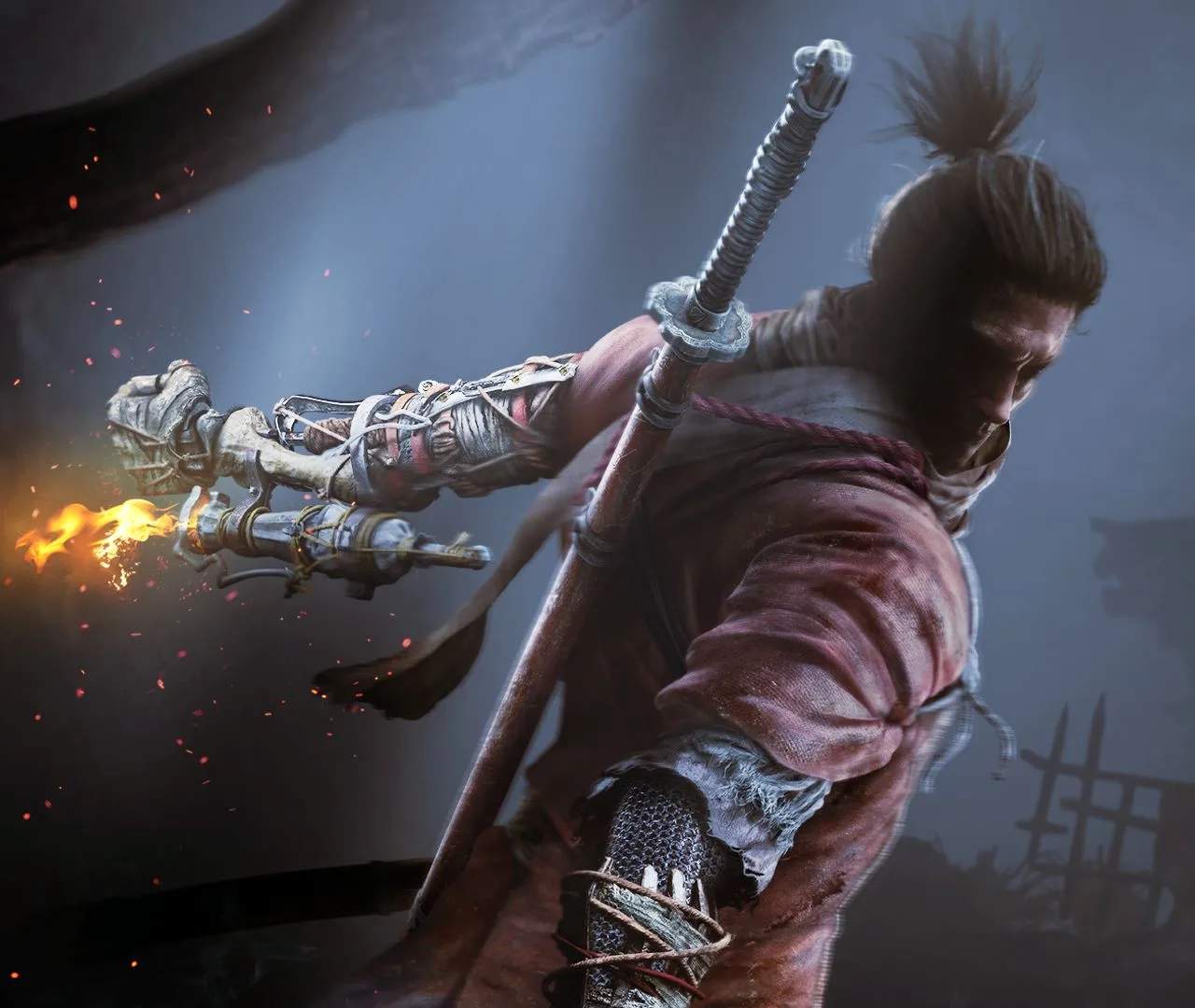
Combat Arts Tier List/Recommendations
Combat Arts are special attacks in Sekiro: Shadows Die Twice that consume Spirit Emblems or a portion of your Posture bar to unleash powerful moves. Choosing the right Combat Art for a given situation can drastically alter the flow of combat, turning a difficult encounter into a manageable one. This guide will break down the most effective Combat Arts, offering recommendations for various playstyles and boss encounters.
Understanding Combat Art Mechanics
- Spirit Emblem Cost: Many Combat Arts consume Spirit Emblems. These can be farmed from enemies, purchased from Sculptor's Idols, or found as loot. Efficient Spirit Emblem management is crucial.
- Posture Cost: Some Combat Arts, particularly those from the Mushin Arts skill tree, consume a portion of your Posture bar instead of Spirit Emblems. This can be risky if your Posture is already high.
- Skill Trees: Combat Arts are unlocked through various skill trees: Ashina Arts, Prosthetic Arts, Temple Arts, Shinobi Arts, and Mushin Arts. Progressing through these trees requires Skill Points, earned by defeating enemies.
- Contextual Use: No single Combat Art is universally "best." Their effectiveness depends on the enemy, your current strategy, and your available resources.
S-Tier: Essential & Highly Versatile Combat Arts
These Combat Arts are incredibly powerful and find utility in almost any situation. Prioritize unlocking and mastering them.
1. Whirlwind Slash
- Skill Tree: Ashina Arts
- Cost: 1 Spirit Emblem
- Acquisition: Unlocked early in the Ashina Arts skill tree.
- Strategy:
- Crowd Control: Excellent for dealing with groups of weaker enemies, as it hits all foes in a wide arc around Sekiro.
- Chip Damage: Useful for safely chipping away at an enemy's health when direct attacks are too risky, especially against fast-moving bosses.
- Post-Deflect Follow-up: Can be used as a quick follow-up after a successful deflect to deal some damage and maintain pressure.
- Safe Retreat: The animation provides a small window of invincibility frames, making it a decent option for creating space.
- Recommendation: A foundational Combat Art. Get this as soon as possible. It's cheap, effective, and versatile for both early and late-game encounters.
2. Ichimonji / Ichimonji: Double
- Skill Tree: Ashina Arts (Ichimonji), Mushin Arts (Ichimonji: Double)
- Cost: 0 Spirit Emblems (consumes Posture)
- Acquisition:
- Ichimonji: Unlocked in the Ashina Arts skill tree.
- Ichimonji: Double: Requires unlocking Ichimonji first, then progressing through the Mushin Arts skill tree.
- Strategy:
- Posture Recovery: The primary strength of Ichimonji is its ability to recover Sekiro's own Posture while dealing significant Posture damage to the enemy. This is invaluable in prolonged boss fights.
- High Posture Damage: Delivers a powerful overhead strike that deals substantial Posture damage, especially if it lands cleanly.
- Ichimonji: Double Advantage: The "Double" version delivers two strikes, doubling the Posture damage and Posture recovery. This is often a better choice if you have the Posture to spare.
- Timing: Best used during openings after an enemy attack or when they are recovering from their own moves. It has a wind-up, so don't use it carelessly.
- Recommendation: Arguably the best Combat Art in the game for its unique Posture recovery mechanic. Ichimonji: Double should be a priority unlock once you gain access to the Mushin Arts. Master its timing, and many boss fights become significantly easier.
A-Tier: Highly Effective & Situational Powerhouses
These Combat Arts are incredibly strong in specific scenarios or against certain enemy types. They are excellent additions to your arsenal.
1. Mortal Draw / Empowered Mortal Draw
- Skill Tree: Mushin Arts (Mortal Draw), Secret Arts (Empowered Mortal Draw)
- Cost: 3 Spirit Emblems (Mortal Draw), 2 Spirit Emblems (Empowered Mortal Draw without emblems, deals less damage)
- Acquisition:
- Mortal Draw: Acquired after defeating Genichiro Ashina at Ashina Castle and speaking with Isshin Ashina.
- Empowered Mortal Draw: Unlocked in the Mushin Arts skill tree after acquiring Mortal Draw.
- Strategy:
- Massive Damage: Deals immense vitality and posture damage, making it a prime choice for quickly finishing off bosses or breaking their Posture.
- Reach: Has surprising reach, allowing you to hit enemies from a short distance.
- Empowered Version: The Empowered Mortal Draw is superior, dealing more damage and having a wider arc. Even when used without Spirit Emblems (at a reduced damage output), it can still be a strong finisher.
- Boss Finisher: Ideal for punishing long recovery animations from bosses or for quickly depleting their final health bar.
- Recommendation: A fantastic burst damage option. While it costs Spirit Emblems, the damage output is often worth it. Keep it equipped for boss fights where you need to quickly end phases or deal significant damage during openings.
2. High Monk / Praying Strikes - Exorcism
- Skill Tree: Temple Arts (High Monk), Mushin Arts (Praying Strikes - Exorcism)
- Cost: 0 Spirit Emblems (consumes Posture)
- Acquisition:
- High Monk: Unlocked in the Temple Arts skill tree.
- Praying Strikes - Exorcism: Unlocked in the Mushin Arts skill tree after acquiring High Monk.
- Strategy:
- Perilous Sweeps Counter: The most significant advantage of High Monk is its ability to completely negate and punish perilous sweep attacks. Pressing the Combat Art button during a sweep will cause Sekiro to jump over the attack and land a series of devastating kicks.
- Post-Deflect Pressure: Can be used to follow up deflections, dealing quick Posture damage.
- Praying Strikes - Exorcism: This upgraded version adds a final, powerful kick that deals even more Posture damage.
- Aggressive Play: Encourages aggressive play, as it rewards quick reactions to perilous attacks.
- Recommendation: A must-have for players who struggle with perilous sweep attacks. It transforms a dangerous attack into a prime opportunity for counter-offense. Prioritize Praying Strikes - Exorcism for maximum effectiveness.
B-Tier: Niche & Utility Combat Arts
These Combat Arts have specific uses or can be effective in the right hands, but are not as universally strong as the higher tiers.
1. Shadowrush / Shadowfall
- Skill Tree: Shinobi Arts (Shadowrush), Mushin Arts (Shadowfall)
- Cost: 2 Spirit Emblems (Shadowrush), 2 Spirit Emblems (Shadowfall)
- Acquisition:
- Shadowrush: Unlocked in the Shinobi Arts skill tree.
- Shadowfall: Unlocked in the Mushin Arts skill tree after acquiring Shadowrush.
- Strategy:
- Gap Closer: Excellent for closing distances quickly, especially against ranged enemies or bosses who create space.
- Unblockable Thrust: The initial charge is an unblockable thrust, making it effective against enemies who frequently block.
- Shadowfall Advantage: The upgraded Shadowfall allows for a follow-up jump and stomp, dealing additional Posture damage and potentially allowing for a quick escape.
- Aggressive Pressure: Can be used to maintain relentless pressure on an enemy, preventing them from recovering.
- Recommendation: A solid choice for aggressive players or those who struggle with enemies that keep their distance. The unblockable thrust is a valuable tool.
2. Spiral Cloud Passage
- Skill Tree: Mushin Arts
- Cost: 2 Spirit Emblems
- Acquisition: Unlocked in the Mushin Arts skill tree after acquiring the "Floating Passage" Combat Art from the Temple Arts and defeating the True Corrupted Monk.
- Strategy:
- Multi-Hit Attack: Unleashes a flurry of quick, wide-reaching slashes.
- Elemental Infusion: Can be enhanced with sugars or confetti to deal elemental damage, making it strong against specific enemies (e.g., Divine Confetti against apparitions).
- Post-Deflect Pressure: Good for quickly building Posture damage after a successful deflect.
- Crowd Control: Decent for hitting multiple enemies in a close-quarters engagement.
- Recommendation: A good option for dealing consistent damage and applying pressure, especially when combined with elemental buffs. It's a late-game acquisition, so you'll have other strong options by then, but it's still potent.
C-Tier: Situational & Less Impactful Combat Arts
These Combat Arts have limited utility or are generally outshined by other options. They might find niche uses but are not recommended for general combat.
1. Ashina Cross
- Skill Tree: Ashina Arts
- Cost: 0 Spirit Emblems (consumes Posture)
- Acquisition: Unlocked in the Ashina Arts skill tree.
- Strategy:
- Quick Draw: A very fast, two-hit draw attack.
- Punishment: Can be used to punish very short openings.
- Recommendation: While fast, its damage and Posture recovery are generally inferior to Ichimonji, and its utility is limited. It's a stylish move, but not often the most effective.
2. Nightjar Slash / Nightjar Slash Reversal
- Skill Tree: Shinobi Arts (Nightjar Slash), Mushin Arts (Nightjar Slash Reversal)
- Cost: 1 Spirit Emblem (Nightjar Slash), 1 Spirit Emblem (Nightjar Slash Reversal)
- Acquisition:
- Nightjar Slash: Unlocked in the Shinobi Arts skill tree.
- Nightjar Slash Reversal: Unlocked in the Mushin Arts skill tree after acquiring Nightjar Slash.
- Strategy:
- Retreat/Advance: Allows Sekiro to quickly dash forward or backward while attacking.
- Nightjar Slash Reversal: The upgraded version allows for a follow-up attack after the dash.
- Recommendation: While it offers mobility, the damage output is low, and other Combat Arts provide better offensive or defensive options. The mobility can be useful in specific situations, but it's rarely a primary choice.
General Tips for Using Combat Arts
- Experiment: Don't be afraid to try different Combat Arts against various enemies and bosses. What works for one might not work for another.
- Practice: The timing and positioning for effective Combat Art use require practice. The Dilapidated Temple's training dummy is your friend.
- Spirit Emblem Management: Always keep an eye on your Spirit Emblem count. If you're running low, switch to a Combat Art that consumes Posture or focus on regular attacks and deflections.
- Synergy: Consider how Combat Arts can synergize with your Prosthetic Tools. For example, using a Flame Vent to burn an enemy, then following up with a high-damage Combat Art.
- Boss Specifics: Some bosses have particular vulnerabilities or openings that certain Combat Arts exploit exceptionally well. Pay attention to their movesets.