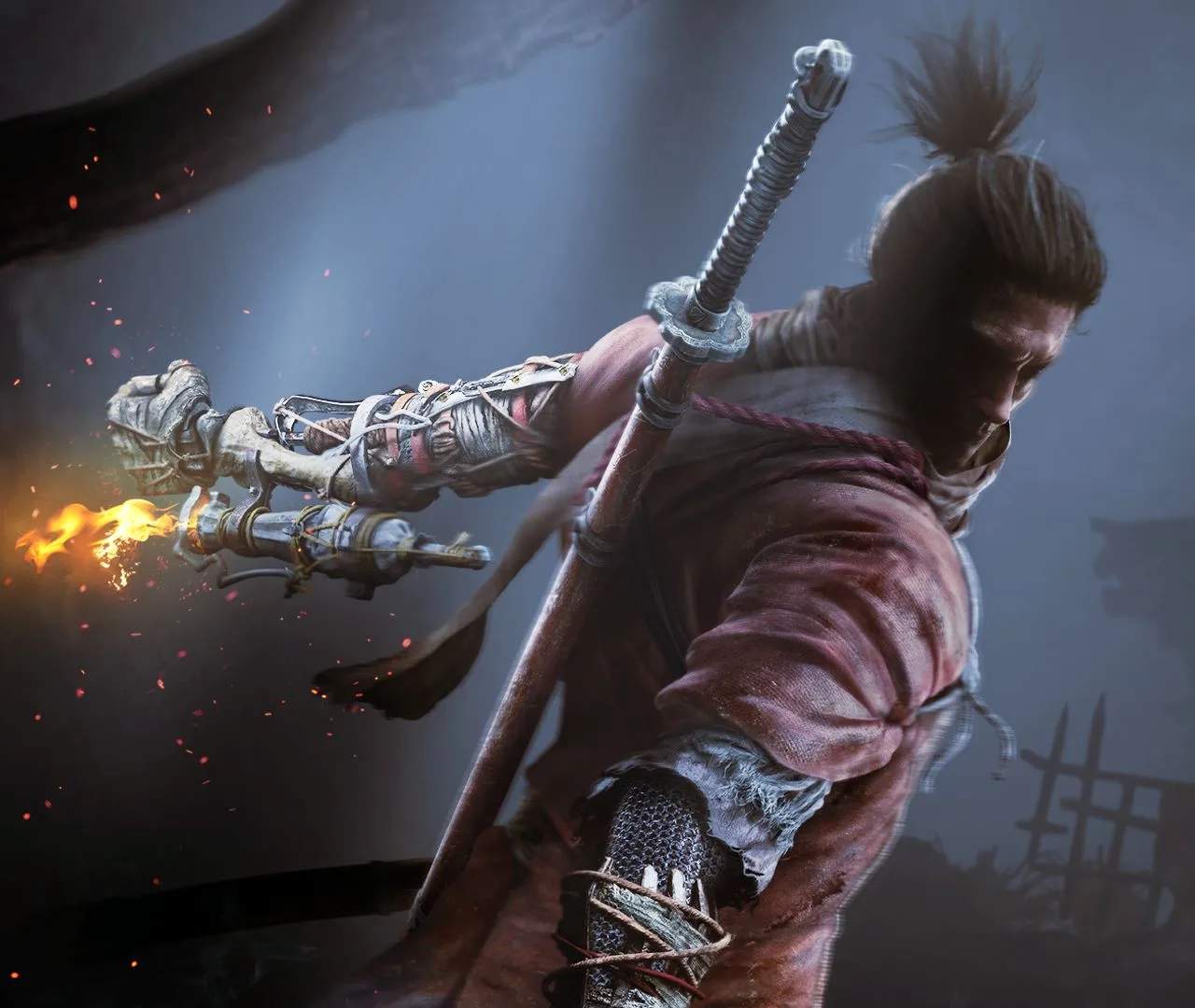
Combat Glossary
Mastering the intricacies of combat in Sekiro: Shadows Die Twice is paramount to survival. This glossary breaks down key mechanics, providing actionable strategies and insights to transform you from a fledgling shinobi into a formidable force. Understanding these terms and their applications will be your greatest weapon against the myriad threats of Ashina.
Posture System
Unlike traditional health bars, Sekiro heavily emphasizes the Posture system. Both Sekiro and his enemies have a Posture gauge that fills up as they block or deflect attacks. When this gauge is broken, it leaves the combatant vulnerable to a Shinobi Deathblow.
- Your Posture: Your Posture gauge is displayed at the bottom center of your HUD. It increases when you block attacks, and rapidly fills if you block a powerful attack or are hit directly. When full, your Posture breaks, leaving you open to enemy attacks.
- Enemy Posture: Enemy Posture gauges appear above their health bar. Filling this gauge is your primary objective. Different enemy types and attacks will affect their Posture differently.
- Strategies for Posture Breaking:
- Deflections (Parries): The most effective way to build enemy Posture. Timing your block just before an enemy attack lands will result in a satisfying 'clang' and a significant Posture hit to the enemy, while minimizing your own Posture damage.
- Attacking: Direct sword strikes deal both Vitality and Posture damage. Aggressive offense is often the best defense, as it prevents enemies from recovering their Posture.
- Combat Arts: Many Combat Arts, such as the Ichimonji or Ashina Cross, are excellent for dealing burst Posture damage. Experiment with different arts to find those that suit your playstyle and the enemy you're facing.
- Prosthetic Tools: Certain Prosthetic Tools are designed to inflict heavy Posture damage. The Loaded Axe is particularly effective against shielded enemies or those with high natural Posture. The Firecracker can stun beasts, allowing for free hits and Posture damage.
- Posture Recovery: Both you and enemies recover Posture over time. Aggression is key to preventing enemies from recovering. For Sekiro, holding the block button will accelerate Posture recovery, but leaves you vulnerable if an attack lands.
Shinobi Deathblow
The ultimate goal of most encounters. A Shinobi Deathblow is an instant kill or a significant chunk of damage against bosses, triggered when an enemy's Posture is broken or they are unaware of your presence.
- Execution: When an enemy's Posture is broken, a red kanji symbol will appear over their head. Approach them and press the attack button to execute a Deathblow.
- Stealth Deathblows: Approaching unaware enemies from behind, above, or from tall grass allows for a stealth Deathblow, instantly eliminating most standard enemies. This is crucial for thinning out groups before direct confrontation.
- Boss Deathblows: Bosses and mini-bosses often require multiple Deathblows to defeat. Each Deathblow removes a "red dot" from their health bar. Breaking their Posture repeatedly is the only way to achieve victory against these formidable foes.
Perilous Attacks
These are unblockable attacks telegraphed by a red kanji symbol appearing above Sekiro's head. Recognizing and reacting correctly to these attacks is vital.
- Thrust Attacks: Indicated by a straight, forward-moving red kanji. These are best countered with the Mikiri Counter skill. This skill, acquired early in the game, allows Sekiro to stomp on the enemy's thrusting weapon, dealing massive Posture damage. Practice this against the Undying Hanbei at the Dilapidated Temple.
- Sweep Attacks: Indicated by a curved, sweeping red kanji. These attacks must be jumped over. Pressing the jump button will allow Sekiro to avoid the sweep and often land a jump kick, dealing Posture damage.
- Grab Attacks: Indicated by a large, circular red kanji. These attacks cannot be blocked, deflected, or Mikiri Countered. The only way to avoid them is to dodge or run away. Timing is crucial, as many grab attacks have deceptive hitboxes.
Combat Arts
Special attacks that consume Spirit Emblems. These powerful techniques can turn the tide of battle, offering unique offensive and defensive capabilities.
- Acquisition: Combat Arts are unlocked through skill trees (e.g., Ashina Arts, Prosthetic Arts) or by defeating certain bosses and mini-bosses (e.g., Floating Passage from Lady Butterfly).
- Spirit Emblem Cost: Each Combat Art has a Spirit Emblem cost. Manage your emblems wisely; they can be found as drops from enemies, purchased from merchants like the Sculptor's Idol Memorial Mob, or by using items like the Bundled Jizo Statue.
- Strategic Use:
- Ichimonji/Ichimonji Double: Excellent for Posture damage and recovering your own Posture. Ideal for creating openings after a successful deflection chain.
- Ashina Cross: A quick, high-damage attack that can surprise enemies and deal significant Vitality and Posture damage.
- Whirlwind Slash: Good for crowd control against multiple weaker enemies.
- High Monk: Specifically designed to counter sweep attacks, dealing massive Posture damage upon a successful jump.
Prosthetic Tools
Sekiro's prosthetic arm can be equipped with various tools, each offering distinct advantages in combat. These also consume Spirit Emblems.
- Acquisition: Prosthetic Tools are found throughout the world as Prosthetic Tools items. For example, the Loaded Axe is found in the Hirata Estate, while the Flame Vent is located in the Ashina Outskirts. Bring these to the Sculptor at the Dilapidated Temple to have them installed.
- Upgrades: Tools can be upgraded using sen and materials like Scrap Iron, Gunpowder, and Fulminated Mercury. Upgrades enhance their effectiveness, add new properties, or reduce Spirit Emblem cost.
- Strategic Use:
- Shuriken: Useful for interrupting enemy attacks, dealing minor damage, or pulling individual enemies from a group. Upgraded versions like the Chasing Slice allow for a follow-up attack.
- Loaded Axe: Breaks enemy Posture quickly, especially against shielded foes. The Sparking Axe upgrade adds a fiery explosion.
- Flame Vent: Inflicts burn status, dealing damage over time and stunning certain enemies (especially red-eyed ones). Combine with Oil for increased effect.
- Loaded Spear: Can pull enemies towards you or rip armor off certain opponents. Essential for fighting enemies like the Armored Warrior.
- Mist Raven: A defensive tool that allows for a quick, evasive teleport. Excellent for escaping dangerous situations or repositioning.
- Divine Abduction: Turns enemies around, allowing for stealth Deathblows in direct combat.
- Sabimaru: Inflicts poison, effective against certain organic enemies like the Snake-Eyes mini-bosses.
Spirit Emblems
The resource used to activate Combat Arts and Prosthetic Tools. Managing your Spirit Emblems is a crucial aspect of Sekiro's combat.
- Maximum Capacity: Your maximum Spirit Emblem capacity increases as you progress through the game and defeat certain bosses.
- Replenishment:
- Enemy Drops: Many enemies drop Spirit Emblems upon defeat.
- Sculptor's Idol Memorial Mob: Can be purchased from merchants for Sen.
- Bundled Jizo Statue: A consumable item that grants 3 Spirit Emblems. Found as loot or purchased from merchants.
- Ceramic Shard: While not directly granting emblems, using this item to distract enemies can save emblems by allowing for stealth.
- Conservation: Avoid spamming Combat Arts and Prosthetic Tools. Use them strategically when they will have the most impact. Sometimes, a well-timed deflection is more effective and costs nothing.
Vitality and Health
While Posture is the primary focus, Vitality (health) still plays a role. Reducing an enemy's Vitality makes their Posture recover slower, making them easier to break.
- Sekiro's Vitality: Represented by the green bar at the bottom left of your HUD. Depleting this leads to death. Recover Vitality using Healing Gourds and Pellets.
- Enemy Vitality: The red bar above an enemy's Posture gauge. While not directly leading to a Deathblow, lower Vitality significantly impacts their Posture recovery rate.
- Strategies:
- Aggression: Consistent sword attacks deal both Vitality and Posture damage.
- Combat Arts/Prosthetic Tools: Some tools and arts are better for Vitality damage. The Mortal Blade Combat Art, for instance, deals immense Vitality damage.
- Status Effects: Burn and Poison inflict damage over time, slowly chipping away at enemy Vitality.