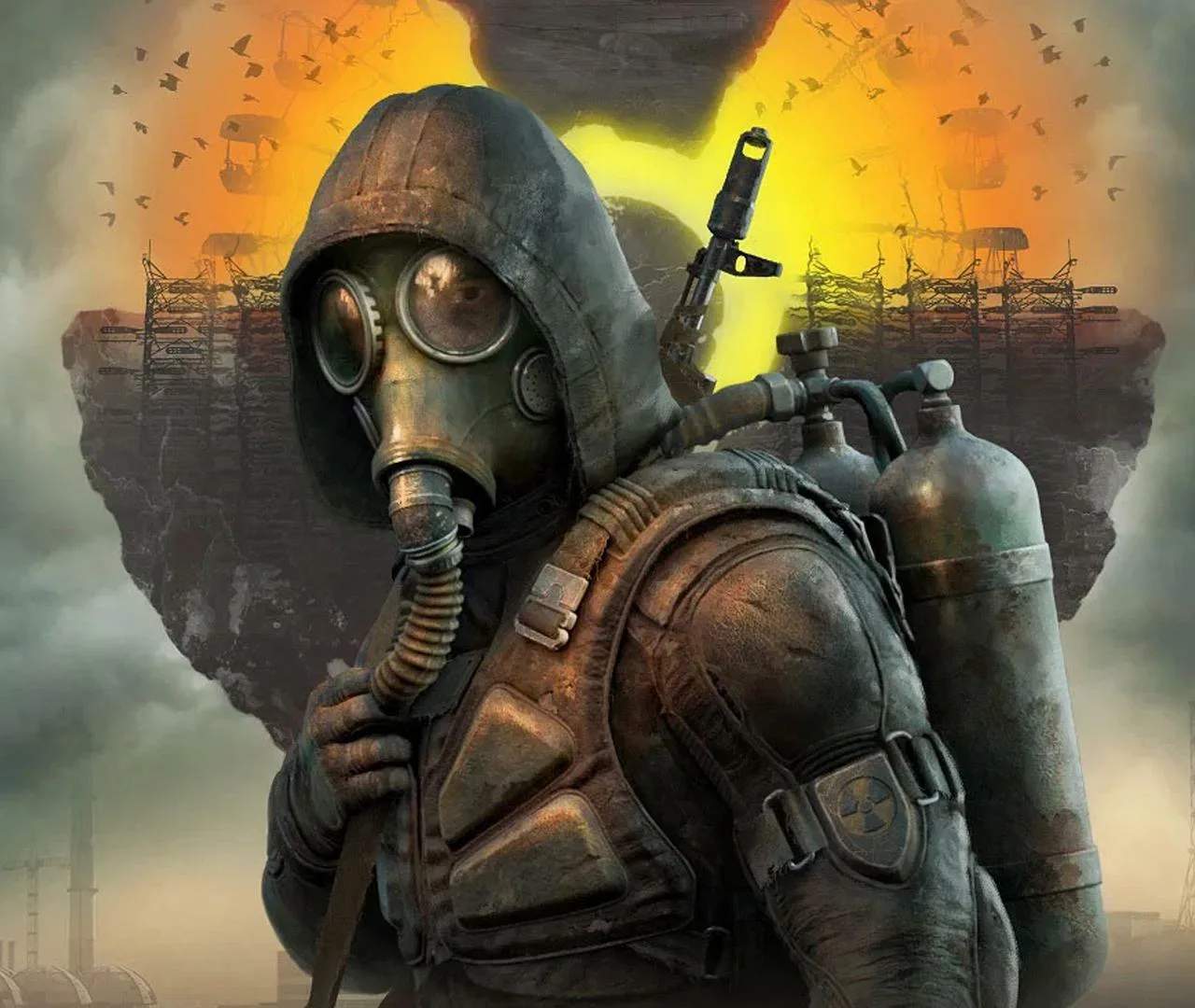
Protective Gear
In the unforgiving environment of S.T.A.L.K.E.R. 2: Heart of Chornobyl, protective gear is not a luxury but a necessity for survival. From the biting cold to the insidious radiation and the fangs of mutated beasts, your equipment is your first line of defense against the Zone's myriad threats.
The most common form of protective gear is armor, which comes in various tiers and types. Light Stalker suits offer basic protection against minor ballistic threats and environmental hazards, while heavier military-grade armor provides superior defense against gunfire but sificantly impacts mobility. Specialized suits, such as radiation suits, are crucial for navigating highly irradiated areas, offering protection against the deadly gamma radiation that can quickly deplete your health.
Beyond body armor, headwear is equally important. Helmets can protect your head from critical damage and often come with integrated features like night vision goggles (NVGs) or enhanced auditory sensors, which can be invaluable for scouting and combat in low-visibility conditions. Gas masks are essential for surviving areas filled with toxic gas or airborne anomalies, filtering out harmful substances.
Key Types of Protective Gear:
- Armor Suits: Ranging from light Stalker gear to heavy military exoskeletons, offering ballistic and anomaly protection.
- Helmets: Protect the head and can provide additional utility like NVGs.
- Gas Masks: Essential for surviving toxic environments and certain anomaly effects.
- Radiation Suits: Specifically desed to mitigate the effects of high radiation levels.
- Gloves: Offer minor protection and can sometimes improve grip or handling.
- Boots: Provide some protection and can affect movement speed and noise.
The effectiveness of your protective gear is often measured by its resistance stats. These include ballistic resistance (how well it stops bullets), anomaly resistance (how well it protects against environmental hazards), and radiation resistance. Higher resistance values mean greater survivability.
It's also important to maintain your gear. Armor and protective suits degrade over time with use and damage. Regular repairs at workbenches are crucial to ensure your gear remains effective. A damaged suit can leave you vulnerable at the worst possible moment. Always check the condition of your equipment before venturing into dangerous territory.