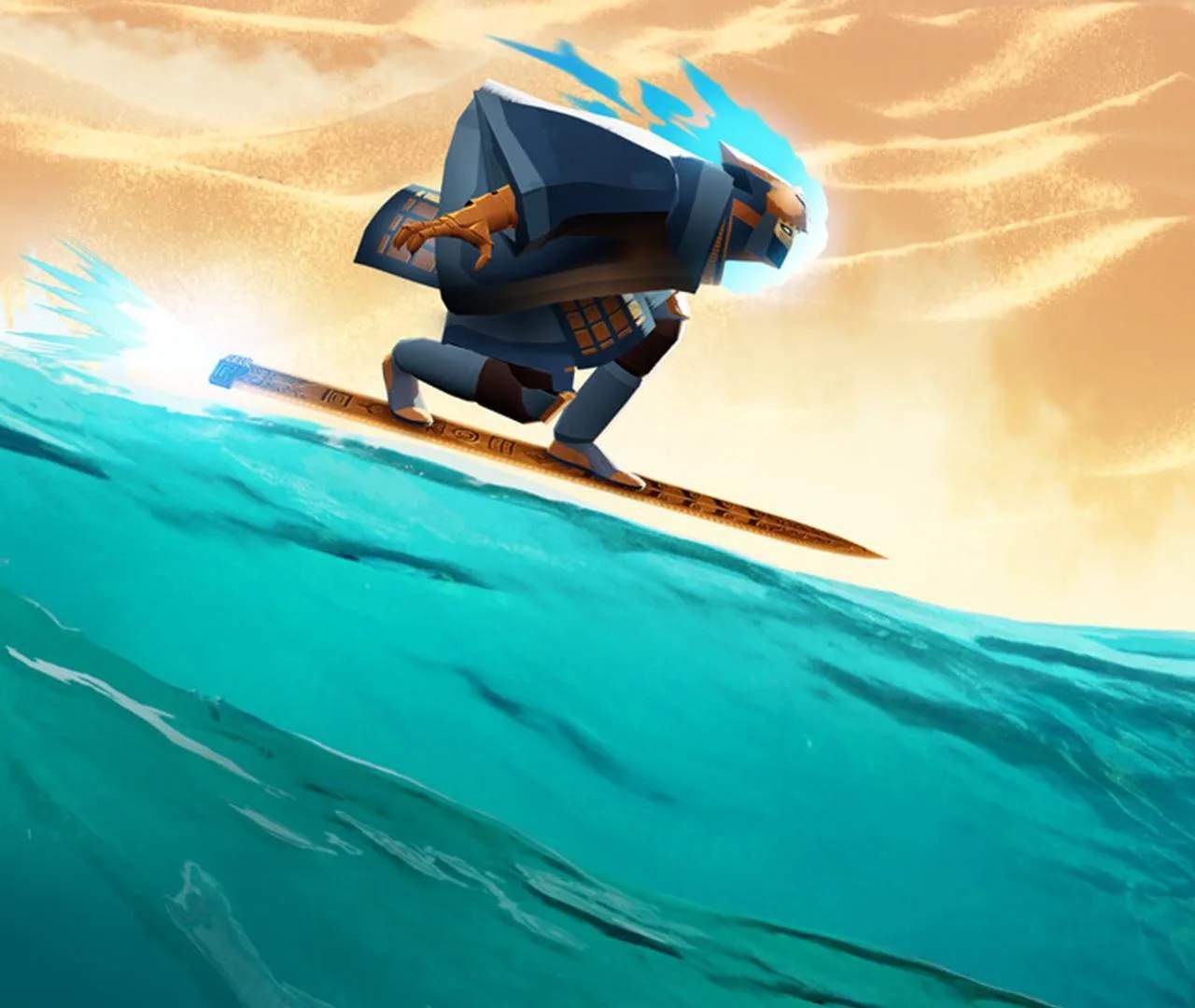
Player Character Archetypes
In Sword of the Sea, your player character can be shaped into various archetypes, each offering a distinct playstyle and approach to the challenges of the world. These archetypes are not rigid classes but rather flexible frameworks built upon your chosen race, attribute distribution, and skill progression.
Understanding these archetypes will help you define your character's role, whether you prefer to be a frontline warrior, a cunning rogue, a powerful mage, or a versatile jack-of-all-trades. This section explores common archetypes and how to build towards them.
Defining Archetypes
Archetypes represent a character's primary focus and combat style. While many characters can blend elements, specializing in one archetype often leads to the most effective builds.
- The Warrior: A master of close-quarters combat, relying on strength, endurance, and heavy armor. They excel at taking and dealing damage directly.
- The Rogue: Focuses on stealth, precision, and exploiting enemy weaknesses. They utilize agility, cunning, and often employ daggers, bows, or firearms for quick, deadly strikes.
- The Mage: Wields arcane, elemental, or divine magic to control the battlefield, deal area-of-effect damage, or debuff enemies. They often rely on intelligence and wisdom.
- The Ranger/Hunter: Combines ranged combat prowess with survival skills and a connection to nature. They are adept at tracking, archery, and sometimes taming beasts.
- The Bard/Diplomat: Focuses on social skills, persuasion, and support abilities. While not always a direct combatant, they can influence outcomes through dialogue and buffs.
- The Hybrid: Characters that blend elements of multiple archetypes, such as a spellsword (Warrior/Mage) or a battlemage (Warrior/Mage).
Building Your Archetype
Your character's archetype is shaped by several key factors:
- Race: As discussed in Race Selection, your chosen race provides inherent bonuses that can steer you towards certain archetypes. For example, an Orc might naturally lean towards a Warrior build, while an Elf might excel as a Ranger.
- Attribute Points: The core stats (Strength, Dexterity, Constitution, Intelligence, Wisdom, Charisma) are fundamental. Investing heavily in Strength and Constitution supports a Warrior, while Dexterity and Intelligence are key for Rogues and Mages, respectively.
- Skill Trees and Abilities: The game's skill system is where you truly define your archetype. Investing points into specific skill trees (e.g., Melee Combat, Archery, Arcane Magic, Stealth) will unlock abilities that solidify your chosen playstyle.
- Equipment: The weapons and armor you equip are critical. Heavy armor and two-handed weapons suit a Warrior, while light armor and daggers are ideal for a Rogue.
Example Archetype Paths
Here are a few examples of how you might build towards specific archetypes:
- The Stalwart Warrior:
- Race: Human or Orc
- Attributes: Prioritize Strength and Constitution.
- Skills: Focus on Melee Combat (Swords, Axes, Shields), Heavy Armor, and Block/Parry.
- Equipment: Plate armor, large swords, maces, or axes.
- The Shadowy Assassin:
- Race: Elf or Human
- Attributes: Prioritize Dexterity and Intelligence (for poisons/traps).
- Skills: Focus on Daggers, Stealth, Lockpicking, Alchemy (for poisons), and Light Armor.
- Equipment: Daggers, throwing knives, light armor, poisons.
- The Arcane Sorcerer:
- Race: Human or Gnome
- Attributes: Prioritize Intelligence and Wisdom.
- Skills: Focus on Arcane Magic (Fire, Frost, Lightning), Staff Combat, and Cloth Armor.
- Equipment: Staves, robes, enchanted amulets.
Remember that Sword of the Sea often allows for flexibility. You can experiment with hybrid builds, but understanding the core archetypes provides a solid foundation for creating a character that perfectly suits your desired adventure.