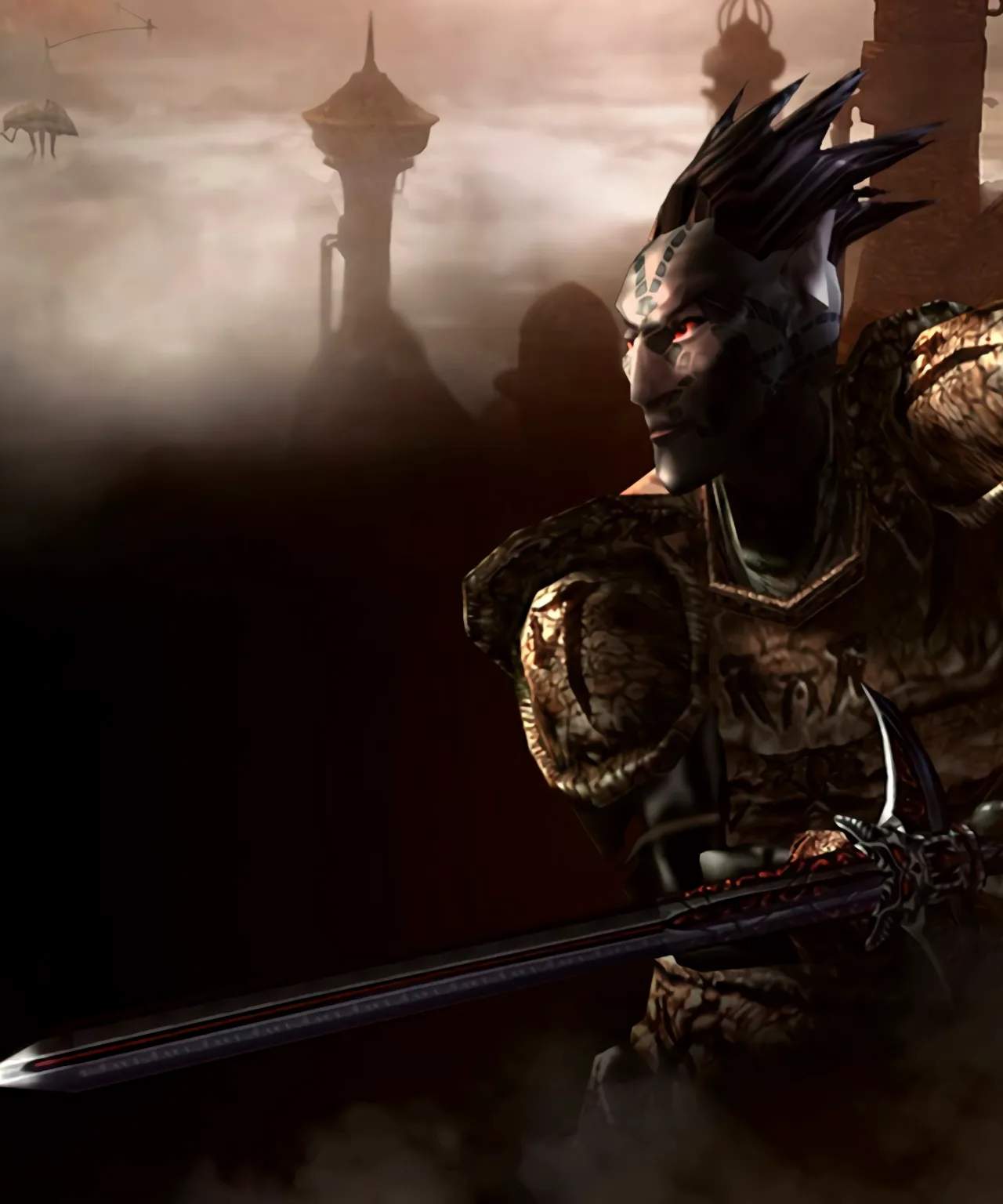
Non-Player Characters (NPCs) and companions are integral to the world of Morrowind, offering quests, services, and sometimes, invaluable assistance. While Morrowind doesn't feature traditional party-based companions like some other RPGs, certain NPCs can accompany you or provide unique benefits. Understanding their roles and how to interact with them is key to navigating Vvardenfell.
Types of NPCs
Morrowind is populated by a diverse cast of NPCs, each with their own roles:
- Merchants: Offer goods and services, essential for acquiring supplies and selling loot.
- Quest Givers: Provide tasks and objectives that drive the narrative and offer rewards.
- Trainers: Allow you to improve your skills for a fee.
- Innkeepers: Offer resting services to restore Health, Magicka, and Fatigue.
- Guards: Will intervene if you commit crimes, and can be a source of information.
- Faction Members: Belonging to factions grants access to specific NPCs who offer quests and training.
Companionship in Morrowind
Unlike many RPGs, Morrowind does not feature a persistent party system where you recruit multiple companions to fight alongside you. However, there are instances where NPCs can accompany you:
- Quest-Specific Allies: During certain quests, you may be temporarily accompanied by an NPC who assists you in combat or provides dialogue. These alliances are usually short-lived and tied to specific objectives.
- Summoned Creatures: Mages can summon Daedra or undead creatures using spells. These summoned allies act as temporary companions and can be very effective in combat.
- Hirelings (Limited): In some rare cases, you might be able to hire temporary help, though these are not traditional companions.
Interaction and Disposition
Your interactions with NPCs are influenced by several factors:
- Disposition: This represents an NPC's general attitude towards you. You can improve disposition through dialogue options (Persuade, Intimidate) or by paying them. Higher disposition generally leads to better prices from merchants and more willingness to help from quest givers.
- Speechcraft: This skill directly impacts the success rate of your persuasion and intimidation attempts.
- Reputation: Your overall reputation, influenced by your actions and faction standings, can affect how NPCs perceive you.
Key NPCs and Factions
Interacting with key NPCs within factions is crucial for progression:
- Great Houses: Leaders and members of House Hlaalu, Redoran, and Telvanni offer unique questlines and advancement opportunities.
- Guilds: The Fighters Guild, Mages Guild, and Thieves Guild have distinct questlines and NPCs who serve as mentors and quest givers.
- Imperial Cult and Legion: These factions offer their own sets of quests and unique characters.
While direct companionship is limited, the NPCs of Morrowind are vital to the game's immersive experience, providing the challenges, services, and narrative threads that define your journey.