Understand Twin Mirror's metaphorical creatures within the Mind Palace. Learn how these psychological manifestations represent Sam's internal struggles.
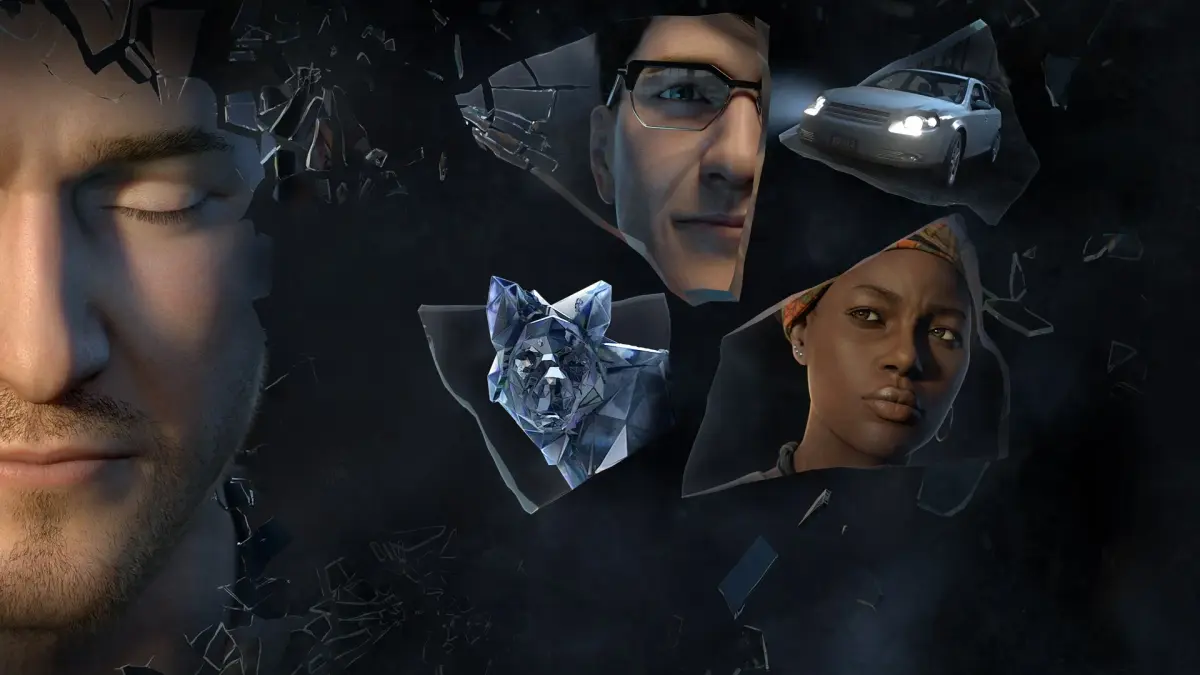
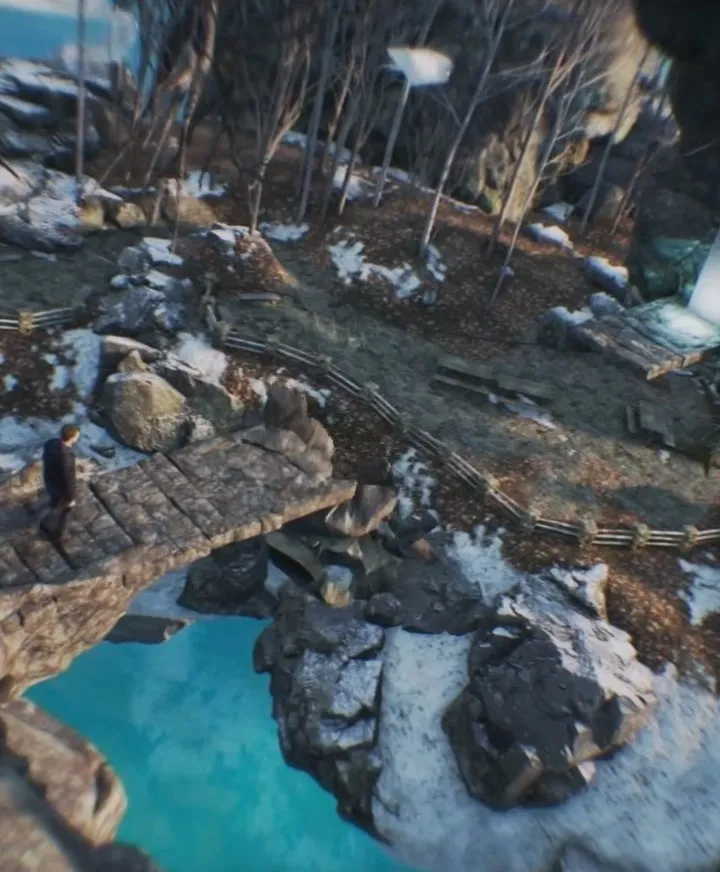
While Twin Mirror is primarily a psychological thriller and not a creature-feature, the game masterfully uses metaphorical "creatures" within Sam Higgs's Mind Palace and his perceptions of reality to represent his internal struggles, anxieties, and the fragmented nature of his memories. These aren't physical entities to fight, but rather psychological manifestations that require understanding, introspection, and often, specific investigative actions to overcome or integrate.
The Mind Palace's Shadows
These shadowy figures are perhaps the most common "creatures" Sam encounters. They represent his repressed memories, guilt, and the unknown aspects of the accident that led to his return to Basswood. They are not hostile in a physical sense, but their presence can be disorienting and obstruct Sam's progress in reconstructing events.
- Appearance: Vague, humanoid silhouettes, often appearing in peripheral vision or as fleeting distortions in the Mind Palace environment. They sometimes manifest as whispers or indistinct sounds.
- Location: Primarily within the Mind Palace during reconstruction sequences. They are particularly prevalent in areas related to traumatic or forgotten events, such as the crash site or the moments leading up to it.
- Strategy:
- Observation: Pay close attention to environmental cues. Shadows often cluster around key objects or interactions that hold significant emotional weight for Sam.
- Interaction (Mind Palace): Within the Mind Palace, these shadows cannot be directly interacted with. Instead, Sam must focus on completing the memory reconstruction. Each successful deduction or placement of a memory fragment will cause some shadows to dissipate or recede.
- Truth Seeking: The ultimate way to banish these shadows is to uncover the full truth of the events. This involves examining all available clues in the real world and making correct deductions in the Mind Palace. For example, during the initial crash reconstruction, finding the Broken Headlight near the cliff edge and the Skid Marks on the road will help clarify the sequence of events, causing the surrounding shadows to fade.
- Confrontation (Metaphorical): As Sam comes to terms with difficult truths, the shadows lose their power. This is less about a direct confrontation and more about psychological acceptance.
The Inner Critic (The Double)
While not a "creature" in the traditional sense, Sam's "Double" or Inner Critic functions as a constant, often antagonistic, presence that can be considered a psychological entity. He embodies Sam's self-doubt, cynicism, and analytical detachment, sometimes hindering Sam's emotional connection to others or pushing him towards purely logical, yet sometimes flawed, conclusions.
- Appearance: Identical to Sam, but often appearing more composed, detached, and sometimes with a slightly mocking or critical demeanor. He is always impeccably dressed.
- Location: Appears in both the Mind Palace and Sam's perception of the real world, often as a projection or a voice in Sam's head. He is most prominent during critical decision-making moments or when Sam is struggling with emotional conflict.
- Strategy:
- Listen and Evaluate: The Double's advice isn't always wrong, but it's always from a purely logical, often cold, perspective. Listen to his arguments, but critically evaluate them against your own intuition and emotional understanding of the situation.
- Emotional Connection: To "overcome" the Double's more negative influences, Sam often needs to choose options that prioritize empathy, personal connection, or emotional honesty over pure logic. For instance, when deciding how to speak with Anna, the Double might suggest a detached, factual approach, but choosing a more compassionate dialogue option can strengthen Sam's bonds and lead to better outcomes.
- Self-Acceptance: The Double is a part of Sam. The goal isn't to eliminate him, but to find a balance. Recognizing his role as a protective mechanism, even if flawed, is key. As the story progresses, Sam learns to integrate the Double's analytical strengths without letting him dominate his emotional life.
- Key Choices: Certain pivotal choices in the narrative will directly reflect Sam's reliance on or defiance of the Double's counsel. These choices often involve trusting others, revealing vulnerabilities, or pursuing emotional truths rather than just facts.
Memory Fragments (The "Whispers")
These are not creatures but rather fleeting, auditory or visual glitches that represent incomplete or distorted memories. They are less defined than the Mind Palace's Shadows but serve a similar purpose: indicating gaps in Sam's understanding.
- Appearance: Brief flashes of images, distorted sounds, or indistinct whispers that appear and disappear quickly. They are often accompanied by a subtle visual distortion on screen.
- Location: Can occur anywhere, both in the real world (as Sam processes information) and more frequently within the Mind Palace. They are particularly common when Sam interacts with an object or person that triggers a partial memory.
- Strategy:
- Investigate Thoroughly: When you encounter a Memory Fragment, it's a strong indicator that there's more to uncover in that specific area or about that particular subject. Re-examine the environment, look for overlooked clues, or engage in further dialogue.
- Mind Palace Activation: Often, collecting enough real-world clues will trigger a full Mind Palace reconstruction sequence where these fragments can be properly placed and understood. For example, finding the Scratched Photo in Sam's apartment might initially trigger a fragment, but combining it with other clues will allow for a full memory reconstruction.
- Patience: Some fragments won't make sense until much later in the game when more context is available. Don't get stuck trying to decipher every single one immediately. Trust that the narrative will provide the necessary pieces.
100% Human-Written. AI Fact-Checked. Community Verified. Learn how AntMag verifies content