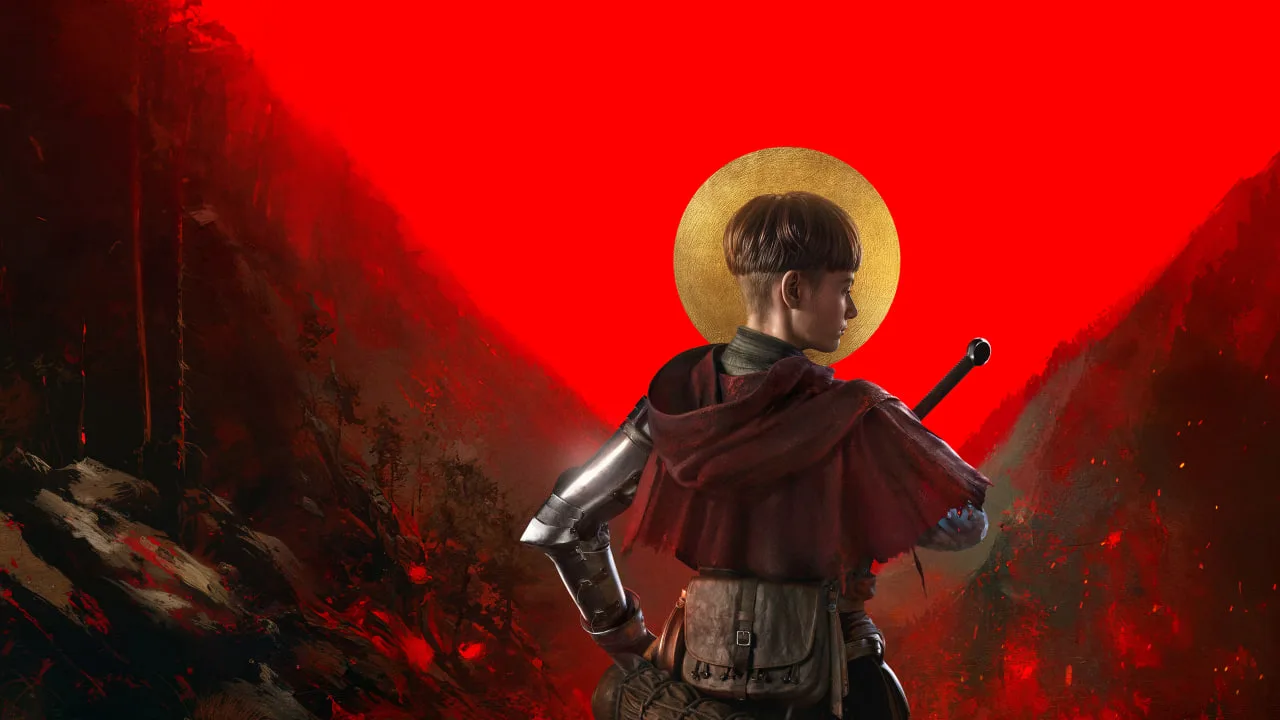
Optimize your display and graphics settings in 1384 Ex Voto on PC. Adjust resolution, textures, and shadows for the best visual experience.
Optimizing your display and graphics settings in 1384 Ex Voto on PC is paramount to achieving a visually stunning and fluid gameplay experience. The game is expected to offer a wide array of options, allowing players to fine-tune everything from resolution and refresh rate to intricate graphical details like texture quality, shadow rendering, and anti-aliasing. The goal is to strike a balance between visual fidelity and performance, ensuring that your frame rate remains stable even during the most chaotic combat encounters. Understanding the impact of each setting will empower you to make informed decisions, whether you're aiming for the highest possible graphical fidelity on a powerful rig or striving for smooth performance on more modest hardware.
Before diving into the specific settings, it's crucial to ensure your graphics drivers are up-to-date. Outdated drivers are a common cause of performance issues and graphical glitches. Visit the website of your graphics card manufacturer (NVIDIA, AMD, or Intel) and download the latest drivers for your specific model. Additionally, closing unnecessary background applications before launching the game can free up system resources, contributing to a smoother experience. The following sections will break down the key display and graphics options available, providing guidance on their impact and recommended configurations for various scenarios. Experimentation is key, and finding your personal sweet spot will greatly enhance your enjoyment of 1384 Ex Voto.
Resolution and Display Mode
The Resolution setting determines the number of pixels displayed on your screen, directly impacting image sharpness. For the best visual clarity, select your monitor's native resolution (e.g., 1920x1080 for a 1080p monitor, 3840x2160 for a 4K monitor). Lowering the resolution can significantly boost performance but will result in a less sharp image. Display Mode typically offers options like Fullscreen, Windowed, and Borderless Windowed. Fullscreen mode generally provides the best performance as it dedicates all system resources to the game. Windowed mode allows you to easily alt-tab but can incur a performance penalty. Borderless Windowed offers the convenience of windowed mode without the visual borders, often with a minimal performance impact compared to true fullscreen. For competitive play or maximum performance, Fullscreen is usually the preferred choice.
Graphical Presets and Individual Settings
1384 Ex Voto will likely feature several Graphical Presets, such as Low, Medium, High, and Ultra. These presets adjust multiple individual graphics settings simultaneously, offering a quick way to find a good starting point. For instance, the "Ultra" preset will push settings like Texture Quality, Shadow Quality, Ambient Occlusion, and Anti-Aliasing to their highest levels, demanding the most from your hardware. Conversely, the "Low" preset will reduce these settings to improve performance. Beyond presets, you can manually adjust individual settings. Texture Quality affects the detail of surfaces; higher settings require more VRAM. Shadow Quality impacts the realism and softness of shadows, often a significant performance drain. Anti-Aliasing (AA) smooths jagged edges on objects, with options like FXAA (less demanding, can blur image) and TAA (more demanding, better quality) being common. Experimenting with these individual settings allows for granular control over your visual experience and performance.
Advanced Graphics Options
Beyond the standard settings, 1384 Ex Voto may include advanced options for further customization. Ambient Occlusion (AO) adds depth by simulating how light is blocked in crevices and corners, enhancing realism but impacting performance. Screen Space Reflections (SSR) add realistic reflections on surfaces, which can be visually striking but resource-intensive. Volumetric Lighting simulates how light interacts with fog or smoke, adding atmospheric depth. Motion Blur can be enabled or disabled to reduce perceived choppiness during fast movement, though some players find it disorienting. Field of View (FOV) allows you to adjust how much of the game world is visible on screen; a wider FOV can improve situational awareness but may slightly decrease performance. Carefully consider the visual impact versus the performance cost of these advanced features when configuring your game.
100% Human-Written. AI Fact-Checked. Community Verified. Learn how AntMag verifies content