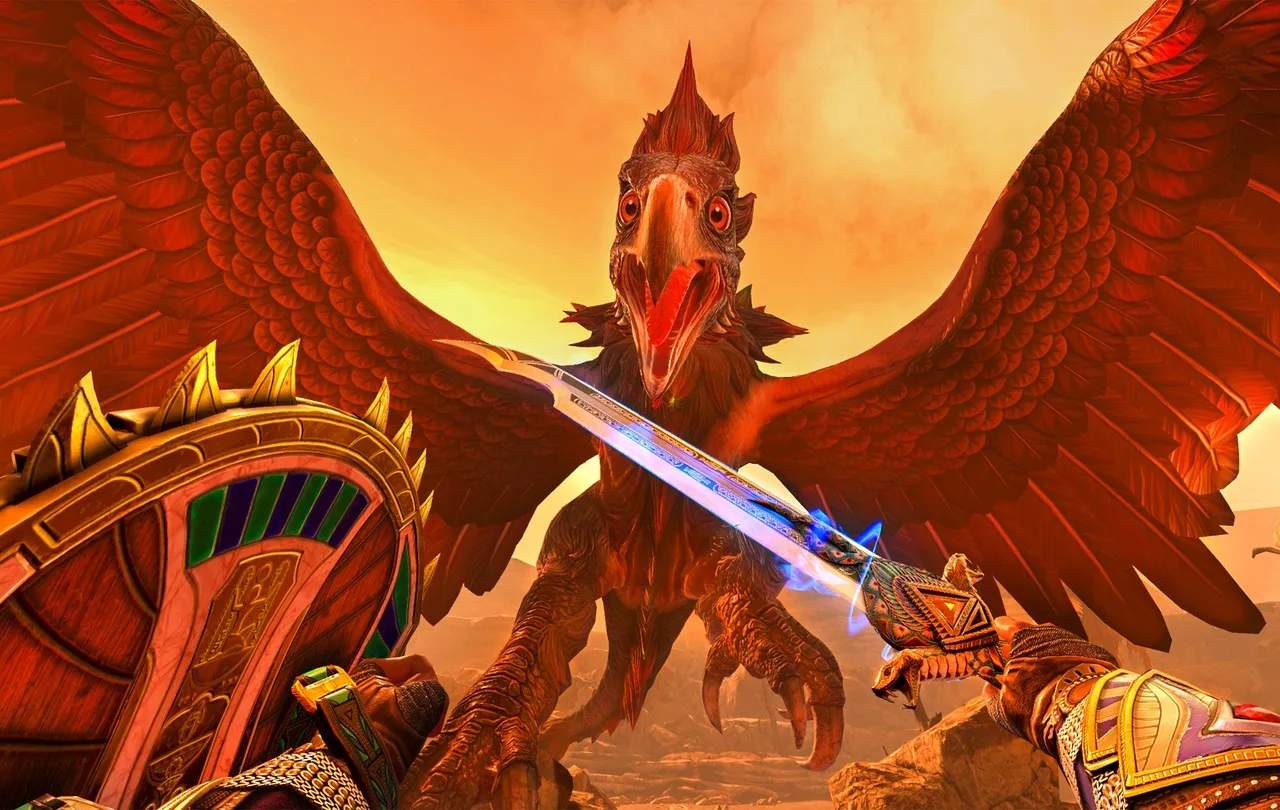
Game Mechanics Overview
Welcome, brave Guardian, to the comprehensive guide to the core mechanics of Asgard's Wrath 2. Mastering these systems is crucial for navigating the treacherous realms, conquering formidable foes, and ultimately fulfilling your destiny. This section breaks down combat, exploration, progression, and companion management into actionable strategies.
Combat System: The Dance of Blades and Beasts
Combat in Asgard's Wrath 2 is a dynamic blend of visceral melee, powerful magic, and strategic companion abilities. Understanding its nuances is key to survival.
Melee Combat Fundamentals
- Weapon Variety: You'll primarily wield a combination of a primary weapon (e.g., the Guardian's Axe or Serpent Blade) and a shield. Experiment with different weapon types found throughout the realms, such as the Desert Scythe from the Sands of Sekhmet, to find what suits your playstyle.
- Parrying and Blocking: These are your first lines of defense. Observe enemy attack patterns. A successful parry (timing your shield block just before an incoming attack) will often stun smaller enemies, opening them up for a devastating counter-attack. Blocking reduces incoming damage significantly but can still deplete your stamina.
- Dodging and Rolling: For unblockable attacks or to reposition, utilize your dodge roll. This provides a brief window of invincibility. Practice dodging through enemy attacks to get behind them for critical strikes.
- Heavy and Light Attacks: Combine light attacks for quick damage and to build up your combo meter, and heavy attacks to break enemy guards or deal significant burst damage. Charged heavy attacks often have unique properties, like the Axe Throw ability, which can interrupt distant enemies or retrieve items.
Magical Abilities and Runes
- Runic Attacks: As you progress, you'll unlock various runic attacks, powerful special abilities tied to your weapons. These consume a resource (often called "Wrath" or "Fury") and can turn the tide of battle. For example, the "Blazing Fury" Runic Attack can be found early in the Realm of the Great River and unleashes a wave of fire.
- Elemental Affinities: Certain enemies are vulnerable to specific elemental damage. Pay attention to enemy visual cues (e.g., icy enemies might be weak to fire). Equip weapons or apply runes that exploit these weaknesses for increased damage.
Strategic Combat Tips
- Prioritize Threats: In encounters with multiple enemies, identify and eliminate ranged attackers or healers first. For instance, in the Sunken City of Khem, always take out the Acolyte Shamans before engaging the larger Stone Golems.
- Utilize Environmental Hazards: Look for opportunities to use the environment to your advantage. Lure enemies near explosive barrels or off ledges.
- Stamina Management: Every action – attacking, blocking, dodging – consumes stamina. Don't overcommit to attacks, leaving yourself vulnerable with an empty stamina bar.
Exploration and World Interaction
The realms of Asgard's Wrath 2 are vast and filled with secrets. Effective exploration is rewarded with valuable resources, lore, and powerful gear.
Navigating the Realms
- God Form vs. Mortal Form: You can switch between your colossal God Form and your agile Mortal Form. God Form is used for large-scale environmental puzzles, moving massive objects, or traversing vast distances. Mortal Form is for detailed exploration, combat, and interacting with smaller objects. Remember to use your God Form to smash through the "Ancient Stone Walls" found in the Oasis of the Forgotten.
- Traversal Abilities: As you progress, you'll unlock new traversal abilities, such as the "Grapple Hook" found after defeating the Sand Serpent Guardian in the Dunes of Despair. These are essential for reaching hidden areas and solving movement puzzles.
- Map and Waypoints: Regularly consult your map. It highlights points of interest, quest markers, and discovered secrets. Set custom waypoints to mark areas you want to revisit.
Resource Gathering and Crafting
- Materials: Throughout your journey, you'll collect various crafting materials like "Obsidian Shards," "Celestial Dust," and "Ancient Relics." These are crucial for upgrading your gear and crafting new items at "The Forge of the Gods" in the central hub.
- Chests and Lore Scrolls: Keep an eye out for hidden chests containing gear, currency, and rare materials. Lore scrolls provide valuable backstory and often hint at hidden areas or puzzle solutions. The "Whispering Scrolls of Thoth", often found near ancient ruins in the Riverlands, are particularly insightful.
Progression and Character Development
Your Guardian will grow stronger with each challenge overcome. Understanding the progression systems is vital for optimizing your build.
Skill Tree and Abilities
- Skill Points: Earned by defeating enemies, completing quests, and discovering secrets. Invest these points into your skill tree to unlock new active abilities, passive bonuses, and enhance existing skills. Prioritize skills that complement your preferred combat style. For example, if you favor axe combat, invest in the "Whirlwind Axe" branch.
- Guardian Aspects: As you progress, you'll unlock different Guardian Aspects, each offering unique stat bonuses and playstyle shifts. Experiment with these to find the one that best suits the current challenge.
Gear and Upgrades
- Weapon and Armor Tiers: Gear comes in various tiers (e.g., Common, Rare, Epic, Legendary). Higher-tier gear offers better stats and often unique perks.
- Enchantments and Runes: Weapons and armor can be enchanted with runes to grant additional bonuses, such as increased critical hit chance or elemental resistance. Collect and experiment with different rune combinations. The "Rune of Protection" is a common early-game find that significantly boosts defense.
- Upgrading at the Forge: Visit "The Forge of the Gods" to upgrade your weapons and armor using collected materials. Upgrading significantly increases their effectiveness. Prioritize upgrading your primary weapon and armor pieces that offer crucial defensive stats.
Companion Management: Your Loyal Allies
You won't face the dangers of the realms alone. Your loyal animal companions are invaluable in both combat and exploration.
Companion Abilities and Roles
- Unique Skills: Each companion possesses unique abilities. For example, the "Feline Companion" (often encountered early in the Desert Oasis) can squeeze through small gaps to retrieve items or activate distant mechanisms. The "Crocodile Companion", found later in the Swamps of Anubis, is excellent for pulling heavy objects or creating bridges.
- Combat Support: Companions actively participate in combat, drawing enemy aggro, dealing damage, or providing crowd control. You can issue basic commands to them during battle.
Companion Progression
- Bonding and Upgrades: As you spend time with your companions and complete their specific side quests, your bond with them strengthens, unlocking new abilities and improving their effectiveness.
- Companion Gear: Some companions can be equipped with special gear that enhances their stats or grants them new passive abilities. Look for "Companion Charms" in hidden chests.
Strategic Companion Use
Always consider which companion is best suited for the task at hand. For navigating complex environmental puzzles, the agility of your feline friend might be more useful than the brute strength of a larger companion. In combat, choose a companion whose abilities complement your own playstyle and the enemy types you're facing.