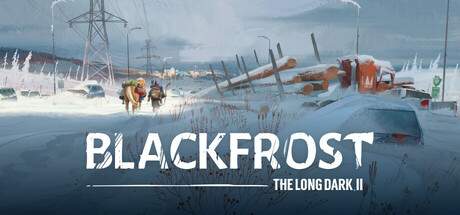
Hunting is a vital source of sustenance and valuable resources in Blackfrost: The Long Dark II, but success requires more than just a rifle and a prayer. Identifying and exploiting hunting hotspots – areas where specific types of wildlife are more frequently encountered – can significantly improve your efficiency and safety. These locations are often influenced by factors such as water sources, food availability, and natural cover, making them prime spots for both predators and prey. Mastering the art of hunting in these areas is key to securing a steady supply of meat, hides, and furs, essential for long-term survival.
The types of animals you'll encounter will vary depending on the region, and each presents its own set of challenges and rewards. Deer are a common source of meat and hide, while wolves and bears are dangerous but offer valuable pelts and a significant amount of food. Understanding the behavior of these animals, their preferred habitats, and the best times to hunt them is crucial. This section will guide you towards the most productive hunting grounds, offering tips on tracking, stalking, and engaging your prey safely and effectively, ensuring you can fill your larder and craft the gear you need to survive the long, cold nights.
Prime Hunting Hotspots:
- Near Water Sources: Rivers, lakes, and frozen streams often attract deer and other herbivores.
- Forest Edges: The transition zones between dense woods and open areas are common hunting grounds for deer.
- Rocky Outcrops: These areas can provide vantage points for spotting prey and sometimes offer shelter for predators like wolves.
- Open Fields/Meadows: Ideal for spotting larger game from a distance, but also expose you to predators.
- Areas with Abundant Vegetation: Where food is plentiful, animals are more likely to congregate.